
Why Your Martial Arts Club Needs More Than a Standard Business Policy
The Specific Risks That Require Specialist Understanding
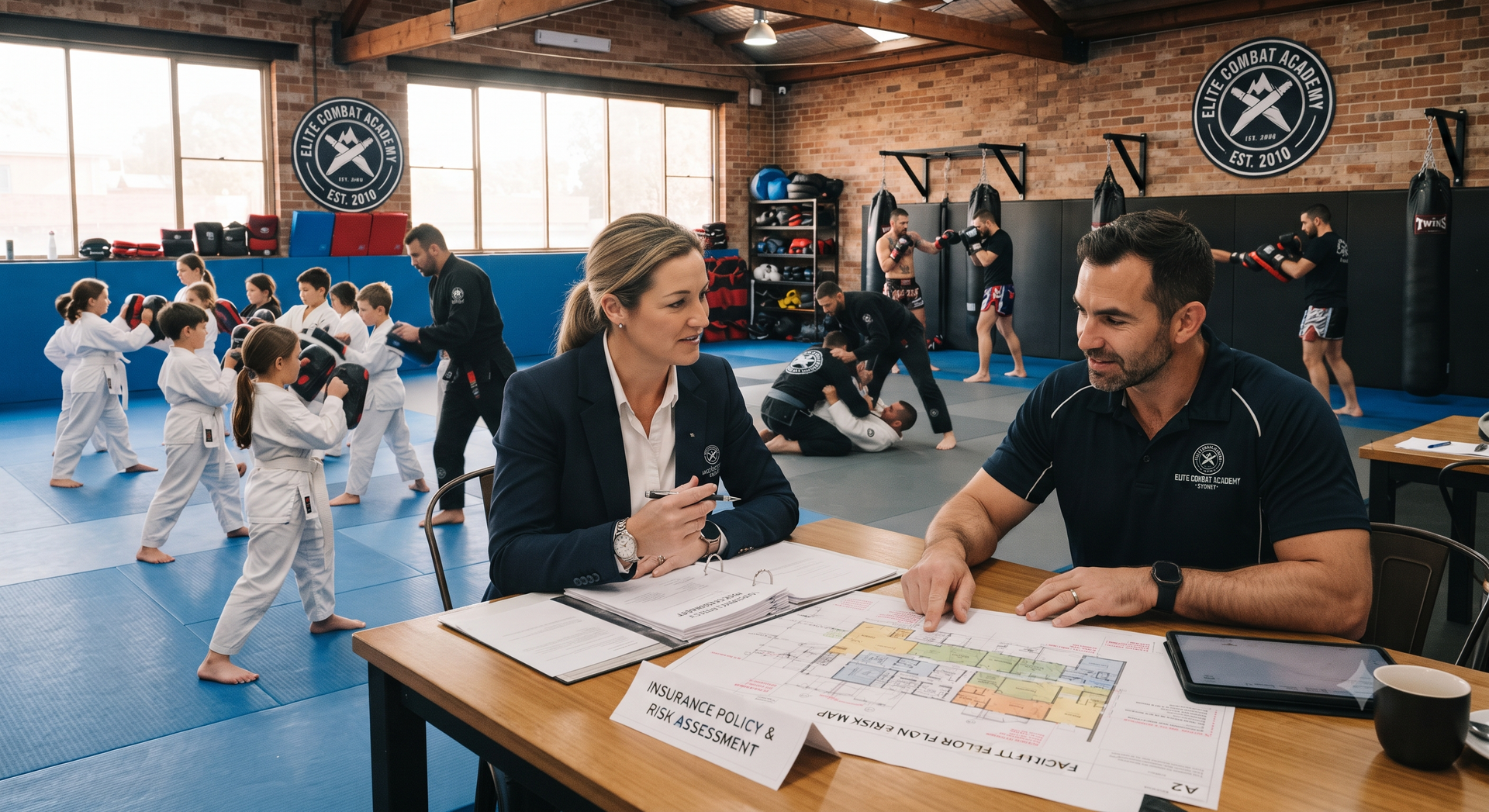
We have been arranging insurance for martial arts clubs for over two decades, and in that time the single most consistent thing we have seen is the gap between what a standard business policy is designed to cover and what actually happens in a martial arts school on a normal training night.
A standard business policy is designed for businesses where the primary risk is property-related — theft, fire, damage to stock or equipment. The risk of one person deliberately striking another, or deliberately attempting to throw another to the ground, in a controlled but genuinely contact-based training environment is not something a standard commercial policy was built to price or cover.
The Contact Activities Difference
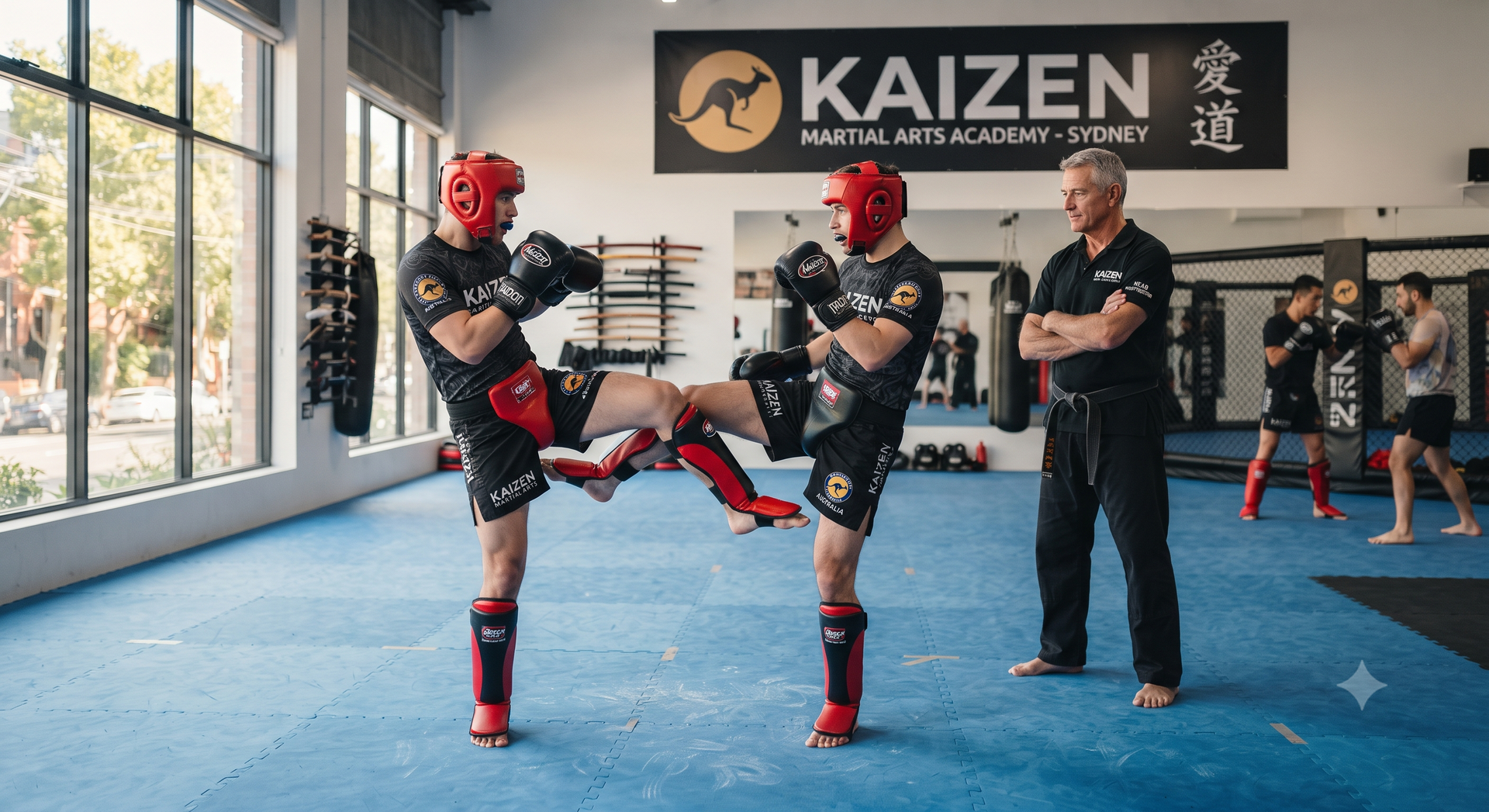
When we arrange insurance for a martial arts club, one of the first conversations we have is about what actually happens in your classes. Not "do you teach martial arts" but: what styles, what contact levels, what partner activities, what equipment, what student demographics. A school teaching traditional kata-based Shotokan with controlled, non-contact kumite has a different risk profile to one running full-contact Kyokushin tournaments. A BJJ club with competitive grapplers has different exposures to a Tai Chi class serving a senior demographic.
These differences matter to insurers, and getting them accurately declared from the outset is what produces a policy that actually responds when something happens rather than one that creates a dispute about whether the specific activity was covered.
The Home and Hall Operator
A significant proportion of martial arts instructors in Australia teach from community halls, school gymnasiums, or home-based setups rather than from dedicated commercial premises. The insurance implications of each of these settings are different from each other and different from a commercial lease situation.
A hall hire insurance requirement the venue asking you to provide evidence of your own Public Liability before they let you use the space — is standard and straightforward to address with the right policy. The question is whether your policy is structured to work in this way: providing cover for your activities in the venue rather than being tied to a fixed address that isn't where you actually teach.
We are familiar with every operating model common in the Australian martial arts industry because we have worked with them all. That familiarity is what makes the conversations we have with clients genuinely useful.
Where a Standard Policy Actually Falls Short
It is worth being specific about the mechanics of this, because "it doesn't cover contact" is often said without much explanation of what that means in practice. A general liability wording written for a retail shop or an office tenancy typically assumes that any injury to a third party is accidental and unwanted by both parties a customer slipping on a wet floor, a falling shelf. The insurer has priced the policy on that assumption.
Martial arts training does not fit that assumption. Sparring, grappling, throwing, and controlled striking are activities where physical contact is the deliberate and expected content of the exercise, not an unwanted accident. Some general liability wordings specifically exclude injury arising from an activity involving physical contact between participants unless that activity has been declared and accepted by the insurer. A club that has taken out a generic small business policy without a specific martial arts or contact-activities declaration may find, at the point of a claim, that the injury falls squarely within an exclusion the policy holder never read closely enough to notice.
This is not a hypothetical risk. It is the most common reason we see martial arts businesses discover — usually at the worst possible time — that the policy they believed protected them does not respond to the claim in front of them.
Professional Indemnity: The Cover Owners Often Forget
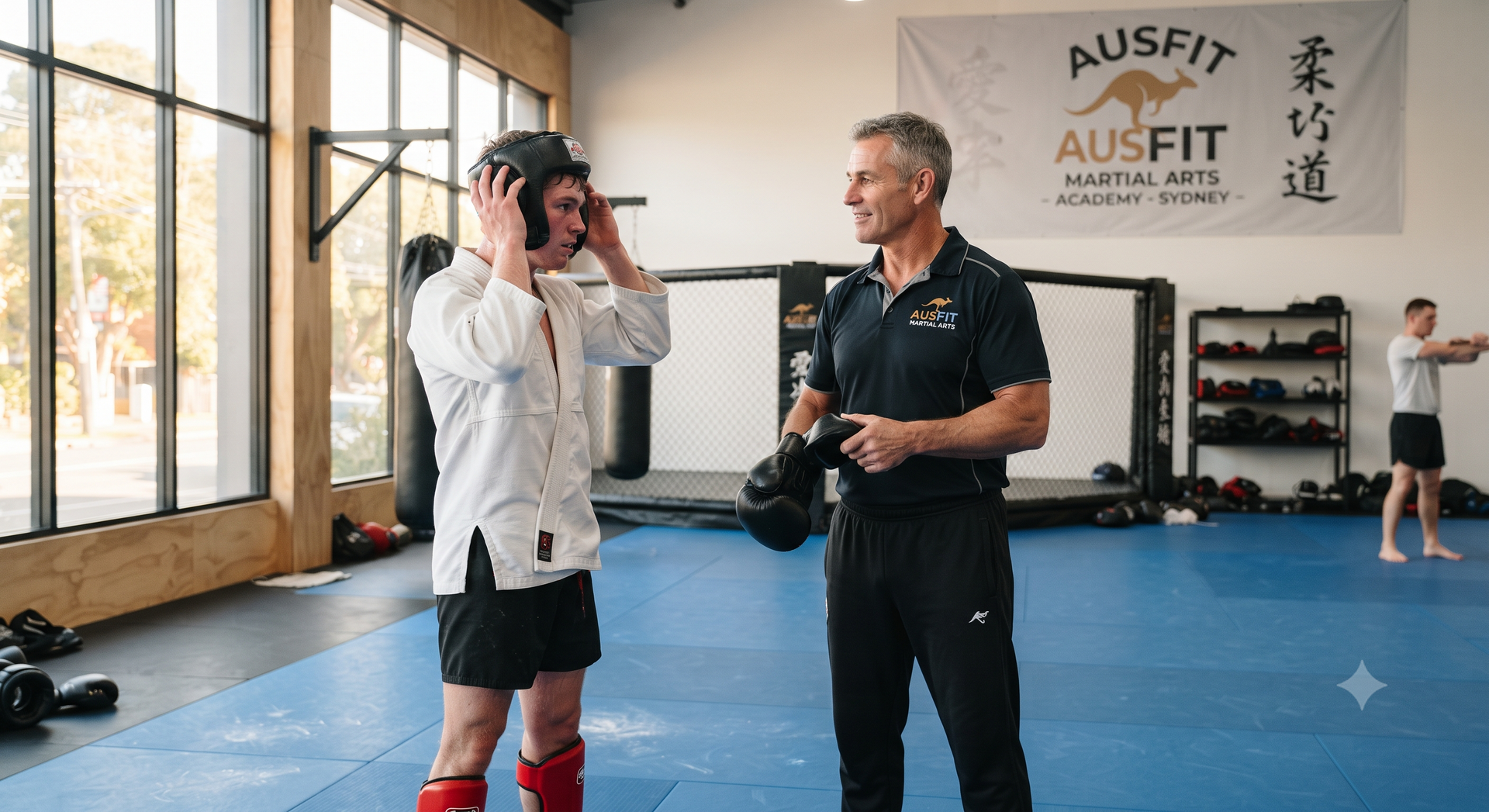
Public Liability addresses bodily injury and property damage. It is not designed to address a different category of exposure that martial arts instructors carry: the risk arising from advice, instruction, grading decisions, and professional judgement.
An instructor who awards a black belt grading, certifies a student as ready to teach, or advises a student on training load and recovery is making a professional judgement call. If that judgement is later alleged to have been negligent a student injured during a grading they were arguably not ready for, a junior instructor put in charge of a class beyond their competency Professional Indemnity is the cover designed to respond to that category of claim, not Public Liability.
Many club owners have never had this distinction explained to them, and as a result carry Public Liability only, believing it to be comprehensive protection for the business. Understanding the difference between an injury claim and a professional judgement claim is one of the more valuable five-minute conversations a club owner can have with a broker who understands the industry.
Equipment, Contents, and Business Interruption
Beyond liability, a martial arts school carries meaningful property risk that a standard policy may price incorrectly if the specific nature of the contents is not properly declared. Mats, heavy bags, competition equipment, protective gear, and in some cases specialised flooring represent significant replacement cost, and the volume and type of equipment in a dedicated dojo is different to what a generic contents policy assumes for a comparable-sized commercial space.
Business interruption is a related consideration that is frequently overlooked entirely. If a fire, flood, or significant equipment failure makes your training space unusable for weeks, the ongoing costs of the business — rent, staff wages, loan repayments continue regardless of whether classes can run. A policy that covers the physical loss but does not consider the interruption to trading income is only addressing half of the actual financial exposure a club owner faces in that scenario.
A Note on Multi-Style and Growing Schools
Many of the clubs we work with did not start out running the full range of programs they run today. A school that began teaching a single style often adds others over time — a BJJ program alongside a striking base, a kids' program alongside an adults' program, a fitness kickboxing class alongside the traditional curriculum. Each addition changes the risk profile of the business, and each addition is a point at which the original policy, accurate when it was written, can quietly become inadequate for the business as it now operates.
This is why we treat martial arts insurance as an ongoing relationship rather than a one-off transaction. A policy arranged correctly at the outset still needs to be revisited as the school evolves, and the businesses that avoid unpleasant surprises at claim time are consistently the ones that treat this as a standing conversation rather than something to think about only at renewal.
Getting Started the Right Way
If you are opening a new school, taking over an existing one, or simply reviewing cover you arranged some years ago without much specialist input, the starting point is the same: an honest, detailed conversation about what actually happens in your classes, week to week, across every program you run. That conversation is what allows a policy to be built around your actual business rather than a generic assumption of what a martial arts school looks like.
We have had this conversation with schools across every major style practised in Australia, and it is consistently the single most useful thing we do for a new client before a single policy document is issued.
How Premiums Actually Reflect Your Risk Profile
Club owners sometimes assume that premium is set purely by student numbers or floor area, and are surprised to learn how many other factors an insurer weighs when pricing martial arts cover. Contact intensity across your curriculum, the proportion of junior versus adult students, whether competition or grading events are run in addition to regular classes, the qualifications and experience of your instructor team, and your claims history all feed into the underwriting decision. A school with a strong, documented safety culture incident reporting, clear sparring standards, current first aid certification across staff is a more attractive risk to underwrite than an otherwise identical school without these practices, and this can be reflected in the terms offered.
Understanding this connection is useful for two reasons. First, it explains why two schools of similar size can be quoted quite differently. Second, and more importantly, it means that genuine investment in the safety practices covered elsewhere in this content package proper injury management, sensible sparring culture, accurate disclosure is not only good practice in its own right but also directly relevant to how your business is viewed by the insurance market over time.
Questions Worth Asking Before You Sign
Before accepting any policy, a club owner should be comfortable with the answers to a short list of practical questions: does the policy specifically name every style and activity taught, not just a general "martial arts" category? Does it follow the business to every venue currently used, including hall hire arrangements? Does the Public Liability limit meet any requirement set out in your lease or venue hire agreement? Is Professional Indemnity included or considered, given the grading and instructional decisions your school makes? These are the same questions we work through with every client, and asking them yourself first is a useful habit regardless of who you ultimately arrange cover through.