
Instructor Accreditation and Supervision: What Your Martial Arts Insurance Policy Really Needs to Cover
What Happens When Someone Other Than Your Head Instructor Is Running the Class
We speak with martial arts school operators every week who are navigating one of the most common — and often misunderstood — challenges in the industry: what happens to your insurance when someone other than the head instructor is running the class?
Whether you're looking at getting an assistant accredited through Martial Arts Australia, wondering if a lower-ranked instructor can legally supervise a session, or trying to understand what happens to your cover when the principal instructor is temporarily away, this is a topic that genuinely matters to the ongoing safety and legal standing of your school. Let's break it down properly.
Why Instructor Qualification Matters to Your Insurer
When a martial arts school takes out a Public Liability policy, the insurer is not just covering a location — they are assessing the risk profile of the entire operation. A significant part of that risk assessment comes down to who is delivering instruction and what their qualifications look like.
Think about it from the insurer's perspective. A beginner-ranked instructor leading a class in contact-based sparring carries a fundamentally different risk profile than an experienced black belt with formal teaching credentials. Insurers price and structure their policies accordingly, and some draw very clear lines around the minimum rank or accreditation level they will accept for a class supervisor.
This is not arbitrary. It reflects decades of claims data. Sessions led by unqualified or minimally trained instructors have historically produced more incidents — and more costly ones — than those run by properly credentialed practitioners. Understanding this relationship helps you approach your insurance conversations far more effectively.
Getting an Assistant Accredited Through Martial Arts Australia
One of the most practical and effective ways to address this issue is instructor accreditation through Martial Arts Australia (MAA). MAA offers formal recognition pathways that a number of insurers accept as evidence of competency and fitness to instruct. This is particularly relevant when you have a capable, experienced assistant — someone like a senior student or a long-standing class helper — who isn't yet at a rank that would automatically satisfy insurer requirements.
If you're asking whether you can get someone accredited through MAA to satisfy insurance requirements for temporary supervision, the answer is: this pathway exists and it is absolutely worth exploring. MAA instructor recognition is broadly accepted in the Australian martial arts community and can open doors with insurers that rank alone might not.
When clients approach us with this scenario, we work to find policy wordings that accommodate accredited instructors even where rank thresholds might otherwise be a barrier. The key is to have the accreditation formalised before the supervision scenario arises — not after an incident has occurred.
The White Belt and Blue Belt Instructor Problem
This is a question we receive regularly, particularly from schools that teach disciplines like Brazilian Jiu Jitsu or Judo, where the belt structure means a technically advanced practitioner can still hold a relatively low colour grade.
Many standard martial arts insurance policies do draw a line at a minimum rank — and for some insurers, a white or blue belt is simply below that threshold regardless of the practitioner's actual experience or capability. If your current policy falls into this category, you have a few options worth discussing with your broker.
First, look at whether supplementary accreditation — such as through MAA or a relevant national body — can bridge the gap. A formally accredited instructor with a blue belt may be acceptable where an unaccredited one is not.
Second, some insurers in the specialist martial arts market take a more nuanced view and will assess the application holistically — looking at years of practice, competition history, teaching experience, and references from senior practitioners. This is where working with a specialist broker genuinely makes a difference. We have access to a broader panel of insurers than a general broker would, and we know which underwriters are prepared to look beyond rank alone.
Third, if neither of the above applies, it may be worth considering whether the lower-ranked instructor can co-supervise alongside a higher-ranked practitioner until their own rank progresses. Some policy structures accommodate a tiered supervision model.
Does Your Policy Cover the Instructor if They Are Injured During Work?
This is a question that catches a lot of school operators off guard. Public Liability insurance is designed to respond when a third party — such as a student — suffers an injury or loss arising from your operations. It does not, in most standard forms, cover the instructor themselves for injuries sustained while performing their duties.
For that kind of protection, you need Personal Accident cover — specifically a policy that extends to instructors in their professional capacity. This type of cover can include medical expense reimbursement, income replacement if the instructor cannot work due to injury, and in severe cases, a lump-sum benefit for permanent impairment.
We regularly arrange Group Personal Accident cover for martial arts instructors and students alike. If you are a school operator and your instructors are active on the mat — which of course they are — this is a cover that deserves serious consideration. The cost is generally modest relative to the protection it provides, and the peace of mind it offers both you and your team is significant.
One important note: if your instructors are engaged as employees rather than independent contractors, your obligations under state-based workers compensation legislation will also be relevant. This sits alongside but is separate from a Personal Accident policy, and your obligations vary depending on which state or territory you operate in. We recommend speaking with us directly about your specific arrangement.
Volunteer Instructors: Contact Sparring and Outdoor Training
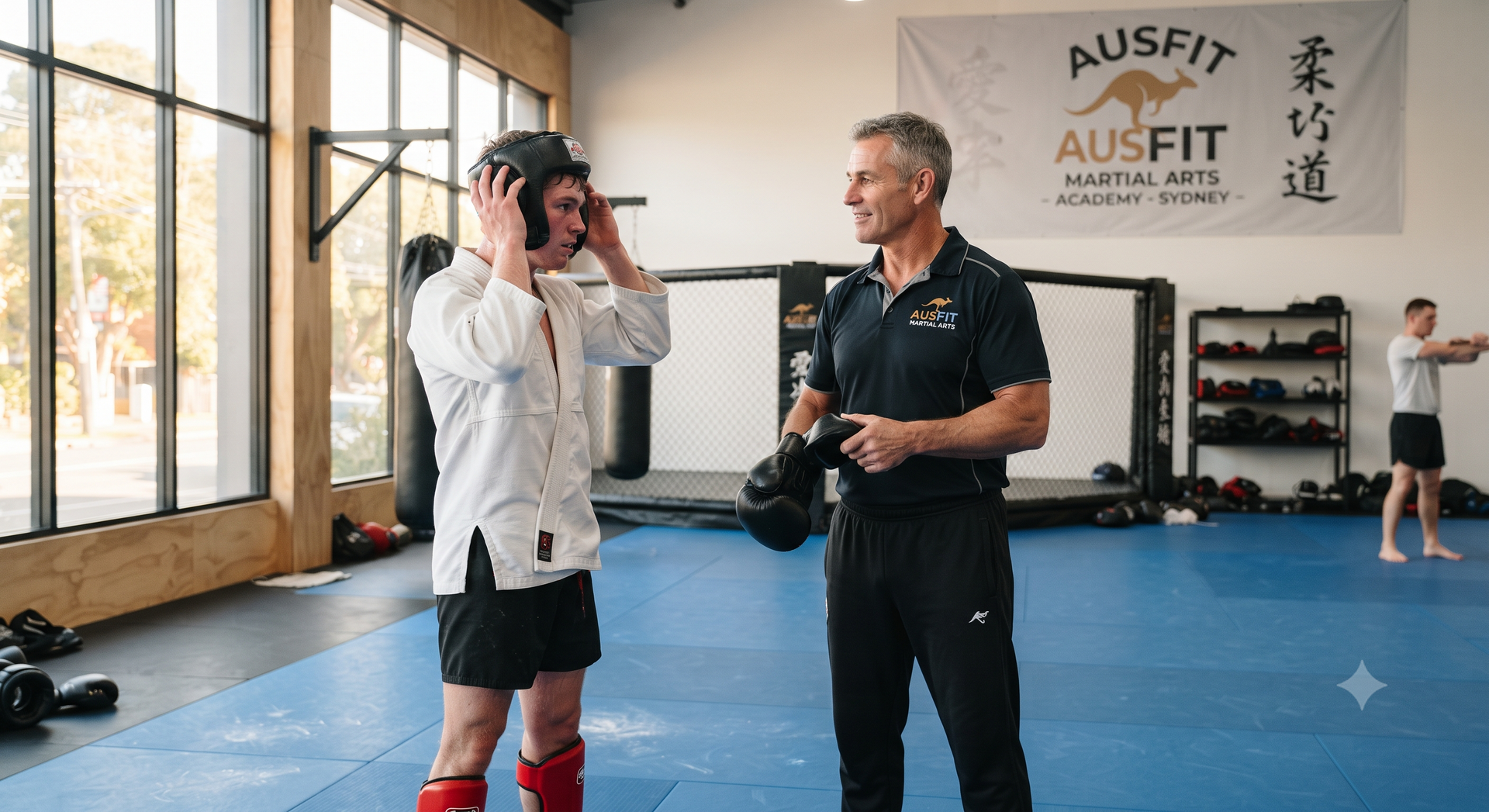
Community martial arts clubs often rely on volunteer instructors, and this creates a specific set of questions for insurers. If your club uses an unpaid volunteer to supervise contact sparring sessions or to run outdoor training when the head instructor is unavailable, you need to be certain that your policy accommodates this.
Not all policies do. Some are written in a way that limits cover to sessions delivered by the named instructor or instructors of a specified minimum rank. A volunteer running a session independently — particularly one involving contact sparring, which carries a higher injury risk — could fall outside the scope of those policies if the wording is not carefully examined.
When we set up cover for clubs in this situation, we look at several things: whether the volunteer has any formal credentials or accreditation, how supervision is structured, what risk management protocols are in place, and whether the activities involved — particularly outdoor training and contact work — are explicitly listed within the policy's scope of covered activities.
Outdoor training is worth noting specifically. Some policies that cover in-dojo sessions may contain exclusions or sub-limits for activities conducted away from the principal premises. If your club trains in parks, on beaches, or at community facilities, make sure your policy is structured to respond in those environments.
Temporary Absence of the Principal Instructor
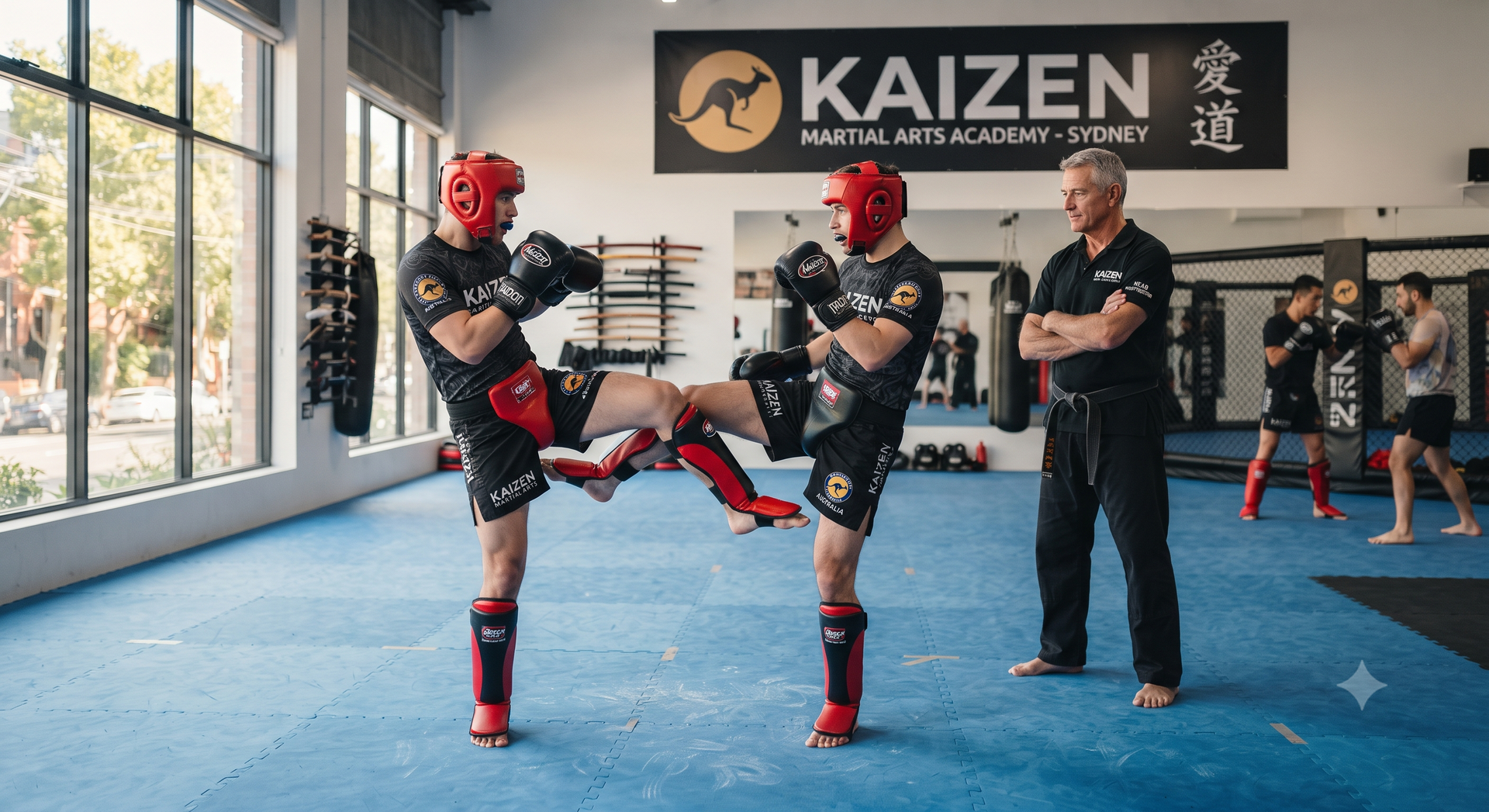
This scenario is probably the most common one we deal with: the primary instructor has a holiday, illness, family commitment, or other absence, and a capable but less senior person needs to step in. Will the policy still respond if something goes wrong?
The answer depends entirely on the policy wording. Policies that specify a named instructor or set minimum qualifications for any supervising person may not respond automatically if an unqualified or unlisted individual runs the session.
The best practice is to address this before it becomes an issue. When you take out or renew your policy, have an explicit conversation with your broker about what happens during periods of supervisor absence. Are relief instructors covered? Does their rank or accreditation need to meet a minimum standard? Is there a requirement to notify the insurer when supervision arrangements change temporarily?
We build this kind of flexibility into our clients' policies where possible. We understand that running a real martial arts school involves real-world scenarios that don't always fit neatly into a standard policy schedule. Our job is to make sure your cover reflects how your school actually operates — not an idealised version of it.
Practical Steps for School Operators
If you've read through this article and found yourself uncertain about how your current policy handles instructor supervision, here's what we recommend:
Step one: Pull out your current policy wording and look specifically at any sections referring to instructor qualifications, supervision requirements, or limitations on who can deliver instruction under the policy.
Step two: If your school uses assistant instructors, volunteers, or lower-ranked supervisors at any point, flag this with your broker and ask for written confirmation that these arrangements are covered.
Step three: If you're considering getting an assistant accredited through MAA or a similar body, speak to us before you proceed. We can advise on which accreditation pathways are most likely to be recognised by the insurers we work with.
Step four: If you don't already have Personal Accident cover for your instructors, ask us about Group Personal Accident options. This is a gap in many clubs' insurance arrangements and one that can be addressed relatively simply.
How We Can Help
We have spent decades working in and around the martial arts and fitness industries. Our principal broker is an active practitioner with over 40 years of industry experience, which means when you call us with a question about instructor cover, you're not explaining what a gi is to a generalist commercial insurance broker — you're talking to someone who understands your world.
We have access to a broad panel of insurers who write specialist martial arts policies, and we know which ones take a more flexible approach to instructor qualification questions. Whether you're a single-instructor karate school, a community club relying on volunteers, or a multi-location operation with a team of coaches, we will take the time to understand your specific situation and match you with cover that genuinely fits.
Get in touch with us at maainsuranceservices.com.au or call our office to discuss your instructor cover requirements. We're here Monday to Friday and Saturday morning — because we know the dojo doesn't always take weekdays off.