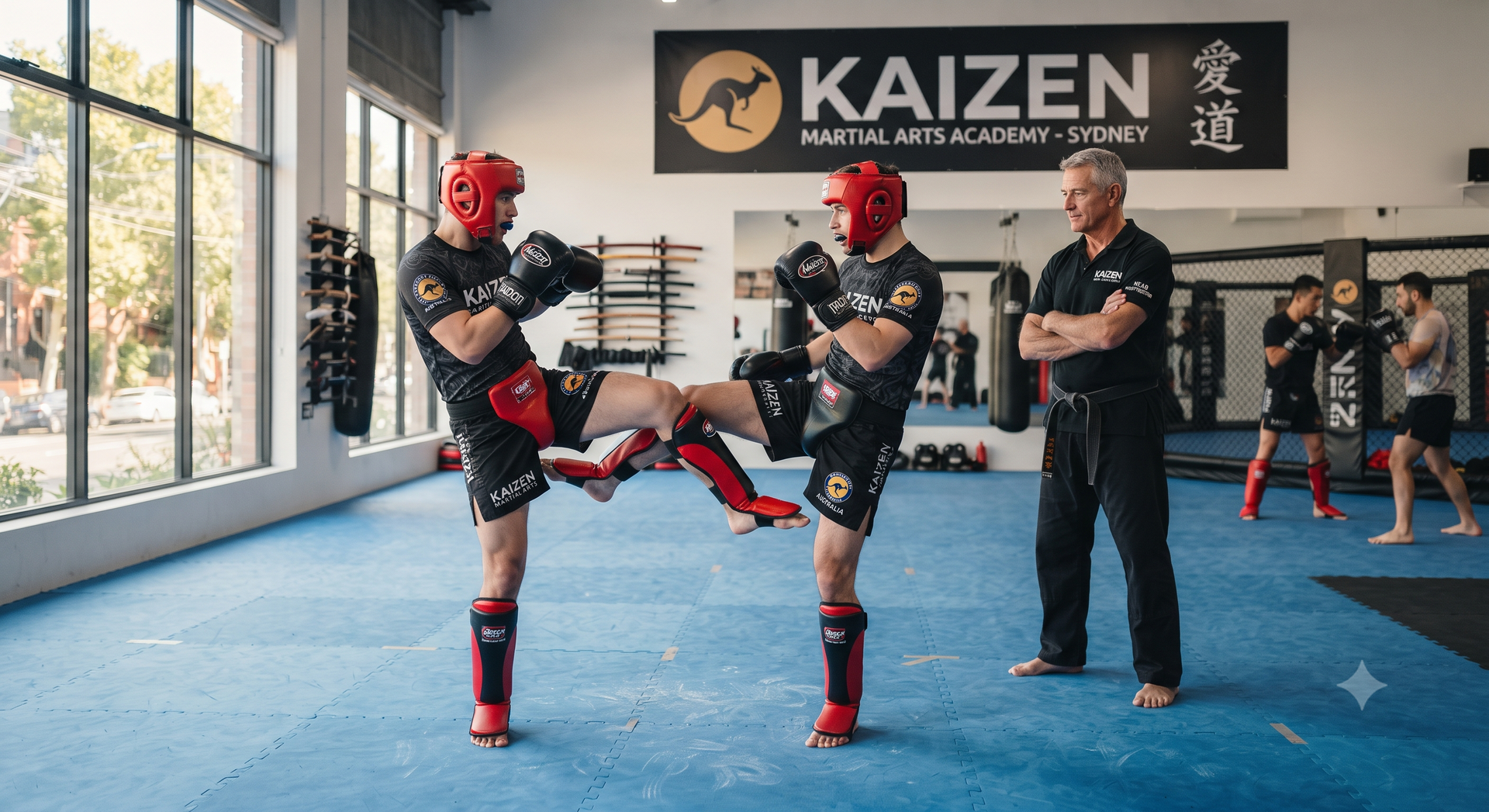

Top 10 Insurance Considerations for Martial Arts and Fitness Clubs
General Awareness for Club Owners, Instructors, and Administrators

Martial arts and fitness clubs operate in environments that combine physical activity, instruction, shared spaces, and public interaction. While many clubs hold insurance as part of their operations, the way insurance interacts with daily activities is not always fully understood.
Insurance is not a single solution that applies universally to all situations. Instead, it is a framework built around defined activities, business structures, and documented arrangements. Understanding key insurance considerations helps club owners develop realistic expectations and improve overall insurance awareness.
This article provides general insurance information outlining ten common considerations for martial arts and fitness clubs. It is intended for educational purposes only and does not provide personal advice.
1. How Activities Are Defined in the Policy
One of the most important insurance considerations is activity definition. Insurance policies respond to how activities are described in the policy wording, not how they are commonly understood within the industry.
For martial arts and fitness clubs, activity definitions may include:
- Fitness instruction
- Martial arts training
- Partner drills
- Controlled contact
- Group classes
- Conditioning sessions
Differences between how a club actually trains and how activities are defined in the policy can influence how incidents are assessed.
2. Differences Between Fitness and Martial Arts Training
Although fitness clubs and martial arts schools are often grouped together, their training environments can differ significantly.
Martial arts training frequently involves:
- Participant interaction
- Technique application
- Progressive skill development
- Partner-based exercises
Insurance policies may treat these elements differently from equipment-based or self-directed fitness training. Understanding this distinction supports clearer insurance awareness.
3. Group Classes and Participant Numbers
Group classes are common in both fitness and martial arts settings. However, insurance policies may distinguish between:
- One-on-one instruction
- Small group training
- Large group classes
Class size, supervision levels, and participant movement can influence how insurers assess exposure. Coverage depends on how group activities are defined within the policy.
4. Sparring, Partner Drills, and Contact Activities
For martial arts clubs, sparring and partner drills are often central to training. These activities may be treated differently depending on how contact is defined.
Policies may:
- Distinguish between non-contact and contact training
- Apply different definitions to sparring and competition
- Exclude certain activities unless they are declared
Understanding how contact activities are addressed in policy wording is a key consideration for martial arts clubs.
5. Instructors, Assistants, and Volunteers
Clubs often involve multiple people delivering or supporting training, including:
- Lead instructors
- Assistant coaches
- Volunteers
Insurance policies define who is considered an insured person and how different roles are treated. Coverage considerations may vary depending on whether individuals are employees, contractors, or volunteers.
6. Training Locations and Venues
Martial arts and fitness clubs may operate across multiple locations, such as:
- Dedicated studios
- Shared gym spaces
- Community halls
- Temporary or hired venues
Insurance policies may specify covered locations or require disclosure of multiple venues. Changes in training location can affect how coverage applies.
7. Events, Gradings, and Special Activities
Many clubs host activities beyond regular classes, including:
- Belt gradings
- Seminars
- Demonstrations
- Competitions or tournaments
These activities may be assessed differently from routine training. Whether they are covered depends on how they are defined in the policy and whether exclusions apply.
8. Online and Hybrid Training Models
Some clubs now offer online or hybrid training options, such as:
- Live-streamed classes
- Recorded instructional content
- Supplementary online programs
Insurance policies arranged for in-person training may not automatically extend to digital delivery formats. Understanding whether online services are addressed in the policy is an important consideration.
9. Documentation and Record Awareness
From an insurance perspective, documentation may be relevant if an incident is reviewed. This can include:
- Class schedules
- Activity descriptions
- Instructor roles
- Incident reports
Documentation does not determine claim outcomes, but inconsistencies between records and policy wording can complicate assessments.
10. Understanding the Limits of Insurance
A final and important consideration is understanding what insurance does—and does not—do.
Insurance does not:
- Eliminate risk
- Prevent injuries
- Guarantee claim outcomes
- Apply universally to all incidents
Insurance provides financial protection for certain insured events, subject to policy terms, conditions, and exclusions.
Common Misunderstandings Among Clubs
Some frequent misunderstandings include:
- Assuming all activities are automatically covered
- Believing coverage updates itself as clubs evolve
- Confusing certificates of currency with full policy coverage
- Relying on industry norms rather than policy wording
Insurance outcomes are based on documentation and definitions, not assumptions.
Why Industry-Specific Insurance Knowledge Is Often Referenced
Martial arts and fitness clubs operate in environments that combine instruction, movement, and public interaction. Because of this, insurance discussions in these sectors often reference industry-specific knowledge.
Some insurance advisers focus specifically on martial arts and fitness organisations. For example, Martial Arts Australia Insurance Services works with clubs across Australia, arranging insurance based on declared activities and operating models.
This reference is provided for general awareness only and does not constitute personal advice or a recommendation.
Claims Are Assessed Individually
It is important to reiterate that:
- Claims are not automatic
- Coverage is not universal
- Outcomes vary depending on circumstances
Claims, where made, are assessed individually in line with policy terms, conditions, and exclusions.
Closing Thoughts
Insurance considerations for martial arts and fitness clubs extend beyond simply holding a policy. Understanding how activities are defined, how training is structured, and how policies are assessed supports informed awareness and realistic expectations.
Insurance plays a specific and limited role in addressing financial exposure arising from certain insured events. Awareness of these considerations helps clubs engage with insurance arrangements more effectively.
Disclaimer:
This content is general information only and does not constitute legal or insurance advice. Coverage requirements vary based on each business’s activities and risk profile, and policy terms and exclusions apply.
For fitness and wellness businesses seeking industry-specific guidance, Martial Arts Australia Insurance Services (MAAIS) provides insurance solutions aligned with real-world instruction and operational practices.