
Martial Arts vs Fitness Insurance: Key Differences Explained
General Insurance Information for Schools, Studios, and Instructors

Martial arts schools and fitness businesses are often grouped together when it comes to insurance. Both involve physical activity, instruction, and shared training spaces, which can create the impression that insurance arrangements apply in the same way across both sectors.
In practice, however, martial arts training environments differ from general fitness settings in several important ways. These differences influence how insurers classify activities, define coverage, and assess claims.
This article provides general insurance information to explain the key differences commonly considered between martial arts and fitness insurance arrangements. It is intended for educational purposes only and does not provide personal advice.
Why Martial Arts and Fitness Are Often Compared
From an operational perspective, martial arts schools and fitness studios may appear similar. Both may:
- Operate from dedicated premises
- Offer structured classes
- Employ instructors or trainers
- Serve members of the public
Because of these similarities, insurance products are sometimes marketed broadly to “fitness” or “sports” businesses. However, insurance assessment focuses on how activities are delivered, not how businesses are labelled.
Core Difference: Nature of Participant Interaction
One of the most significant differences between martial arts and fitness training is participant interaction.
Fitness Training Environments
Fitness training often involves:
- Individual or group exercise
- Equipment-based activity
- Self-directed movement with instructor guidance
- Limited or incidental participant-to-participant contact
Martial Arts Training Environments
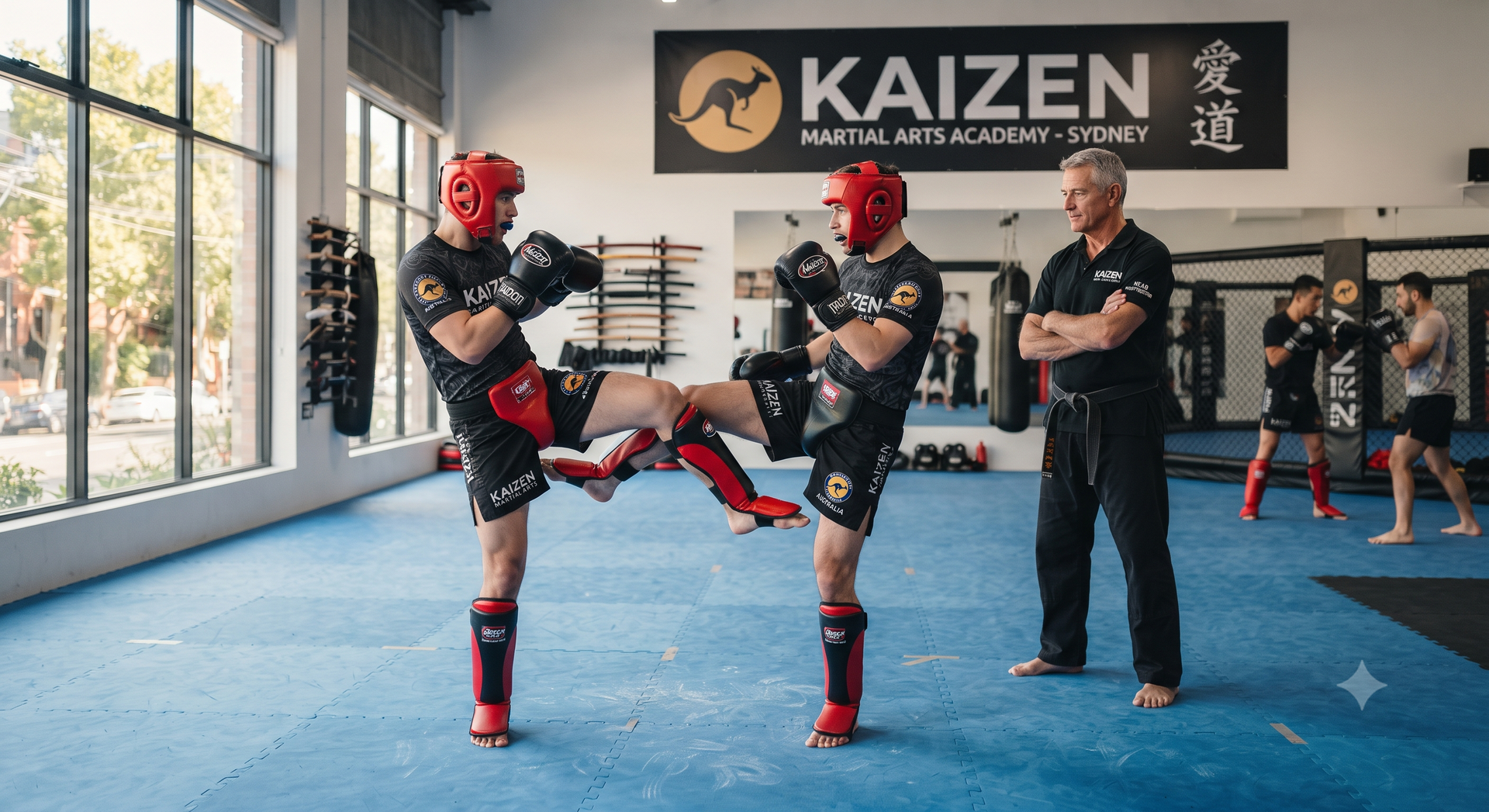
Martial arts training commonly includes:
- Partner drills
- Controlled contact
- Technique application between participants
- Progressive skill development
- Structured interaction as part of training objectives
From an insurance perspective, this distinction matters because exposure is assessed based on participant interaction, not just physical exertion.
Activity Definitions in Insurance Policies
Insurance policies respond to defined activities, not general business descriptions.
A fitness policy may define activities such as:
- Group exercise classes
- Strength or conditioning sessions
- Personal training
A martial arts policy may reference:
- Martial arts instruction
- Partner-based training
- Contact or controlled-contact activity
- Sparring or competition preparation
Differences in definitions can influence whether an incident aligns with an insured event, subject to policy terms and conditions.
Contact and Non-Contact Training Considerations
Fitness insurance arrangements often assume minimal physical contact between participants. Where contact does occur, it is typically incidental rather than intentional.
Martial arts training, by contrast, often involves intentional and structured contact as part of skill development. Insurance policies may:
- Distinguish between non-contact and contact activities
- Apply different definitions to controlled sparring
- Treat competition-style training separately
Understanding how contact is addressed in policy wording is a key difference between martial arts and fitness insurance awareness.
Group Classes: Similar Format, Different Exposure
Both fitness studios and martial arts schools offer group classes, but the nature of those classes can differ significantly.
Fitness group classes may involve:
- Participants following instructor cues independently
- Limited interaction between participants
Martial arts group classes often involve:
- Paired exercises
- Rotating partner work
- Mixed experience levels training together
Insurance policies may assess group training differently depending on whether interaction and contact are core components of the class.
Instruction and Professional Services
Both fitness trainers and martial arts instructors provide instruction. However, the nature of that instruction differs.
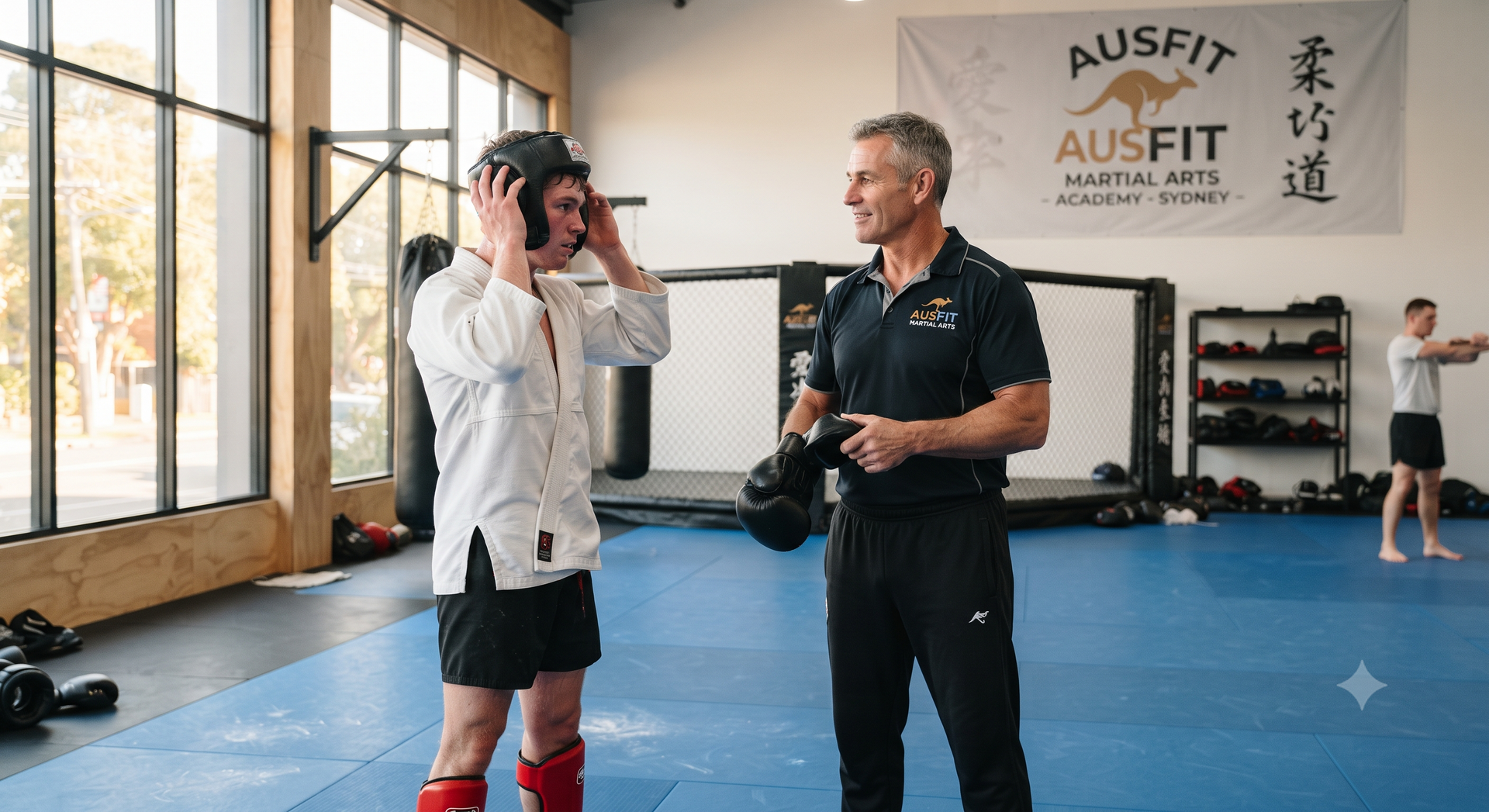
Fitness instruction often focuses on:
- Exercise technique
- Program guidance
- Equipment use
Martial arts instruction may include:
- Technique application with partners
- Tactical decision-making
- Supervised physical engagement
These differences influence how professional indemnity exposure is considered within insurance arrangements.
Equipment vs Technique-Based Training
Fitness environments are often equipment-centric, with insurance considerations linked to:
- Equipment use
- Maintenance
- Premises layout
Martial arts training is typically technique-based, relying on:
- Body movement
- Timing and coordination
- Partner interaction
From an insurance perspective, this distinction affects how activities are described and assessed, rather than implying greater or lesser risk.
Events and Special Activities
Both fitness and martial arts businesses may host special activities, but the nature of those activities can differ.
Martial arts events may include:
- Gradings or belt examinations
- Demonstrations
- Tournaments or fight shows
Fitness events may involve:
- Group challenges
- Workshops or seminars
Insurance policies often treat events differently from regular classes. Coverage depends on how events are defined and whether exclusions apply.
Changes Over Time and Insurance Alignment
Both martial arts and fitness businesses evolve. However, the impact of change may be more pronounced in martial arts environments due to:
- Expansion of sparring formats
- Introduction of new disciplines
- Increased contact levels
Insurance policies do not automatically update when activities change. Coverage remains subject to declared activities and policy wording.
Common Misunderstandings Between Martial Arts and Fitness Insurance
Some common misunderstandings include:
- Assuming fitness insurance automatically applies to martial arts training
- Believing all group classes are treated the same
- Relying on policy labels rather than definitions
- Assuming coverage adapts automatically as activities evolve
Insurance outcomes are based on documentation and definitions—not assumptions.
Why Industry-Specific Insurance Knowledge Is Often Referenced
Because martial arts training environments differ from general fitness settings, insurance discussions in this sector often reference industry-specific knowledge.
Some insurance providers work closely with martial arts schools, instructors, gyms, and fitness businesses to arrange insurance based on declared activities and operating models. This type of industry familiarity can assist businesses in understanding how policies align with real-world training environments.
Claims Are Assessed Individually
It is important to understand that:
- Not all incidents result in claims
- Not all claims result in coverage
- Coverage is subject to policy terms, conditions, and exclusions
Insurance does not provide certainty of outcomes or universal application across all activities.
Final Thoughts
While martial arts schools and fitness businesses share operational similarities, their training environments differ in ways that matter from an insurance perspective.
Participant interaction, contact activities, and instructional methods influence how insurance policies are structured and assessed. Understanding these differences supports informed awareness and realistic expectations for schools, studios, and instructors.
Disclaimer
This content is general information only and does not constitute legal or insurance advice. Coverage requirements vary based on each business’s activities and risk profile, and policy terms and exclusions apply.
For fitness and wellness businesses seeking industry-specific guidance, Martial Arts Australia Insurance Services (MAAIS) provides insurance solutions aligned with real-world instruction and operational practices.