
Event and Tournament Insurance for Gyms, Fight Shows, and Fitness Festivals
Why One-Off Events Require More Than Standard Business Insurance
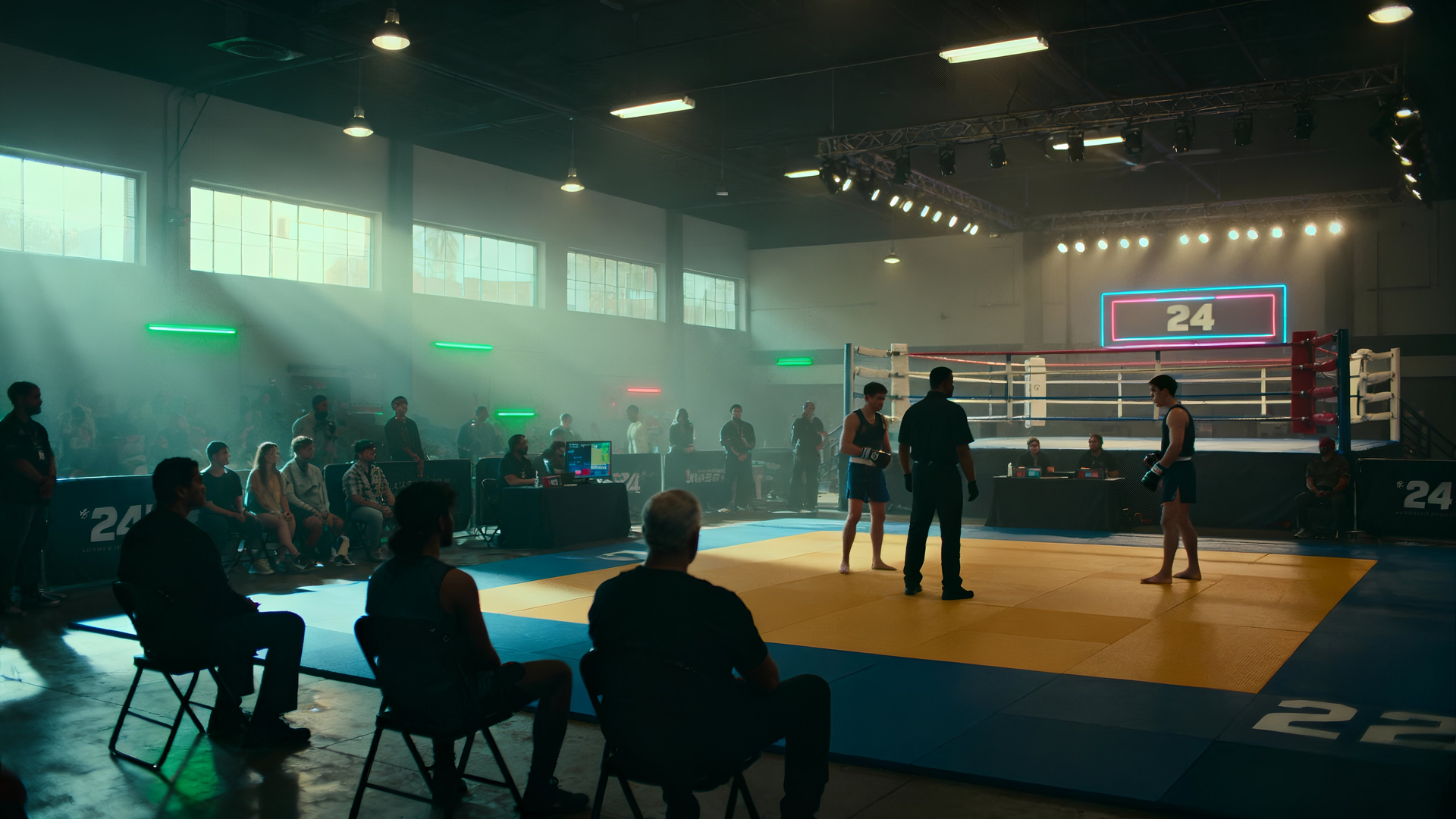
Events play a major role in the fitness and combat sports industry. From in-house competitions and belt gradings to large-scale fight shows and fitness festivals, events create opportunities for community engagement, brand exposure, and revenue growth.
They also introduce a level of risk that goes far beyond normal day-to-day operations.
Many fitness business owners assume their existing insurance automatically extends to events. In reality, this is one of the most common—and costly—misconceptions in the industry. Event-related incidents are frequently uninsured due to policy exclusions, undeclared activities, or misunderstanding of coverage scope.
This article explains why event and tournament insurance matters, the risks involved, and how specialist providers help fitness and combat sports operators protect themselves when hosting events.
Why Events Carry Higher Risk Than Regular Training
Events differ from standard training sessions in several critical ways:
- Larger numbers of participants
- Presence of spectators
- Temporary or unfamiliar venues
- Elevated intensity and competitive pressure
- Limited rehearsal or exposure control
- Increased emotional and physical engagement
These factors significantly change how insurers assess risk. Even businesses with comprehensive annual insurance may require separate or extended cover for events.
Common Types of Fitness and Combat Sports Events
Fitness and combat sports events take many forms, including:
- Martial arts tournaments
- Boxing and MMA fight nights
- In-house competitions and sparring days
- Belt gradings and demonstrations
- Fitness challenges and endurance events
- Expos and community fitness festivals
Each event type introduces unique insurance considerations based on participant profiles, activity intensity, and venue setup.
Public Liability Risks at Events
Public liability exposure increases substantially during events due to:
- Higher foot traffic
- Crowded spectator areas
- Temporary seating or structures
- Slips, trips, and falls
- Equipment movement and setup
Event-related public liability claims may involve spectators, volunteers, officials, or venue staff—many of whom are not present during normal operations.
Without event-specific coverage, these claims may fall outside the scope of annual policies.
Participant Injury and Activity Risk
Competitive and demonstration-based activities elevate injury risk due to:
- Increased physical exertion
- Competitive behaviour
- Adrenaline and reduced caution
- Unfamiliar opponents or environments
Even well-run events with qualified officials and medical presence can experience incidents. Insurance exists to respond when risk controls fail, not to replace them.
Venue and Third-Party Requirements
Many venues require:
- Event-specific certificates of currency
- Higher public liability limits
- Evidence of event naming or endorsements
Annual gym insurance policies often do not meet venue requirements unless the event is specifically declared and endorsed.
Temporary Structures and Equipment Exposure
Events commonly involve temporary infrastructure such as:
- Rings, cages, or stages
- Temporary seating
- Lighting and sound equipment
- Banners, barriers, and fencing
These elements introduce additional injury and property damage exposure that may not be covered under standard business policies.
Volunteers, Officials, and Contractors
Events often rely on:
- Referees and judges
- Timekeepers and marshals
- Volunteers and event staff
- Medical and security personnel
Insurance must clearly define who is covered, in what role, and under what circumstances. Ambiguity around responsibilities is a frequent cause of coverage disputes.
Event Insurance vs Annual Insurance
Event insurance is typically structured as:
- A one-off policy for a specific date
- An endorsement to an existing policy
- A short-term extension with defined parameters
Key differences from annual insurance include:
- Narrower timeframes
- Higher scrutiny of activities
- Venue-specific conditions
- Explicit participant and spectator exposure
Understanding these differences is essential when planning events.
Common Event Insurance Gaps
Some of the most frequent gaps include:
- Assuming annual public liability covers competitions
- Failing to declare spectator attendance
- Underestimating participant numbers
- Excluding certain combat or contact activities
- Not listing all venues or locations
These gaps often become apparent only after an incident occurs.
Why Specialist Event Insurance Matters
Event insurance requires detailed disclosure and industry-specific understanding. Generic insurers may:
- Decline coverage for combat sports
- Impose restrictive exclusions
- Apply unrealistic conditions
- Misclassify event activities
Specialist advisers understand how fitness and combat sports events operate in practice, allowing cover to be structured around real-world dynamics rather than assumptions.
Providers such as Martial Arts Australia Insurance Services (MAAIS) assist event organisers in navigating insurer requirements and aligning cover with operational realities.
Risk Management Still Matters
Insurance does not remove the need for strong risk management. Insurers expect:
- Qualified officials and instructors
- Medical response planning
- Participant screening and waivers
- Clear rules and supervision
- Incident reporting procedures
Effective risk management supports better claim outcomes and demonstrates responsible event operation.
Planning Insurance Early
Event insurance should be considered early in the planning process—not as a last-minute administrative task.
Early planning allows time to:
- Confirm coverage availability
- Address insurer conditions
- Secure venue approval
- Adjust event structure if required
Leaving insurance arrangements too late increases the risk of inadequate or unavailable cover.
Final Thoughts
Events are powerful tools for building community, reputation, and revenue in the fitness and combat sports industry. They also introduce heightened exposure that standard insurance arrangements may not address.
Understanding the distinction between annual business insurance and event-specific coverage is critical for protecting organisers, participants, and spectators alike.
By working with specialist providers and advisers, fitness and combat sports businesses can host events with greater confidence—knowing their insurance reflects the realities of competition, demonstration, and public engagement.
Disclaimer:
This content is general information only and does not constitute legal or insurance advice. Coverage requirements vary based on each business’s activities and risk profile, and policy terms and exclusions apply.
For fitness and wellness businesses seeking industry-specific guidance, Martial Arts Australia Insurance Services (MAAIS) provides insurance solutions aligned with real-world instruction and operational practices.