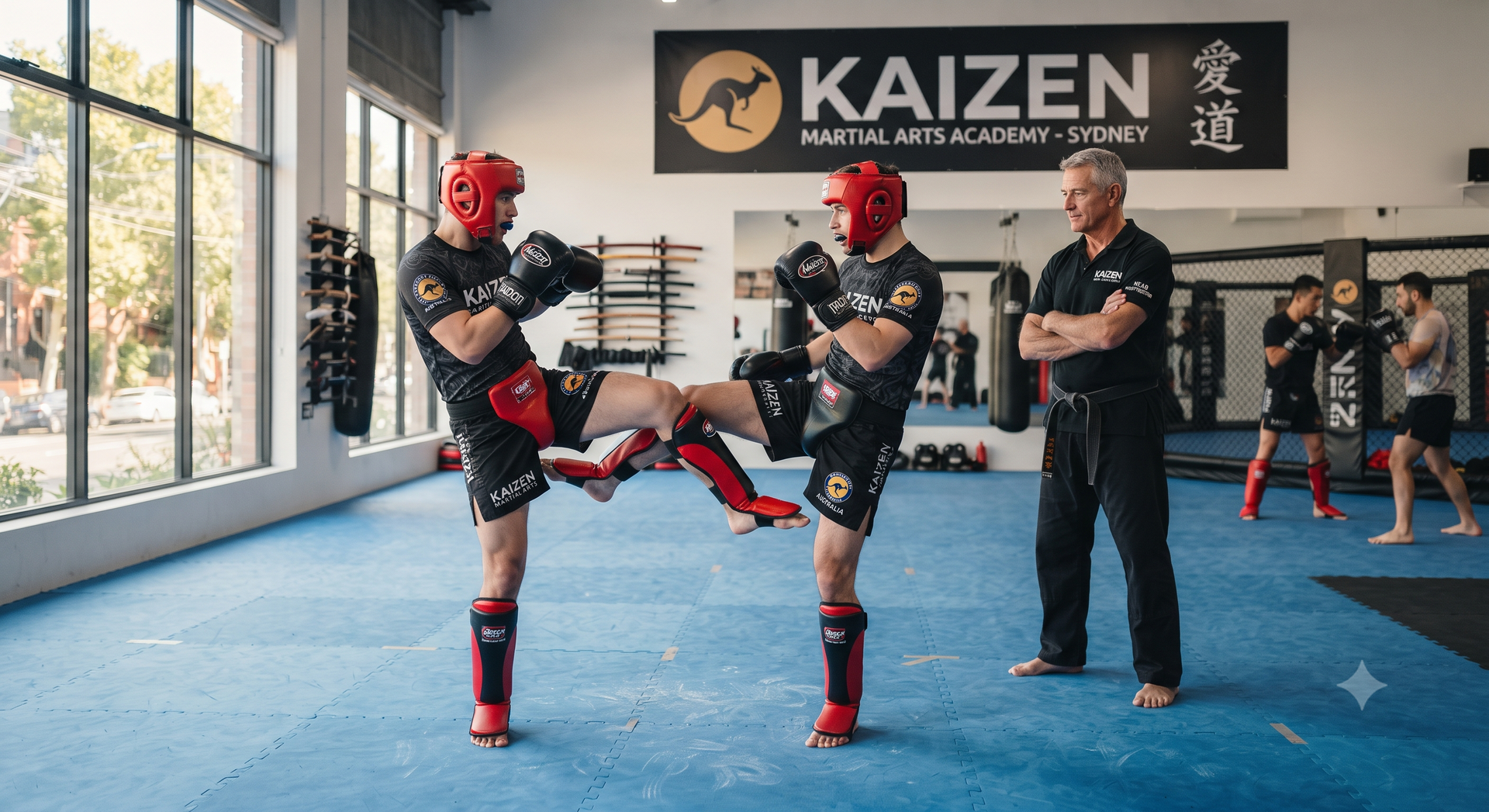

Event Insurance for Fight Shows and Tournaments: What Promoters Get Wrong
Common Mistakes and How to Avoid Them Before the Day
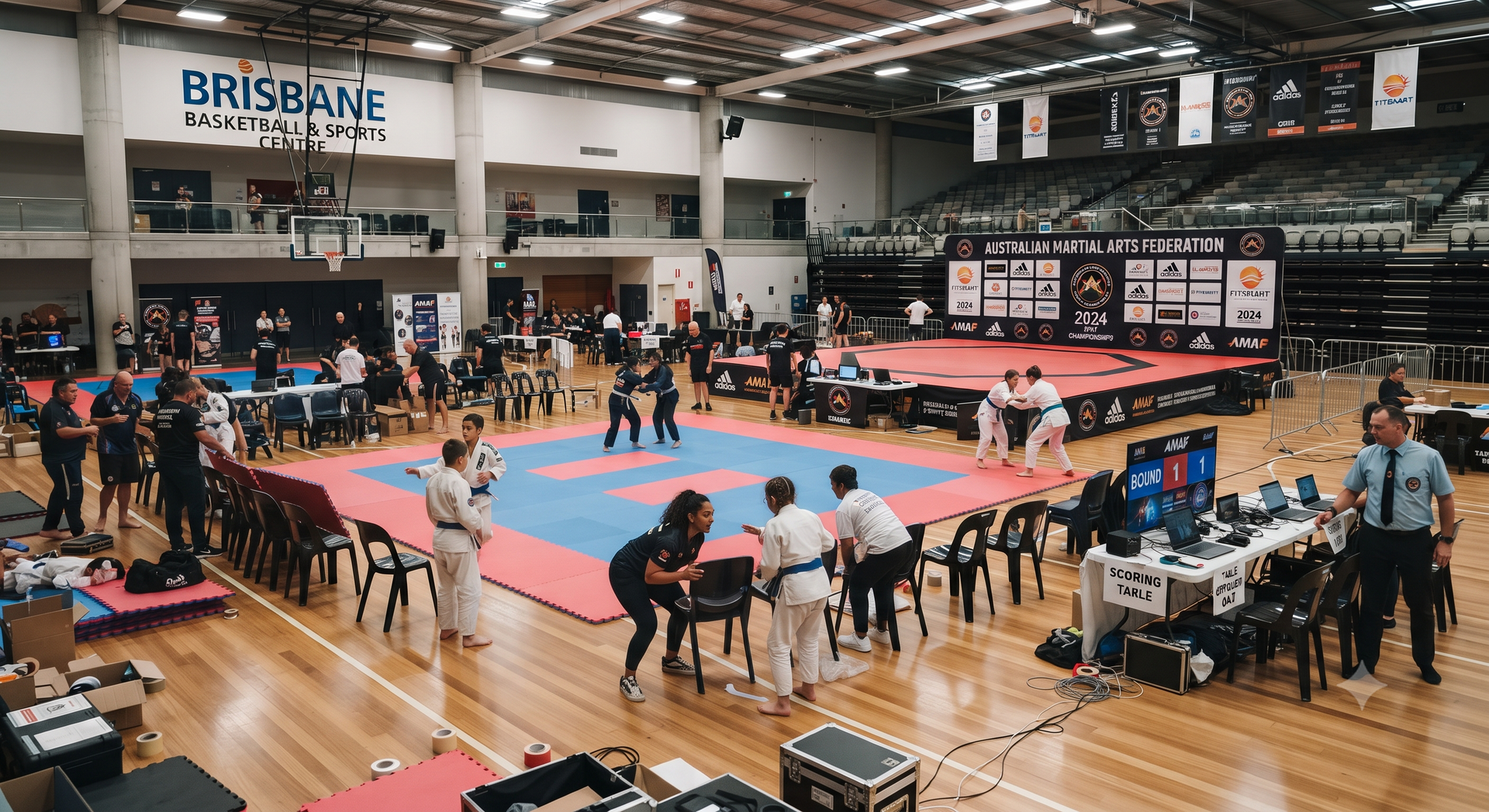
Running a martial arts event a local tournament, an inter-school grading, a semi-professional fight show is a different insurance undertaking to running your regular training program, and the mistakes promoters make when approaching event insurance tend to cluster around a small number of recognisable patterns that we see repeatedly.
Assuming the Club Policy Extends
The most common error is assuming that the school or club's existing Public Liability policy automatically extends to cover an event. In most cases, it does not. A club policy is rated around your regular training activities, with typical class sizes and your normal training venue. A tournament or fight show involves a different attendance level, a different venue in many cases, a different intensity of activity, and often external participants who are not your regular students. These differences matter to the underwriting, and an event that was not specifically declared and covered is an event where a claim may not be straightforward.
Last-Minute Applications
We regularly receive event insurance applications in the final days before an event is due to take place. This limits the options available and reduces the time for proper consideration of what the event actually involves and what cover is genuinely appropriate. For any significant event, the insurance conversation should begin at the point of venue booking not the week before the fight show.
Unclear Participant Status
An event that mixes your own students with external competitors, visiting officials, and paying spectators involves multiple categories of people whose relationship to your insurance differs. Your regular students may be covered under your existing policy for normal training activities but not for the different context of competition. External competitors arriving from other schools are a distinct consideration. Spectators are another. Getting this clarity in the event insurance application who is attending, in what capacity is essential rather than a detail to resolve later.
Medical Coverage at Combat Sports Events
Events involving any level of genuine contact sparring divisions, fighting categories, demonstration bouts require specific thought about what medical coverage is in place. What is the plan if a serious injury occurs? Who is the qualified first aider and what is their scope of practice? Does the event require a physician or paramedic on site? These questions affect both the safety management of the event and the insurance position around any incident that arises.
Venue Requirements You Should Expect
Almost every venue suitable for a martial arts event a leisure centre, a school hall, a stadium, a conference space will have its own insurance requirements before it allows the event to proceed, and these requirements are frequently more specific than promoters expect. A minimum Public Liability limit is standard, but many venues also require the promoter's policy to name the venue owner as an interested party, or require evidence that the policy has been arranged with the specific event and date declared rather than being a generic annual policy.
Reading the venue hire agreement in full before assuming your existing cover satisfies it is worth the half hour it takes. We regularly see promoters discover a specific requirement — a particular limit, a particular endorsement only when the venue's own risk team reviews the certificate of currency days before the event, at which point there is little time left to adjust the policy if it falls short.
Volunteers, Officials, and Contracted Staff
A tournament of any size relies on people beyond the competitors and the promoter table officials, referees, medical staff, security, and volunteers running registration or timing. Each of these categories carries a different relationship to your insurance. Contracted referees and medical providers will generally hold their own Professional Indemnity and Public Liability cover relevant to their own role, and it is worth confirming this rather than assuming it. Volunteers, by contrast, are typically operating under the event's own cover, and their activities however informal they may feel on the day should be captured in what you declare to your insurer as part of the event.
Getting a clear list of who is doing what at your event, before you approach us for cover, makes the resulting policy considerably more accurate and considerably faster to arrange.
Cancellation, Postponement, and Weather
Outdoor events and events with significant upfront costs venue hire, travelling officials, promotional spend carry a financial exposure that is separate from liability altogether: the cost of the event being cancelled or postponed for reasons outside anyone's control. Event cancellation cover is a distinct product from Public Liability and is worth considering specifically for larger events where the financial exposure of a cancelled event would be significant to the business running it. Not every event needs this cover, but every promoter running a significant event should at least understand that the option exists and make a deliberate decision about whether it is warranted, rather than never having the conversation at all.
Building a Repeatable Process for Recurring Events
Promoters who run the same event annually, or run a regular series of smaller competitions, benefit from treating event insurance as a standing part of their event planning checklist rather than a fresh problem each time. We work with a number of recurring-event clients on exactly this basis: the venue, the general structure, and the participant categories are broadly consistent year to year, which means the insurance conversation for each new instance of the event is faster and more accurate once the pattern is established between broker and promoter.
The promoters who get the most out of this relationship are the ones who tell us early when something about the event is changing a new venue, a new division, an increase in expected attendance rather than assuming last year's policy simply rolls over unchanged.
After the Event
Good event insurance practice does not end when the final match concludes. Any incident during the event an injury, a near miss, a dispute over officiating that became physical — is worth documenting the same day, while details are clear, in the same way an injury in regular training would be documented. This record protects the promoter's position if a claim eventuates weeks later, and it is one of the simplest and most frequently skipped steps in event risk management.
We have arranged insurance for events ranging from small inter-school competitions through to large semi-professional fight cards across multiple combat sports. We know what the right questions are.
Multi-Day and Multi-Venue Events
Larger competitions run across a full weekend, or across preliminary and final rounds at separate venues, add a further layer of complexity that promoters sometimes underestimate. Each additional day and each additional venue is, from an underwriting perspective, effectively a further event that needs to be properly declared and reflected in the policy. A promoter who has arranged cover for a single-day event and then extends it to a second day of finals at short notice, without updating the insurer, risks the same undeclared-activity problem discussed elsewhere in this content package — a policy that looked adequate for the event as originally planned but no longer matches the event actually being run.
Where an event spans multiple venues — heats at a suburban stadium, finals at a larger central venue, for example — each venue may carry its own hire requirements and its own specific insurance conditions, and treating the whole event as a single insurance conversation with us from the outset is considerably more efficient than trying to patch cover together venue by venue as the event approaches.
International and Interstate Competitors
Events that attract competitors, officials, or teams travelling from interstate or overseas introduce additional considerations around travel insurance, visa-related requirements in some cases, and the practical question of medical treatment arrangements for a visiting competitor injured while in Australia. While these are generally matters for the individual competitor or their home organisation to arrange, a promoter running an event with a significant interstate or international field benefits from confirming this expectation clearly in event entry terms, so that everyone attending understands what they are personally responsible for insuring, separate from what the event's own cover addresses.
Working With Us as Your Event Grows
Many of the promoters we work with started with a single small local competition and have grown their event over several years into a considerably larger undertaking. The insurance conversation should grow alongside the event rather than being revisited only when something goes wrong. Flagging your planned growth to us ahead of time — a bigger venue, an added weight division, a new sanctioning body, a first attempt at pay-per-view or broadcast coverage — allows us to make sure your cover keeps pace with an event that looks meaningfully different to the one we first arranged a policy for.
Broadcast, Streaming, and Sponsorship Considerations
Events that introduce broadcast or livestream production, or that bring on paid sponsors with signage and activations at the venue, add further parties whose presence and activity at the event is worth reflecting accurately in your insurance conversation. A production crew operating cameras and equipment around a competition area, or a sponsor running an activation stand among spectators, are additional categories of person and additional activity at your event, and the same principle that applies to competitors and officials accurate, upfront disclosure of who is doing what — applies equally here.