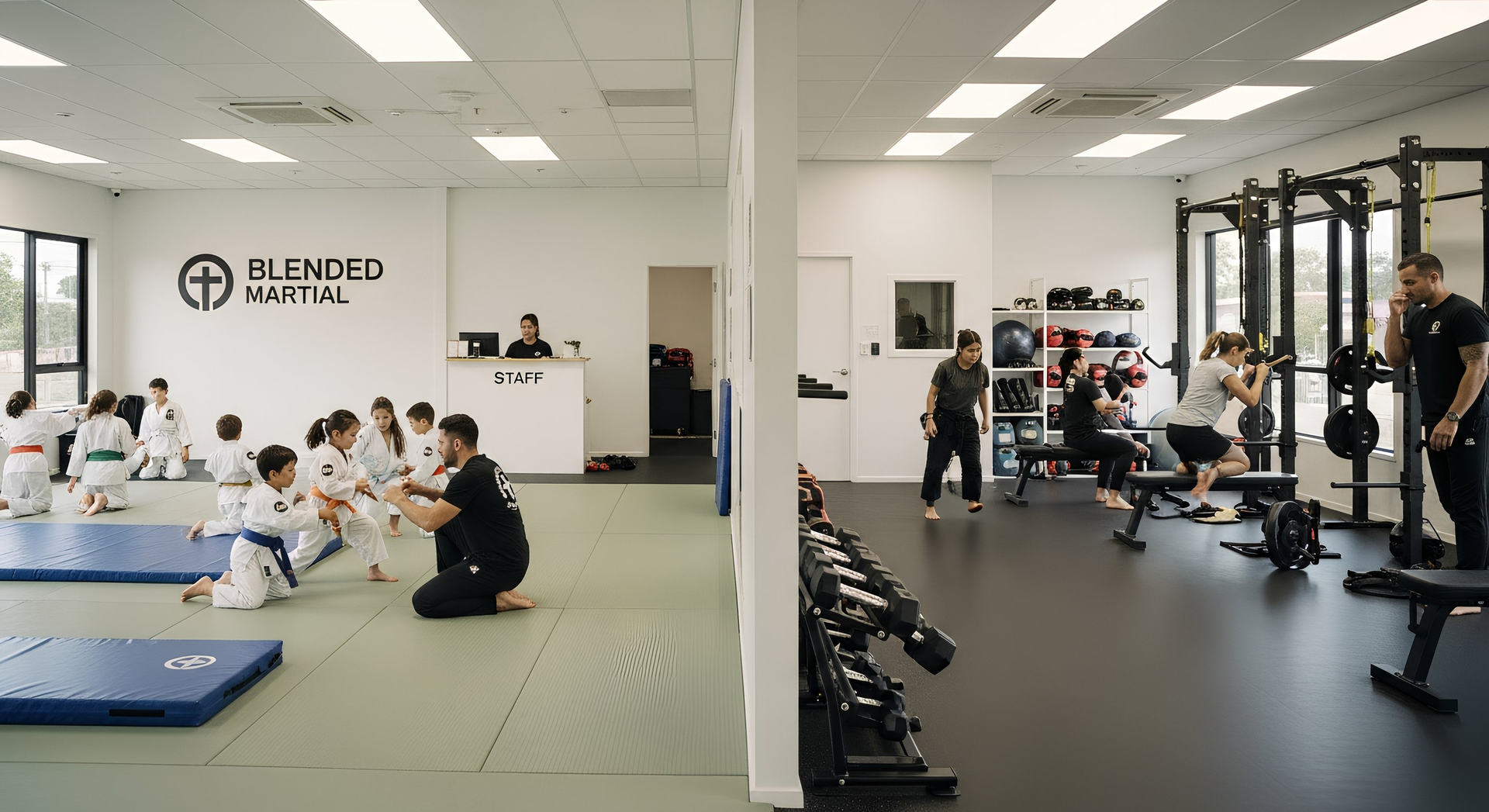
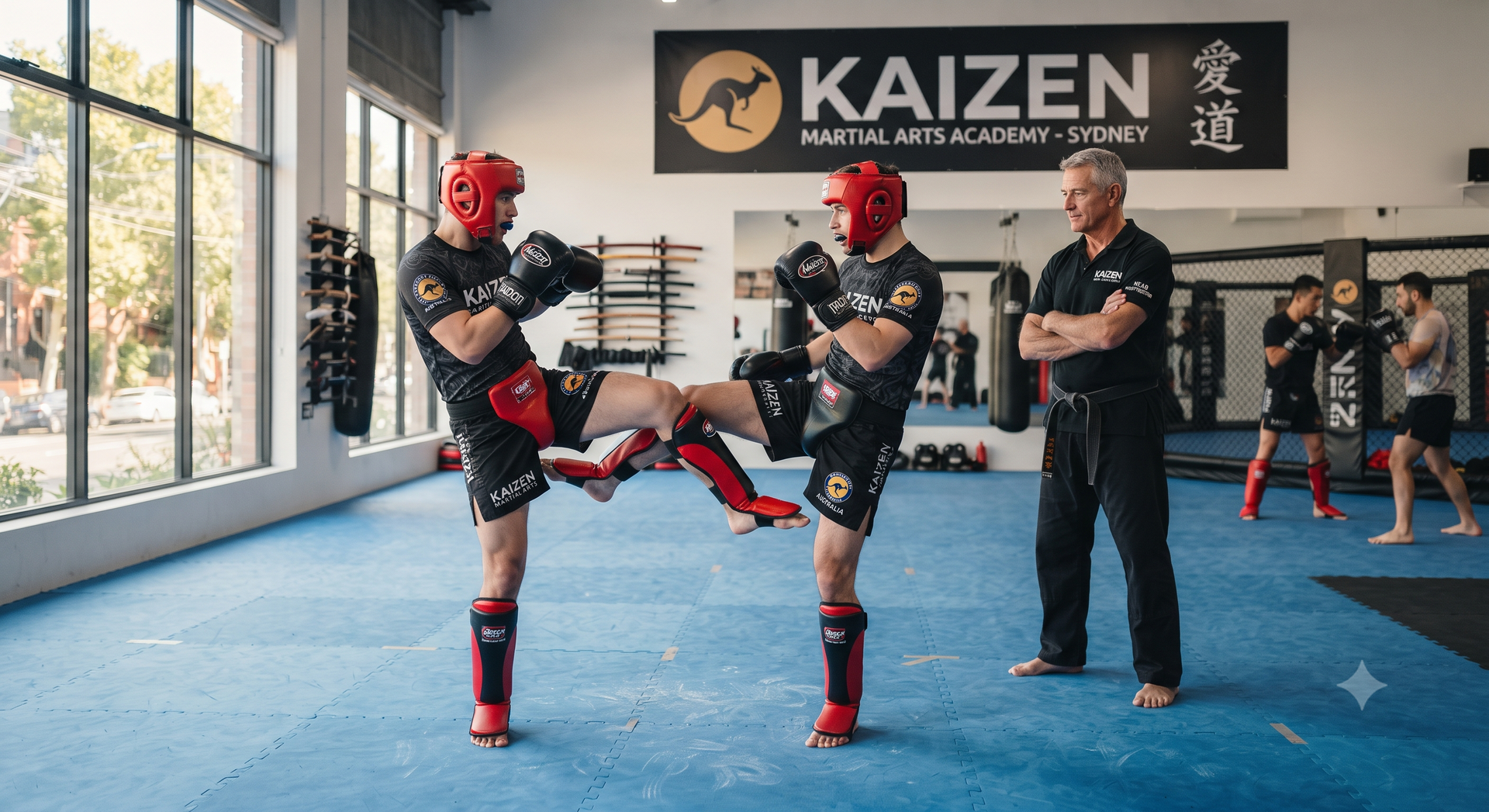
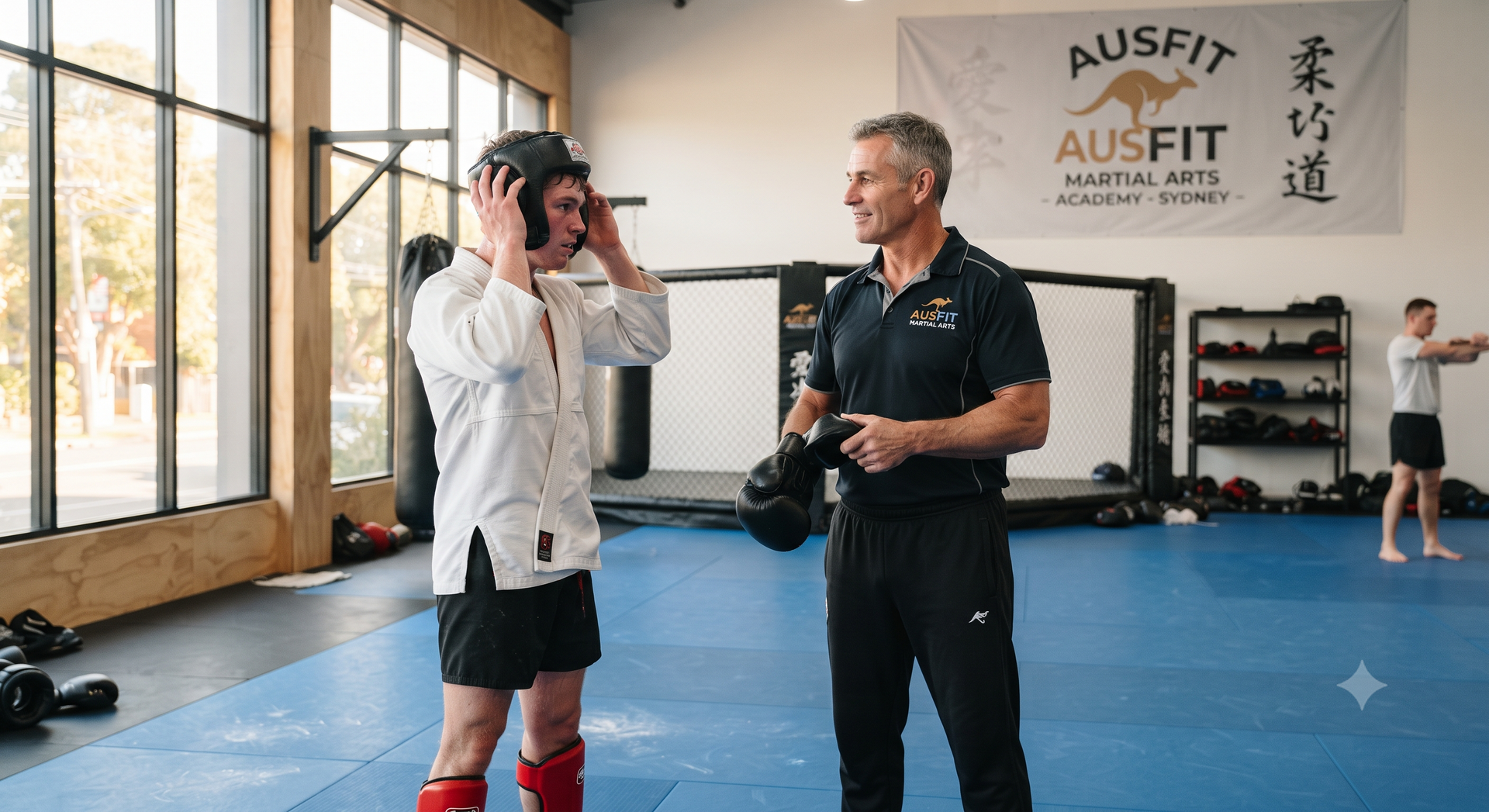
The modern martial arts academy is no longer limited to traditional mat training alone. Across Australia, many schools are evolving into diversified training environments that combine martial arts instruction with fitness zones, strength and conditioning areas, retail spaces, child minding services, and even café-style reception areas. While this growth supports business sustainability and student engagement, it also introduces a more complex operational risk profile.
This transition, often referred to as a “blended facility” model, requires careful planning. As services expand, so do the responsibilities tied to supervision, safety, facility management, and insurance considerations. For school owners, understanding how expansion affects risk exposure is essential to maintaining professional standards and long-term operational stability.
The Shift from Traditional Dojo to Multi-Service Academy
Historically, martial arts schools operated within a singular training focus: structured classes conducted on dedicated mat spaces. Today, many academies have diversified their offerings to remain competitive and meet broader student needs.
Common facility expansions now include:
- Strength and conditioning zones
- Functional training equipment
- Obstacle or agility areas
- Pro shops and retail sections
- Waiting lounges or café spaces
- Child minding services
- Cross-training programs (fitness + martial arts)
While these additions enhance the student experience, they also introduce new variables that must be managed responsibly.
Understanding the Concept of “Blended” Martial Arts Facilities
A blended facility is a martial arts academy that integrates multiple services or training environments under one operational structure. This model changes how the business functions on a daily basis and significantly influences risk considerations.
For example:
- A dojo with added gym equipment shifts from instructional risk to equipment-related risk
- A café area introduces public interaction beyond training activities
- Child minding services increase supervision responsibilities
- Multi-zone training spaces create movement flow and safety coordination challenges
Each additional service layer expands the scope of operational responsibility beyond standard martial arts instruction.
How Expansion Changes the Risk Profile of an Academy
As martial arts schools grow, the operational environment becomes more complex. More students, more equipment, and more services naturally increase exposure to incidents, even in well-managed facilities.
Risk factors that commonly evolve during expansion include:
- Increased foot traffic in the facility
- Higher class frequency and overlapping sessions
- Shared use of equipment between programs
- Larger instructor teams
- Multi-age training schedules
These changes require structured operational systems to ensure that safety standards remain consistent across all areas of the academy.
Q: Does expanding services automatically increase business risk?
Expansion does not necessarily mean unsafe operations, but it does increase the number of variables that must be supervised, maintained, and managed effectively.
Facility Layout and Safety Coordination
One of the most overlooked aspects of a blended martial arts facility is spatial planning. Traditional dojos are designed around controlled mat space, but diversified academies often feature multiple training zones operating simultaneously.
Key layout considerations include:
- Clear separation between mat areas and equipment zones
- Safe walkways for students and parents
- Proper equipment storage
- Supervised access to training areas
- Visibility across different sections of the facility
Poor spatial coordination may lead to preventable incidents such as collisions, equipment misuse, or unsupervised activity.
Equipment Integration and Operational Responsibility
Adding gym or conditioning equipment can enhance athletic development for students, but it also introduces additional operational considerations that differ from traditional martial arts training.
Equipment-related factors include:
- Safe usage supervision
- Maintenance and inspection routines
- Age-appropriate access restrictions
- Clear instructional guidance
- Risk awareness for beginners
Unlike structured martial arts drills, equipment training may involve independent usage, which requires additional monitoring and clear facility rules.
Child Minding Services and Increased Duty of Care
Some academies introduce child minding services to support families attending classes. While this can improve member retention and convenience, it also significantly elevates supervision expectations and operational responsibility.
Important considerations include:
- Qualified supervision personnel
- Safe designated child areas
- Check-in and check-out procedures
- Emergency response readiness
- Clear service boundaries
Working with children in non-training environments requires structured protocols that align with broader duty of care expectations.
Q: Do child minding services affect operational risk?
Yes. Any service involving minors requires enhanced supervision systems, clear policies, and structured safety procedures.
Community Hall Setups vs Permanent Facilities
Not all blended martial arts businesses operate from full-time facilities. Some academies run hybrid models, combining community hall classes with permanent training locations.
Each setup carries different considerations:
- Community centres may involve temporary equipment setups
- Shared venues require additional safety checks before sessions
- Permanent facilities require ongoing maintenance and compliance
- Multi-location operations increase logistical coordination
Understanding how each training environment functions helps ensure operational practices remain consistent and risk-aware.
Class Structure in Multi-Zone Training Facilities
Blended academies often run multiple classes simultaneously, such as children’s martial arts, adult training, and conditioning sessions. This creates a more dynamic training environment that requires strong class coordination.
Operational risks may increase when:
- Students move between zones without supervision
- Classes overlap in shared spaces
- Noise and activity levels reduce instructor visibility
- Advanced and beginner students train in adjacent areas
Structured scheduling and instructor allocation are key to maintaining a safe and professional environment.
Accurate Disclosure of Diversified Business Activities
As martial arts academies expand their services, it becomes increasingly important to ensure that all business activities are accurately represented in operational documentation and insurance considerations.
Activities that should be clearly disclosed include:
- Gym and conditioning services
- Obstacle or agility training
- Retail and merchandise sales
- Child minding services
- Café or lounge operations
- Seminars and events
Incomplete disclosure may result in operational gaps where certain activities are not properly aligned with coverage expectations.
Q: Why is disclosure critical for blended martial arts facilities?
Because insurers assess risk based on how a business actually operates, not just how it is labelled. A diversified academy must reflect all services in its operational profile.
Instructor Teams and Operational Consistency
Growth often requires hiring additional instructors, assistant coaches, or administrative staff. While this supports scalability, it also introduces new management responsibilities.
Key considerations include:
- Consistent safety training for all instructors
- Clear operational procedures
- Defined supervision roles
- Incident reporting awareness
- Communication between staff members
Maintaining consistency across an expanded team helps preserve the academy’s training standards and safety culture.
Incident Preparedness in Expanded Facilities
With more services and higher student volume, incident preparedness becomes even more essential. Blended facilities should implement structured systems for handling unexpected situations efficiently.
Prepared academies typically establish:
- Documented incident reporting procedures
- First aid accessibility
- Emergency response protocols
- Staff training on incident management
- Clear communication with parents and students
Proactive planning demonstrates professionalism and supports long-term operational resilience.
Long-Term Sustainability and Professional Facility Management
Diversification can be a powerful growth strategy for martial arts schools when managed responsibly. However, expansion should be accompanied by structured operational planning, safety awareness, and aligned insurance considerations.
Sustainable academies often focus on:
- Gradual service expansion
- Regular facility risk reviews
- Clear operational policies
- Ongoing instructor development
- Transparent communication with stakeholders
When these elements are in place, blended facilities can operate efficiently while maintaining the discipline and structure that define martial arts training environments.