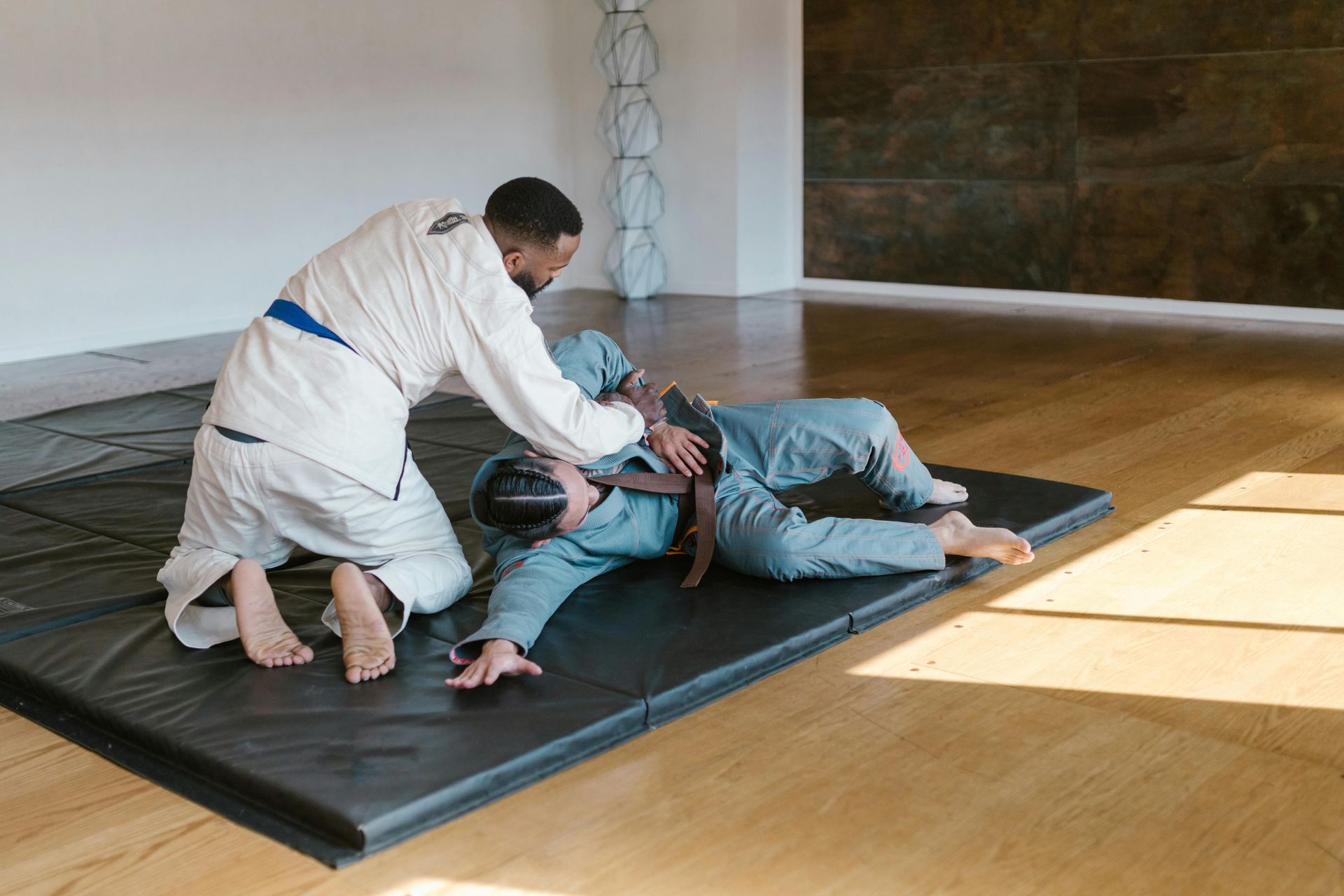
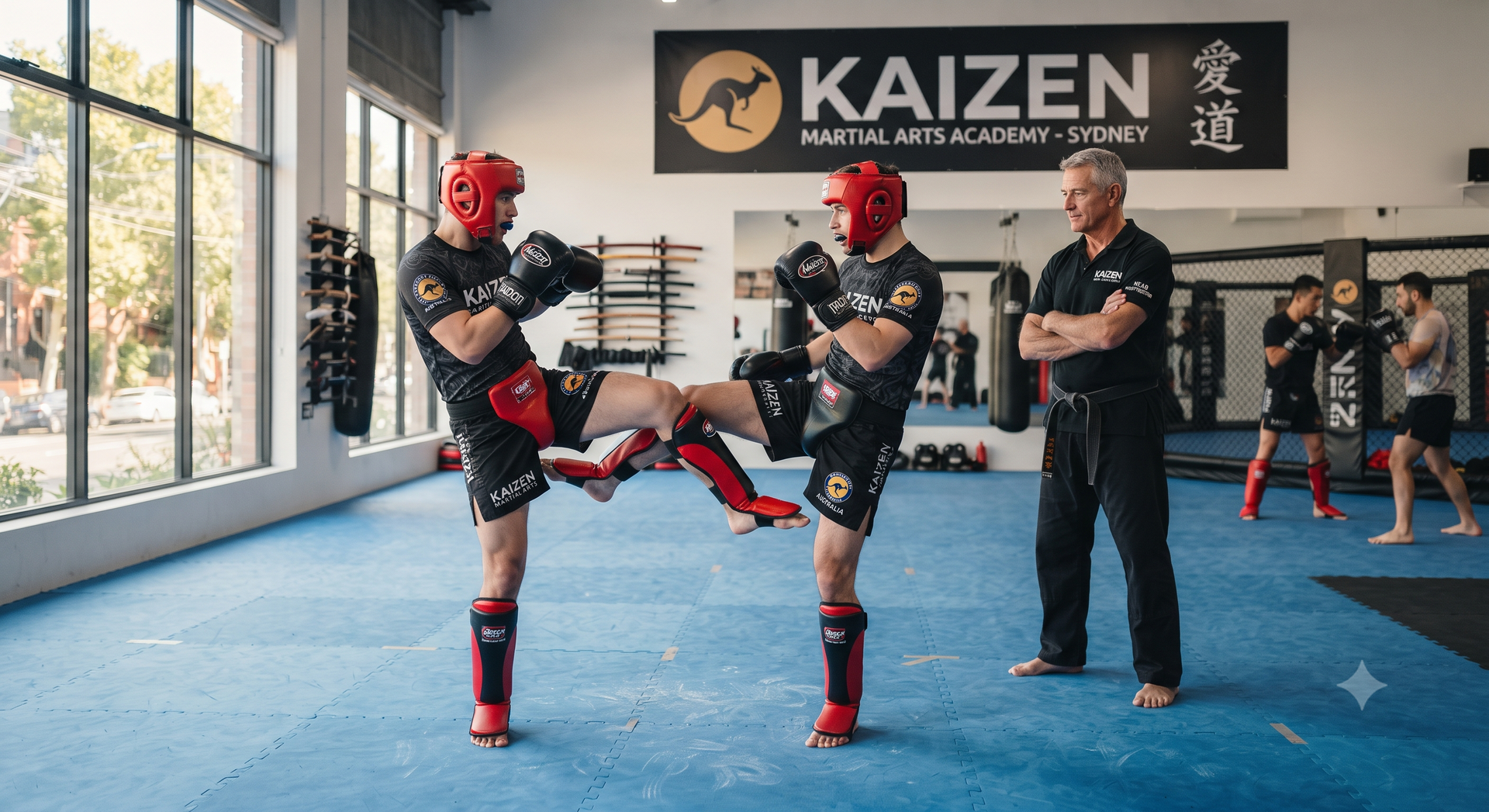
where contact, discipline, supervision, and progression are central to the service being delivered. Over many years working with instructors and academy owners across Australia, I’ve consistently seen one critical misunderstanding — the belief that a standard small business insurance policy is sufficient for a martial arts club.
It rarely is.
Below, I address the most common questions I receive from martial arts professionals regarding specialist insurance and why it matters.
Q: Isn’t a standard business insurance policy enough for a martial arts school?
In most cases, no.
Standard business insurance policies are typically designed for retail stores, offices, or service-based businesses with relatively low physical risk exposure. Martial arts schools operate in a completely different risk category. Training environments involve structured physical contact, throws, takedowns, striking drills, grappling, and physical conditioning.
Many generic insurers either:
- Exclude contact sports entirely
- Restrict coverage for combat-related activities
- Impose limitations that do not align with how martial arts classes are conducted
A policy may appear comprehensive in its summary, but unless martial arts instruction is clearly disclosed and accepted by the insurer, there is a significant risk of coverage gaps.
Q: What happens if a club relies on a generic policy?
The issue is not whether a claim will occur — it is whether the policy will respond when one does.
If a student sustains an injury during supervised sparring, or during a structured drill involving contact, the insurer will assess whether the activity falls within the defined scope of coverage. If martial arts instruction or contact training is excluded under the policy wording, the claim may be denied.
From a governance and risk management perspective, this exposes:
- The business entity
- Directors or committee members
- Instructors personally
A denied claim can lead to financial strain, reputational impact, and legal exposure.
Insurance should remove uncertainty — not introduce it.
Q: What makes specialist martial arts insurance different?
Specialist insurance is structured around how martial arts schools actually operate.
Through Martial Arts Australia Insurance Services (MAAIS), coverage arrangements are specifically tailored to reflect:
- Contact training and sparring
- Structured class instruction
- Gradings and belt promotions
- Demonstrations and seminars
- Competitions and events
- Instructor supervision obligations
Rather than attempting to fit martial arts into a generic policy category, specialist insurance begins with the assumption that contact training is core to the business model.
This alignment between operational reality and policy structure significantly reduces the risk of disputes at claim time.
Q: Why is proper disclosure so important?
Insurance contracts rely heavily on accurate disclosure.
If a club owner purchases a general “fitness” or “sports” policy but does not clearly state that the business involves martial arts instruction — particularly contact disciplines such as Brazilian Jiu-Jitsu, Karate, Taekwondo, Muay Thai, or MMA — the insurer may later argue that material facts were not disclosed.
That can invalidate coverage.
Specialist brokers familiar with the martial arts industry understand the terminology, the operational structure of dojos and academies, and the nuances between traditional forms training and full-contact sparring. That knowledge ensures the policy is correctly structured from the outset.
Q: Does specialist insurance only cover public liability?
No — and this is another common misconception.
Public liability insurance is critical. It protects against third-party claims for injury or property damage arising from negligence. However, a well-structured insurance framework for a martial arts school typically includes additional layers such as:
- Professional indemnity (for instructional advice and supervision)
- Personal accident cover for members or instructors
- Management liability for directors and committee members
- Property and contents insurance
- Cyber protection for membership data systems
A dojo is not simply a training space — it is an operating business with legal, financial, and governance responsibilities.
Q: Are smaller clubs really at risk?
Yes — and sometimes more so.
Smaller academies often operate with tighter margins and less administrative infrastructure. A single uninsured claim can have a disproportionate financial impact. Additionally, many smaller clubs are structured as incorporated associations, which means committee members may carry governance responsibilities that require protection.
Risk exposure is not determined by size — it is determined by activity.
Q: What about waivers? Don’t they protect the school?
Waivers are a valuable risk management tool, but they are not a substitute for insurance.
A waiver may assist in demonstrating informed consent and assumption of risk. However, if negligence is alleged — for example, inadequate supervision, unsafe facilities, or failure to manage foreseeable risk — a waiver alone may not prevent legal proceedings.
Insurance responds to the financial consequences of legal defence and potential settlements. Waivers are part of risk mitigation; insurance is part of risk transfer.
Both are necessary.
Q: What is your practical advice to martial arts school owners?
My advice is straightforward:
Do not assume that because a policy exists, it is appropriate.
Ask:
- Is martial arts instruction explicitly covered?
- Is contact training included without exclusion?
- Are competitions and seminars declared?
- Is professional indemnity included?
- Are directors protected under management liability where applicable?
If the policy wording does not clearly reflect your operations, it may not respond when needed.
Final Thoughts
Martial arts schools play a vital role in communities across Australia. They build discipline, confidence, resilience, and physical capability. As operators, instructors take their duty of care seriously.
Insurance should reinforce that responsibility — not undermine it through ambiguity.
Specialist martial arts insurance is not about paying more. It is about ensuring alignment between what you do on the mat and what your policy covers on paper.
That alignment is what provides genuine operational security.