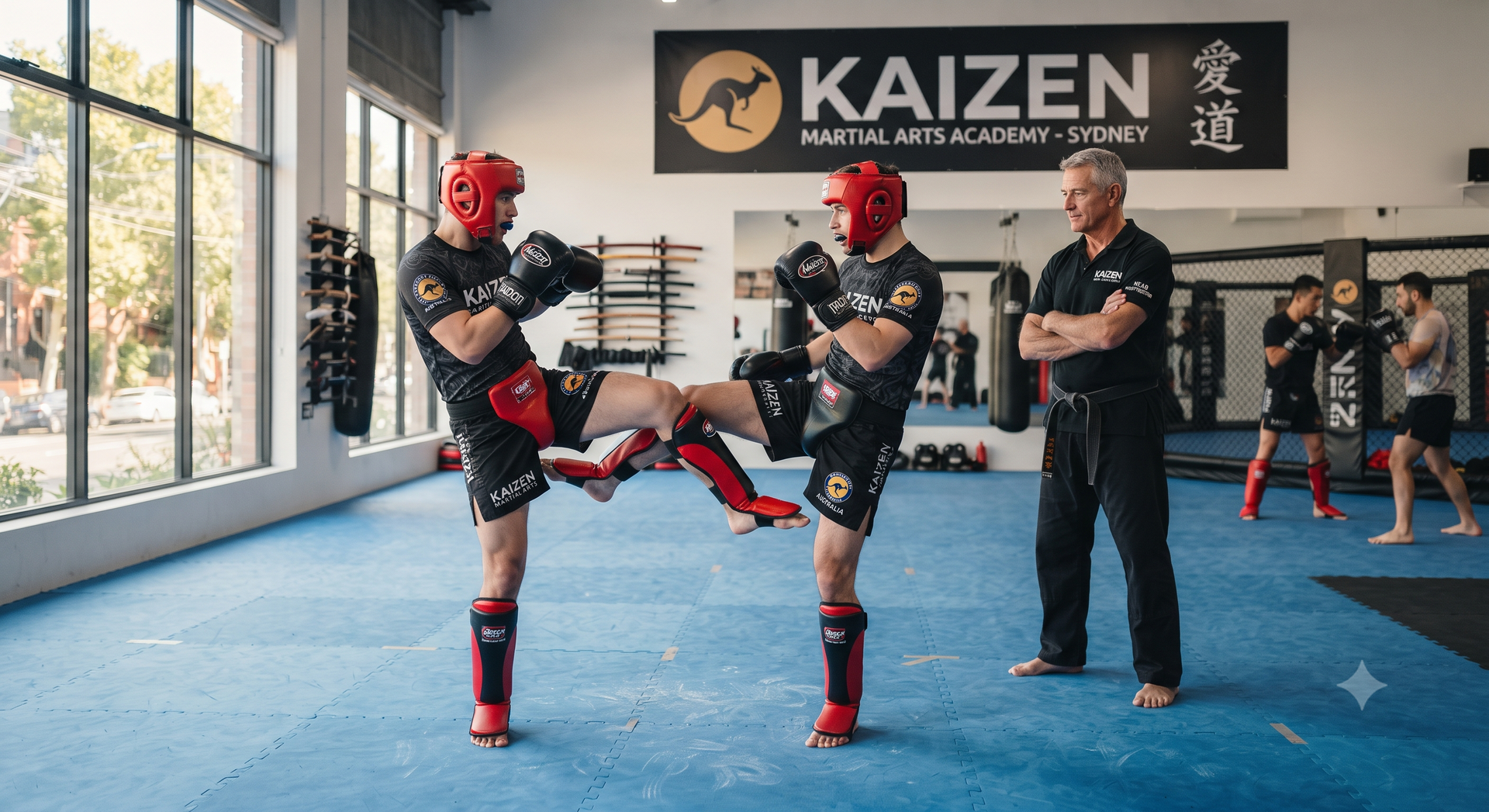
International travel is a significant part of the martial arts industry. Schools travel for tournaments, seminars, gradings, training camps, and international affiliations. While travel brings valuable opportunities for growth and exposure, it also introduces a unique layer of risk that many instructors and club owners underestimate.
Over the years, I have advised numerous martial arts teams and instructors preparing for overseas travel, and one recurring concern is whether standard travel insurance is sufficient. In most cases, it is not designed for the realities of martial arts activities.
Below are the most common questions I receive regarding martial arts travel insurance and what clubs should understand before travelling.
Q: Isn’t standard travel insurance enough for martial arts trips?
In many situations, no.
Standard travel insurance policies are typically structured for leisure travel, business trips, or low-risk recreational activities. Martial arts training and competitions often fall under “high-risk” or “contact sport” categories, which many mainstream travel insurers either exclude or severely restrict.
This means that if a student or instructor is injured during:
- Training sessions
- Sparring
- Competition bouts
- Demonstrations
- Intensive camps
the policy may not respond if the activity is classified as excluded.
From a technical insurance perspective, this creates a mismatch between declared travel purpose and actual activities undertaken abroad.
Q: Why do insurers restrict martial arts activities in travel policies?
The answer lies in risk classification.
Martial arts involves controlled physical contact, dynamic movement, and structured competition environments. Insurers assess these as higher-risk exposures compared to sightseeing or standard tourism. As a result, many generic travel policies include exclusions for combat sports, martial arts training, or competitive activities.
Even policies that advertise “sports coverage” often only apply to non-contact or recreational sports, not structured martial arts instruction or tournaments.
Without proper specialist cover, a claim arising from a training injury overseas could be declined due to policy exclusions.
Q: What makes martial arts travel insurance different?
Specialist martial arts travel insurance is structured specifically around how teams and instructors actually travel and train.
Through tailored arrangements, coverage can be designed to include:
- Training sessions overseas
- Sparring and contact drills
- International competitions
- Seminars and workshops
- Group team travel
- Coaching and instructional duties abroad
This approach removes the ambiguity found in generic travel policies and ensures the insurer is aware of the true nature of the trip.
Clarity at the underwriting stage significantly improves claim certainty later.
Q: Do teams really need dedicated travel insurance for competitions?
Absolutely.
When a team travels internationally, the exposure extends beyond individual travel risk. There are logistical, medical, and operational considerations. A single injury during competition can result in:
- Emergency medical treatment
- Hospitalisation overseas
- Travel disruption
- Accommodation extensions
- Repatriation costs
These expenses can be substantial and financially disruptive if not properly insured.
From a risk management standpoint, organised teams should never rely on individual, off-the-shelf travel policies without confirming coverage for martial arts participation.
Q: What about instructors travelling alone for seminars or teaching?
The same principles apply.
Instructors travelling overseas for seminars, grading panels, or guest teaching engagements are still performing professional duties in a martial arts capacity. If an injury occurs while demonstrating techniques or supervising training, a generic travel policy may argue that the activity was professional or high-risk in nature.
Specialist travel insurance acknowledges that instructors are not simply tourists — they are working professionals within a structured training environment.
Q: Is medical disclosure always required for martial arts travel cover?
Depending on the structure of the policy, group travel insurance arrangements may simplify the disclosure process compared to individual retail travel policies. This can be particularly beneficial for teams travelling together, as administrative complexity is reduced.
However, transparency remains essential. Accurate trip details, destinations, duration, and planned activities should always be clearly communicated when arranging coverage.
Proper disclosure ensures the policy is aligned with the travel purpose and avoids disputes during claims assessment.
Q: Can travel insurance cover event cancellations or disruptions?
Yes, in many structured policies, event-related protections can be included.
Martial arts travel often involves prepaid costs such as:
- Tournament registration fees
- Flights and accommodation
- Training camp bookings
- Equipment transport
- Seminar attendance
If unforeseen circumstances prevent participation, specialised travel cover may provide financial protection against certain losses, subject to policy terms and conditions.
This is particularly important for clubs investing significant funds into international events.
Q: What are the biggest risks clubs overlook when travelling?
From my professional observations, the most overlooked risks include:
- Assuming domestic insurance applies internationally
- Not declaring competition participation
- Relying on personal travel insurance for group activities
- Failing to confirm coverage for contact training
- Underestimating overseas medical costs
Medical treatment abroad can be extremely expensive, and without appropriate insurance, the financial burden may fall directly on the individual or the club.
Q: Does travel insurance replace liability insurance?
No, they serve different purposes.
Travel insurance primarily addresses medical emergencies, travel disruptions, and personal risks while overseas. Liability insurance, on the other hand, relates to legal claims arising from negligence or operational responsibilities.
For martial arts professionals travelling internationally, both forms of protection may be relevant depending on the nature of the trip.
A comprehensive risk framework considers medical exposure, professional activity, and organisational responsibility.
Q: What is your professional advice for martial arts clubs planning overseas travel?
My advice is simple and strategic: plan insurance with the same discipline you apply to training preparation.
Before travelling, confirm:
- The exact nature of activities covered
- Inclusion of training and competition
- Group versus individual coverage structure
- Medical and emergency protection limits
- Trip duration and geographic scope
Do not assume coverage based on marketing summaries. Always review policy wording in the context of martial arts participation.
Final Thoughts
International travel is an enriching experience for martial arts students and instructors. It builds skill, exposure, and global connection within the martial arts community. However, it also introduces complex insurance considerations that should not be treated casually.
Specialist martial arts travel insurance ensures that when teams train, compete, and represent their schools overseas, their protection framework reflects the realities of their activities — not generic assumptions about travel behaviour.
From a professional insurance standpoint, the objective is not merely to have a policy in place, but to have one that is appropriately aligned with the operational risks of martial arts travel.
That alignment provides clarity, confidence, and continuity for instructors, students, and organisations alike.