Operating a martial arts academy involves more than delivering quality instruction. Behind every structured class is a business environment that includes physical training, student supervision, facility management, and ongoing operational responsibility. Because martial arts training is inherently active and often contact-based, insurance considerations for academies and dojos differ significantly from those of standard service businesses.
For school owners across Australia, understanding how insurance aligns with real training environments is not just about compliance. It is about protecting the sustainability of the academy, supporting responsible instruction, and ensuring that operational risks are properly considered as the school grows.
The Operational Reality of Martial Arts Schools
Martial arts academies are unique training environments where physical interaction, structured drills, and progressive skill development occur daily. Unlike traditional educational settings or office-based businesses, instructors manage active movement, partner engagement, and varying student skill levels within the same class structure.
Typical academy operations may include:
- Beginner and advanced classes
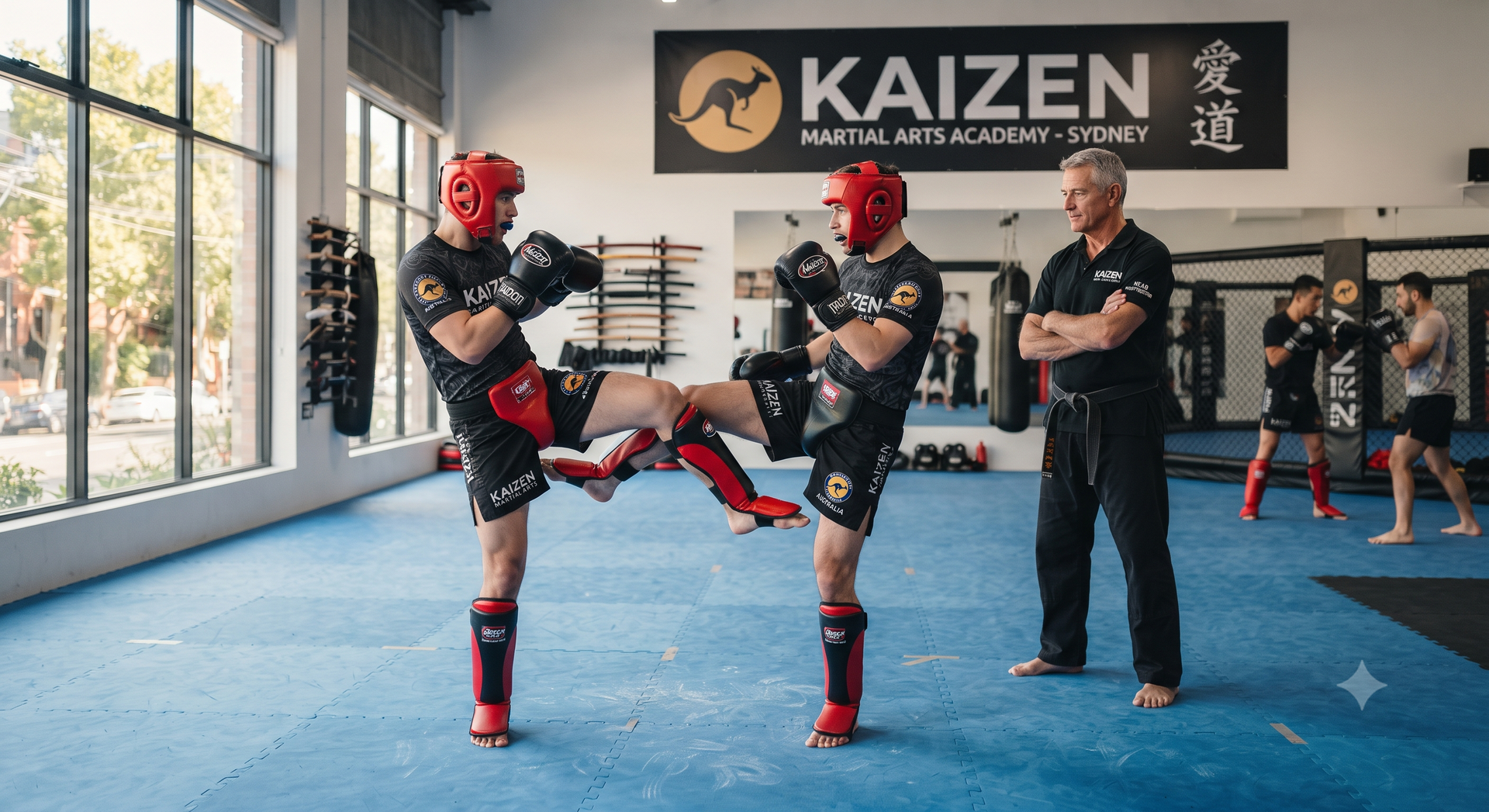
- Contact and non-contact training
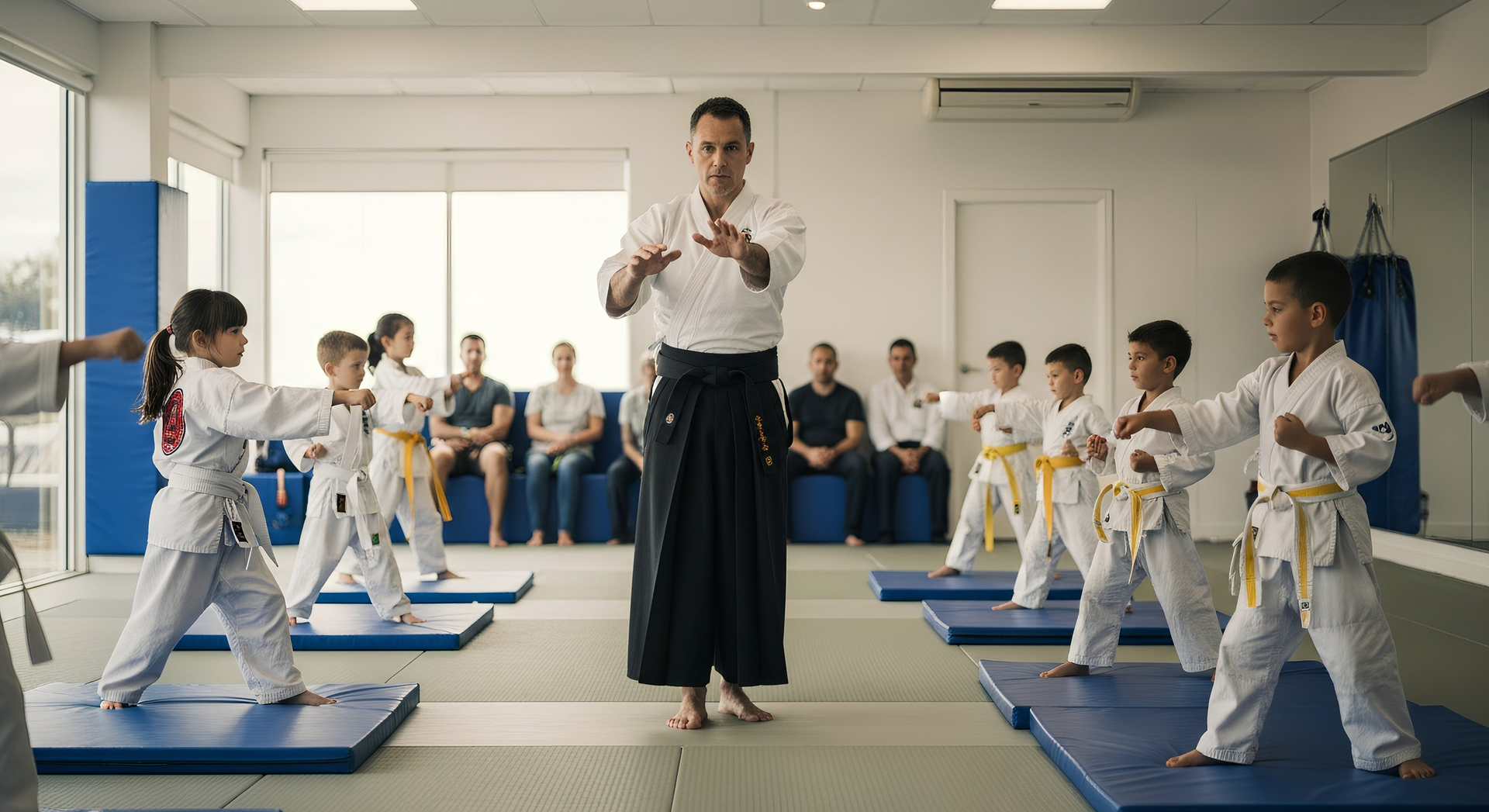
- Children’s and adult programs
- Gradings and demonstrations
- Seminars and workshops
- Competition-focused training sessions
Each of these activities contributes to a layered operational risk profile that requires thoughtful planning and appropriate safeguards.
Why Insurance Considerations Are Different for Martial Arts Academies
Martial arts instruction involves physical coaching, technical correction, and supervised contact. Even in disciplined environments, the likelihood of accidental injury is naturally higher compared to low-activity business models.
Insurance considerations must reflect:
- Physical instruction methods
- Class supervision standards
- Training intensity levels
- Facility usage patterns
- Student demographics
Generic business policies may not always fully account for how martial arts classes are actually conducted. This is why academy owners are encouraged to ensure their coverage aligns with the realities of dojo operations rather than relying on broad, non-specialised policies.
Q: Is martial arts considered a higher-risk activity from an operational standpoint?
Yes. The combination of physical contact, movement-based training, and instructor-led demonstrations increases the complexity of risk compared to non-physical services.
Public Liability in a Martial Arts Training Environment
Public liability is one of the most relevant considerations for martial arts schools due to the nature of student participation and facility usage. Academies welcome students, parents, and visitors into active training spaces where movement and physical engagement are ongoing.
Potential exposure scenarios may include:
- A student being accidentally injured during drills
- A parent slipping in the viewing or training area
- Visitors attending demonstrations or events
- Incidents occurring during seminars or open classes
Even when classes are properly supervised, unforeseen incidents can still occur. Public liability considerations help address claims arising from injury or property damage connected to business activities.
Professional Indemnity and Instruction-Based Responsibility
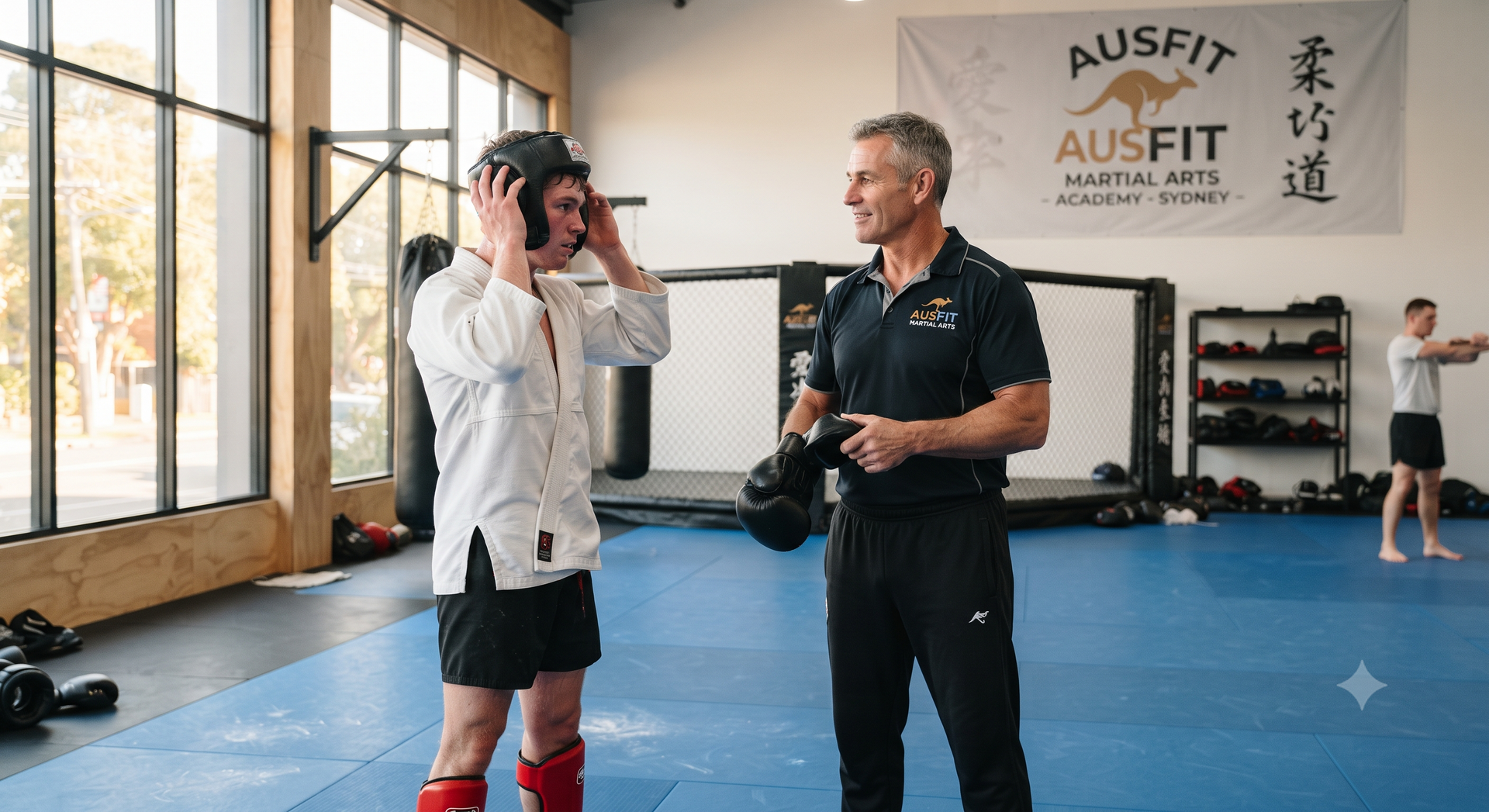
Martial arts instructors provide professional guidance, structured coaching, and technical instruction. This creates a professional service element within academy operations.
Instruction-based risks may arise from:
- Misinterpretation of a demonstrated technique
- Students performing techniques incorrectly
- Training advice being followed outside supervised classes
- Progression into advanced techniques without adequate preparation
Professional indemnity considerations become relevant where claims relate to instructional guidance rather than solely physical incidents.
Q: Does teaching martial arts count as providing a professional service?
Yes. Instruction, coaching advice, and technical demonstrations all fall within the scope of professional services in a training environment.
Facility Type and Its Influence on Risk Profile
Not all martial arts academies operate under the same facility conditions. Some schools run classes from community centres or shared venues, while others operate from full-time leased or owned training facilities.
Each setup carries different operational considerations.
For example:
- Community hall setups may involve temporary mat installations and shared space risks
- Permanent facilities require ongoing maintenance and equipment management
- Larger academies may host multiple classes simultaneously
- High-traffic facilities increase exposure to public incidents
Insurers and risk assessors often consider how a facility is used, how frequently classes run, and the volume of participants when evaluating overall risk exposure.
The Role of Training Intensity and Style
Different martial arts styles have varying levels of contact, physical engagement, and competitive focus. This variation can influence insurance considerations and operational risk planning.
Factors that may affect risk evaluation include:
- Full-contact vs controlled-contact training
- Grappling and takedown techniques
- Weapons training (where applicable)
- Competition sparring programs
- Conditioning and high-intensity drills
Schools that clearly structure their classes and maintain progressive training systems often demonstrate stronger risk management practices.
Children’s Classes and Additional Considerations
Children’s martial arts programs are a major component of many academies in Australia. These programs require enhanced supervision, structured lesson planning, and clear safety protocols due to the developmental needs of younger students.
Operational considerations for children’s classes include:
- Age-appropriate instruction
- Behavioural supervision
- Safe partner matching
- Controlled contact levels
- Parent communication and observation
Q: Do academies with children’s programs face additional responsibility?
Yes. Working with minors requires heightened supervision standards and carefully structured class environments.
Diversified Academies and Blended Business Models
Modern martial arts schools are increasingly evolving into multi-service facilities. It is now common for academies to incorporate:
- Strength and conditioning areas
- Fitness equipment zones
- Obstacle training spaces
- Retail sections
- Café or lounge areas
- Child minding services
This diversification, often referred to as “blending,” changes how a business operates and may introduce additional operational exposures.
For instance, adding a gym section introduces equipment-related risks, while child minding services require additional supervision protocols. Each added service should be clearly reflected in operational planning and insurance considerations to ensure activities are appropriately acknowledged.
Incident Reporting and Preparedness in Martial Arts Schools
Preparedness is a key indicator of a professionally managed academy. While prevention is always the priority, schools should also be prepared to respond effectively if incidents occur.
Key preparedness measures include:
- Documented incident reporting procedures
- Staff awareness of emergency response protocols
- First aid readiness
- Clear communication channels
- Accurate record-keeping of incidents and class activities
Having structured systems in place supports responsible school management and demonstrates a proactive approach to student safety.
The Importance of Accurate Business Disclosure
One of the most overlooked aspects of insurance planning for martial arts academies is accurate disclosure of business activities. Insurers rely on detailed operational information to ensure coverage reflects how the school actually functions.
Important disclosures may include:
- Types of martial arts taught
- Contact level of training
- Number of instructors
- Class frequency
- Additional services offered
- Facility ownership or rental arrangements
Failure to disclose diversified activities or operational changes may result in gaps between the policy structure and real-world operations.
Q: Why is full disclosure important for martial arts academies?
Because insurers assess risk based on how the business operates. Incomplete information may lead to coverage limitations that do not fully align with academy activities.
Growth, Expansion, and Evolving Risk Exposure
As martial arts academies grow, their operational complexity increases. Expansion may involve hiring additional instructors, introducing new programs, or moving into larger facilities.
Growth-related factors that influence insurance considerations include:
- Higher student enrolment
- More frequent class schedules
- Advanced training programs
- Events and seminars
- Multiple training zones within one facility
Regularly reviewing operational structure alongside insurance considerations helps ensure that coverage remains aligned with the scale of the academy.
Professional Credibility and Industry Expectations
In the martial arts industry, professionalism extends beyond technical expertise. Parents, students, and industry bodies often expect academies to operate with structured policies, safety systems, and responsible risk management practices.
Appropriate insurance considerations contribute to:
- Business credibility
- Student and parent confidence
- Operational stability
- Industry alignment
- Long-term sustainability
- Academies that adopt a proactive approach to risk and operational planning are generally better positioned to manage incidents and maintain continuity.