Martial arts instruction is built on discipline, structure, and controlled progression. However, behind every well-run class is a layer of responsibility that extends beyond teaching techniques. School owners and instructors are responsible not only for skill development, but also for student safety, supervision standards, and the operational environment in which training takes place.
Unlike many other service-based businesses, martial arts schools operate in a physical, contact-based setting. This naturally introduces a higher level of risk exposure that must be managed through structured instruction, clear policies, and professional operational planning. Understanding responsibility in this context is essential for maintaining both safety and long-term sustainability.
For academies across Australia, this responsibility becomes even more important as student numbers grow, programs expand, and facilities diversify.
The Nature of Risk in Martial Arts Training Environments
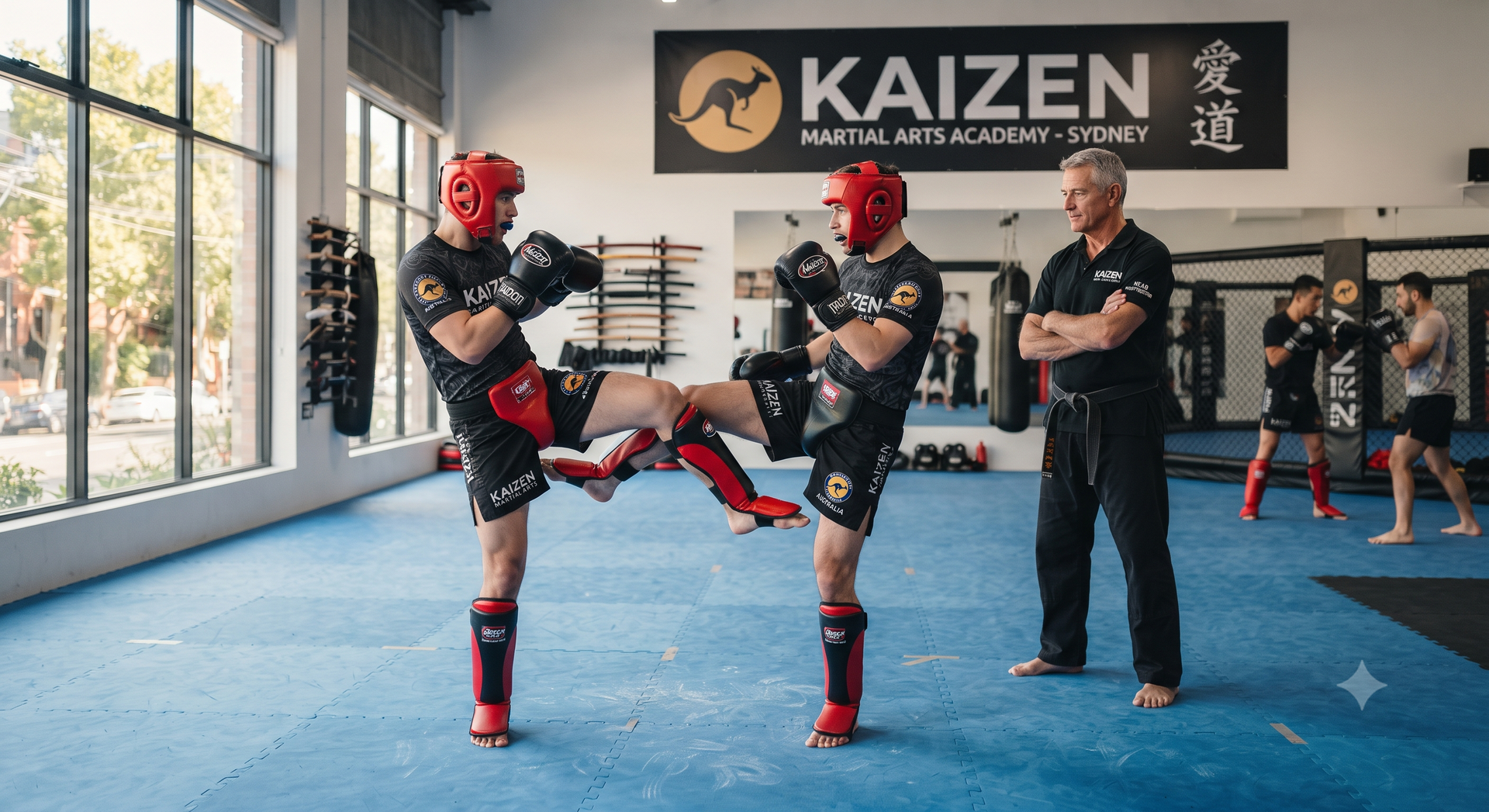
Martial arts training is dynamic by design. Classes often involve partner drills, controlled sparring, demonstrations, and progressive physical engagement. Even in highly disciplined environments, movement-based training carries inherent risk.
Common training elements that influence risk exposure include:
- Contact sparring sessions
- Grappling and throws
- Weapons demonstrations (in some disciplines)
- Self-defence scenario training
- High-energy children’s classes
- Gradings and performance assessments
Each of these activities requires active supervision, structured delivery, and clear safety protocols.
While martial arts emphasise control and respect, instructors must still anticipate the unexpected. A beginner may misjudge distance during drills, a student may lose balance during a takedown, or fatigue may affect coordination during advanced training.
Duty of Care in Martial Arts Instruction
Duty of care is a fundamental concept in professional instruction. In a martial arts setting, this means instructors must take reasonable steps to provide a safe and structured learning environment for all participants.
This includes:
- Delivering age-appropriate instruction
- Monitoring student capability and progression
- Maintaining safe class ratios
- Providing clear technique demonstrations
- Intervening when training becomes unsafe
Duty of care does not require eliminating all risk, which is unrealistic in martial arts. Instead, it focuses on reducing preventable harm through responsible teaching practices and operational awareness.
Q: Does duty of care apply even during controlled sparring?
Yes. Even in controlled sparring, instructors are expected to supervise intensity levels, match students appropriately, and enforce safety rules throughout the session.
Instructor Responsibility Beyond Technique Teaching
Many instructors focus heavily on curriculum and skill development, but responsibility extends further into operational oversight. A well-structured class is not only technically sound but also risk-aware.
Instructor responsibilities often include:
- Ensuring warm-ups reduce injury risk
- Monitoring student fatigue and condition
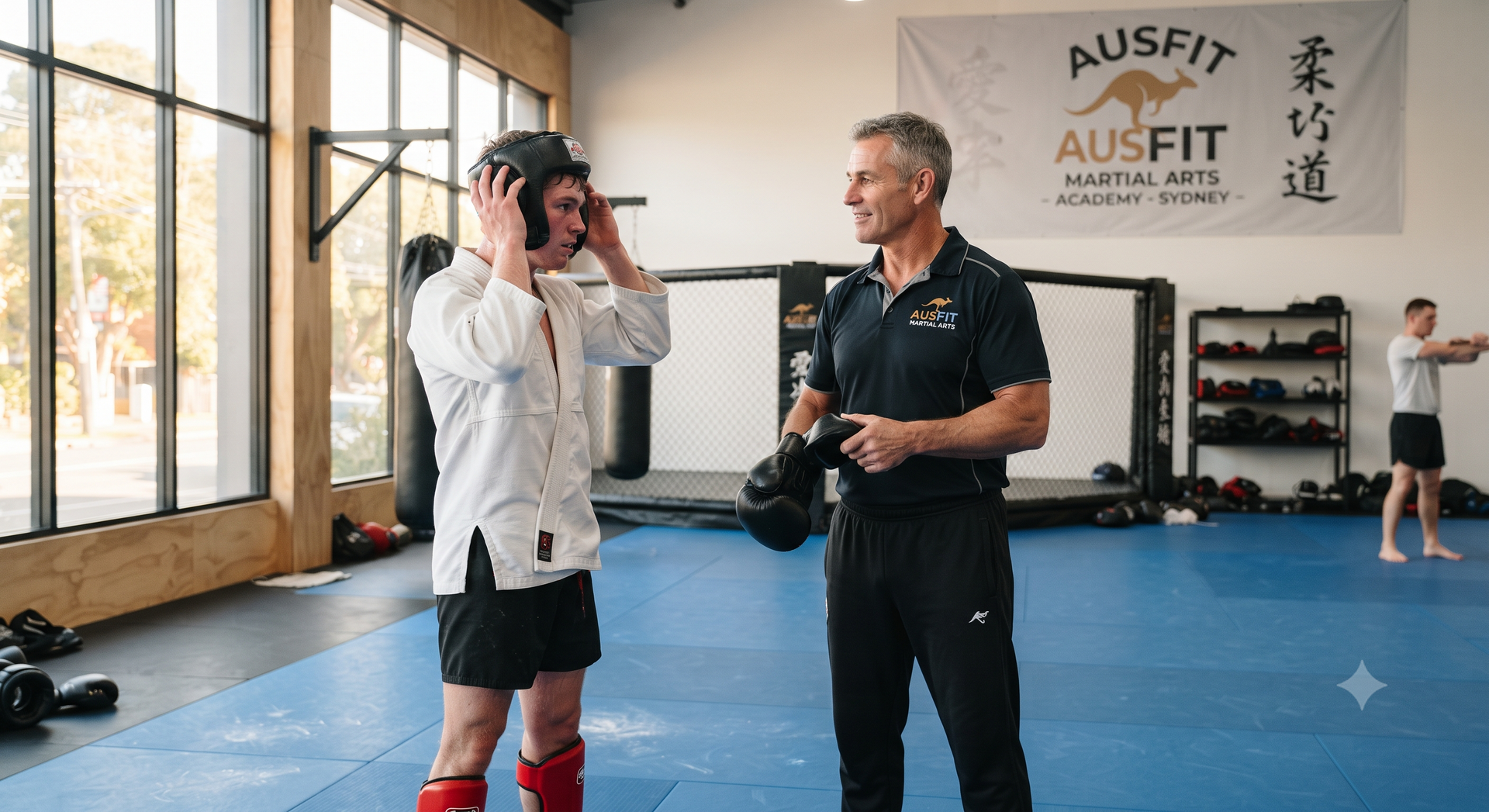
- Enforcing protective equipment use
- Managing behavioural discipline
- Structuring drills based on experience level
This becomes especially important in mixed-level classes where beginners and advanced students train in the same environment.
Supervision Standards in Group Classes
Group martial arts classes require constant situational awareness. Unlike one-on-one coaching, instructors must simultaneously observe multiple students performing techniques at different levels of proficiency.
Risks may increase when:
- Class sizes exceed manageable supervision levels
- Students practice unsupervised partner drills
- New students join high-intensity sessions
- Complex techniques are introduced too early
Maintaining appropriate instructor-to-student ratios helps reduce these risks and supports safer skill progression.
Q: Are larger classes considered higher risk?
They can be. Larger groups require stronger class management, clearer instruction, and more active supervision to maintain safety standards.
Children’s Programs and Elevated Responsibility
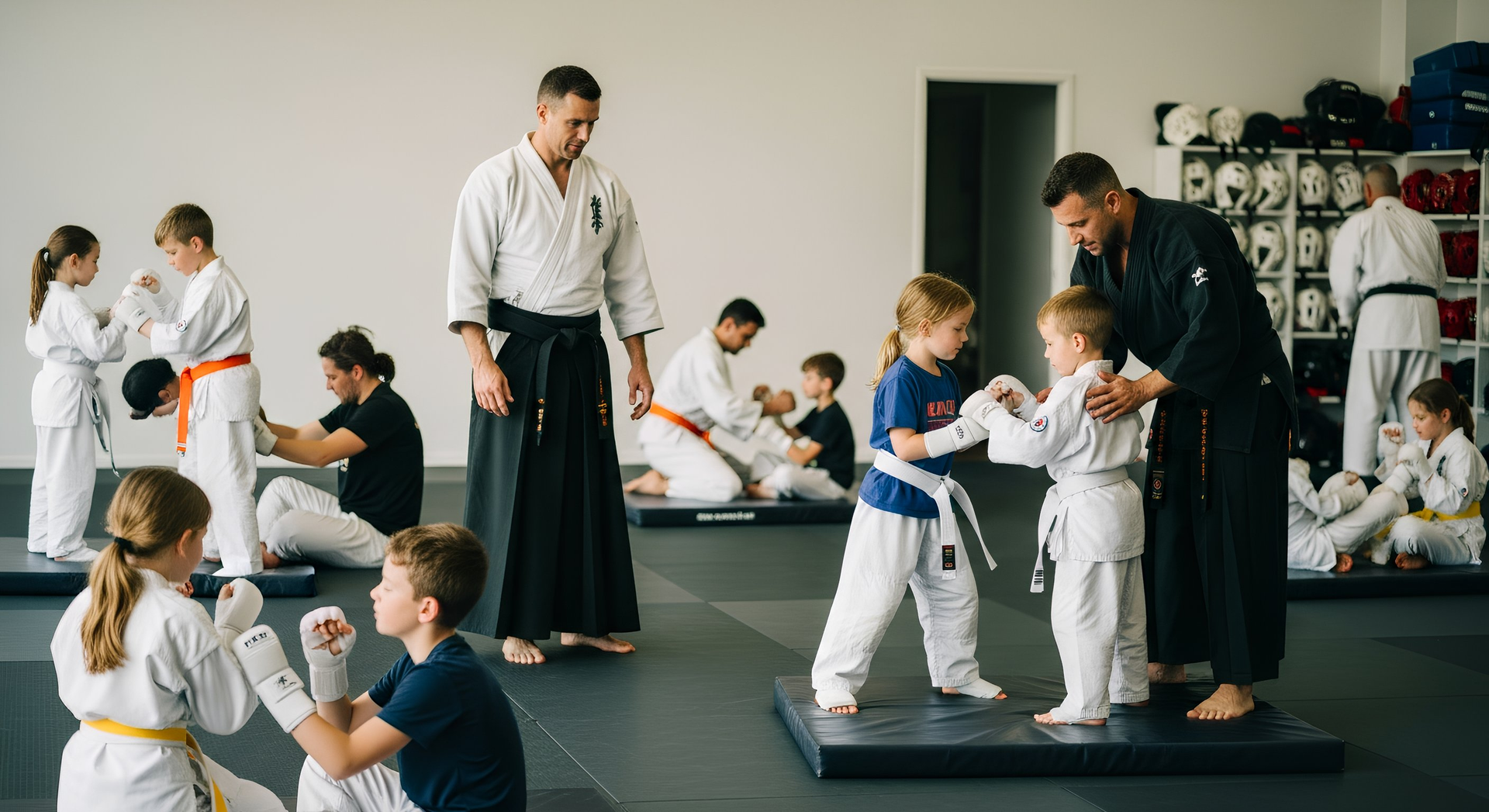
Children’s martial arts programs are a core offering for many Australian academies. While these programs provide discipline, confidence, and physical development, they also require enhanced supervision and structured safety measures.
Key considerations in children’s classes include:
- Age-appropriate drills and contact levels
- Close supervision during partner work
- Safe behavioural management
- Clear communication with parents
- Consistent class structure
Younger students may have less coordination and impulse control, which increases the importance of instructor attentiveness and controlled training environments.
Facility Management and Operational Responsibility
Responsibility in martial arts schools extends beyond the mat. The physical training environment plays a major role in safety outcomes and incident prevention.
Operational factors that require attention include:
- Mat condition and maintenance
- Adequate training space
- Equipment storage and safety
- Cleanliness and hygiene standards
- Safe entry and exit areas
Schools operating from community halls, shared venues, or full-time facilities each face different operational considerations. For example, temporary setups may require additional equipment checks before each session, while permanent facilities must maintain ongoing safety standards.
The Impact of Training Style and Intensity
Not all martial arts disciplines carry the same training intensity. Some styles involve full-contact sparring, while others emphasise forms, technique control, or light-contact drills. Risk exposure can vary depending on the nature of training and class structure.
Factors that influence training risk include:
- Level of physical contact
- Use of protective equipment
- Competition-focused programs
- Advanced technique demonstrations
- Instructor intervention frequency
Understanding these variables allows school owners to implement appropriate safety and supervision measures tailored to their discipline.
Waivers, Policies, and Realistic Risk Management
Many martial arts schools use waivers and safety agreements as part of their enrolment process. While these documents support transparency and risk awareness, they should not be viewed as a replacement for responsible operational practices.
Waivers help:
- Inform students of inherent training risks
- Establish expectations around participation
- Support administrative documentation
However, they do not remove the instructor’s responsibility to deliver safe and structured classes.
Q: Do safety policies reduce operational risk?
Yes. Clear safety rules, structured class protocols, and documented procedures significantly contribute to safer training environments.
Diversification and “Blended” Martial Arts Facilities
Modern martial arts academies are increasingly diversifying their services. Many schools now incorporate additional offerings such as strength training areas, fitness equipment, obstacle training zones, or child minding services.
This blending of services changes the operational risk profile of the academy.
For example:
- A dojo with a gym section introduces equipment-related risks
- A café area adds public liability exposure
- Child minding services require additional supervision considerations
- Obstacle or conditioning zones increase movement-based risk
As facilities evolve, operational responsibility must adapt accordingly to ensure all activities are appropriately managed.
Incident Preparedness and Professional School Management
Even in well-run academies, incidents can occur. Preparedness is a key component of responsible school ownership. Having structured procedures for handling injuries, complaints, or unexpected events helps protect both students and the business.
Prepared academies often have:
- Incident reporting procedures
- First aid readiness
- Clear communication protocols
- Staff training on emergency response
- Documented class safety guidelines
These systems demonstrate professionalism and reinforce a commitment to student welfare.
Supporting Long-Term Sustainability in Martial Arts Schools
Responsible instruction is closely linked to long-term business sustainability. Schools that prioritise structured supervision, operational awareness, and professional risk management are better positioned for growth and stability.
As academies expand into multiple classes, seminars, competitions, and larger student communities, the level of responsibility naturally increases. Proactive planning allows school owners to maintain consistent safety standards while scaling their operations.
Q: Why is structured risk planning important for growing academies?
- Growth introduces more students, instructors, and activities, which increases operational complexity and the need for stronger safety and management systems.