Contact training is a core component of many martial arts disciplines. Whether through controlled sparring, partner drills, grappling, or self-defence applications, physical interaction is an essential part of skill development. However, with contact training comes an elevated level of responsibility that instructors and school owners must actively manage.
Duty of care in martial arts is not about eliminating all risk. Instead, it is about creating a structured, supervised, and professionally managed training environment where risks are reasonably controlled and students are guided safely through progressive learning stages. For academies across Australia, maintaining this balance is a defining characteristic of responsible instruction and long-term operational credibility.
Understanding Duty of Care in Martial Arts Instruction
Duty of care refers to the legal and professional responsibility instructors have to take reasonable steps to ensure student safety during training activities. In martial arts settings, this responsibility extends to class structure, supervision, technique progression, and the overall safety culture of the academy.
Because martial arts involve physical contact, instructors must remain attentive to:
- Student skill levels
- Training intensity
- Physical conditioning
- Behaviour and discipline
- Safe execution of techniques
Even highly experienced students require supervision during contact training, as fatigue, misjudgement, or timing errors can still lead to accidental injury.
The Nature of Contact Training in Martial Arts Classes
Contact training varies significantly depending on the discipline, curriculum, and student level. Some schools emphasise light-contact technical sparring, while others incorporate full-contact drills as part of advanced development.
Common forms of contact training include:
- Controlled sparring sessions
- Partner drills and pad work
- Grappling and takedowns
- Self-defence scenario training
- Competition preparation
Each of these training methods requires structured supervision and clear safety protocols to ensure that contact remains controlled and purposeful rather than uncontrolled or unsafe.
Q: Is contact training inherently high risk?
Contact training carries inherent risk due to physical interaction, but structured supervision, protective equipment, and progressive instruction significantly reduce preventable incidents.
Supervision Standards During Sparring and Partner Drills
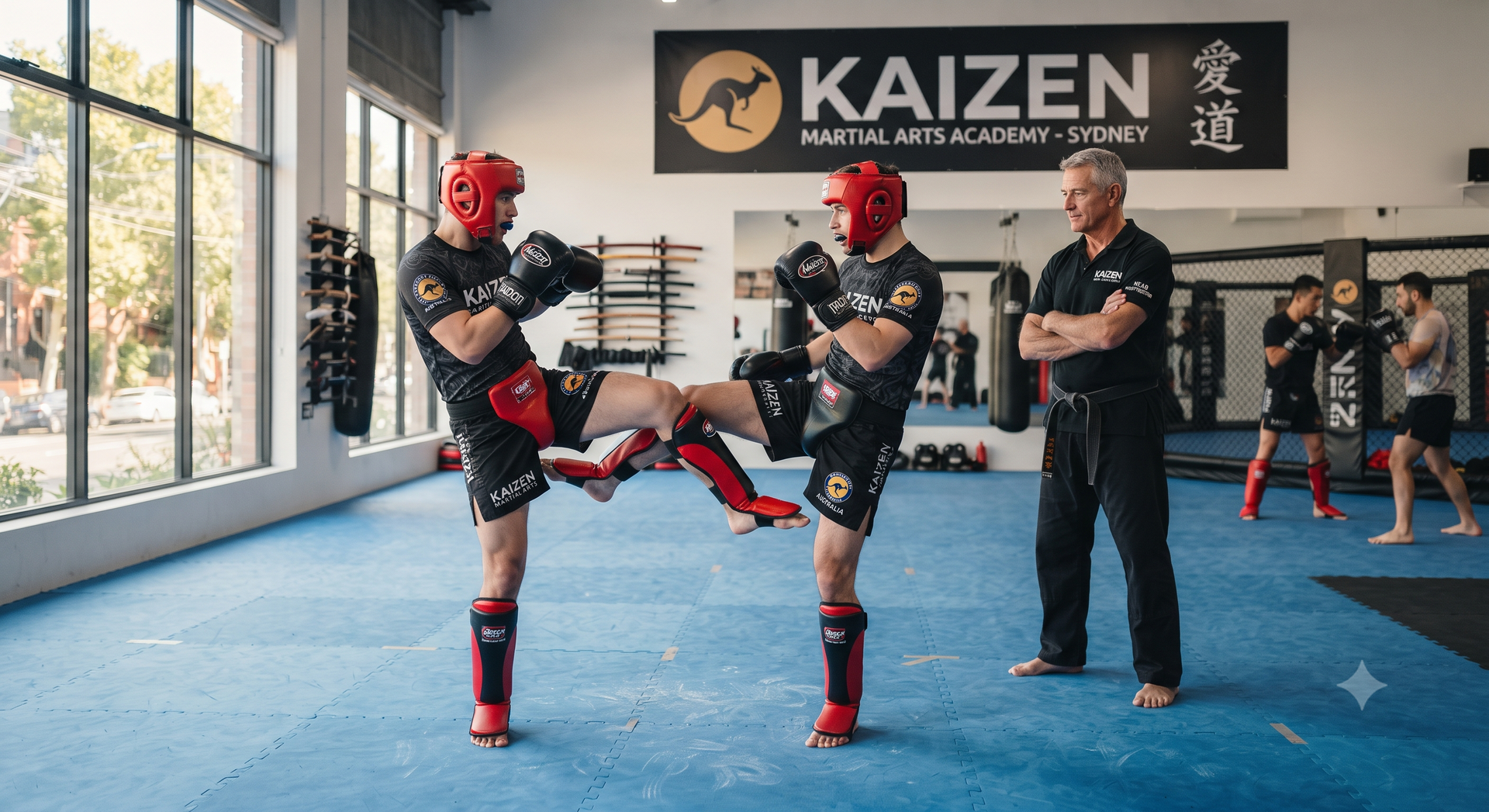
Active supervision is one of the most important aspects of duty of care in contact-based martial arts classes. Instructors must monitor not only technique execution but also student behaviour, intensity levels, and pairing suitability.
Effective supervision involves:
- Matching students by size, experience, and skill level
- Monitoring intensity during sparring rounds
- Intervening when techniques are executed unsafely
- Providing immediate corrective instruction
- Maintaining visibility across the training area
Large or unsupervised sparring sessions increase the likelihood of avoidable incidents, particularly in mixed-level classes.
Progressive Instruction and Skill Development
One of the key responsibilities of martial arts instructors is ensuring that students progress through techniques at an appropriate pace. Introducing advanced contact techniques too early can elevate risk and reduce control during training.
Progressive instruction includes:
- Teaching foundational movements before advanced drills
- Ensuring students understand safety rules
- Gradually increasing contact intensity
- Reinforcing control and discipline
- Conducting structured warm-ups and conditioning
This staged approach supports both safety and long-term skill retention.
Q: Why is progressive training important for duty of care?
Because students who are not physically or technically prepared for contact training may be more prone to injury during drills or sparring.
Children’s Contact Training and Enhanced Responsibility
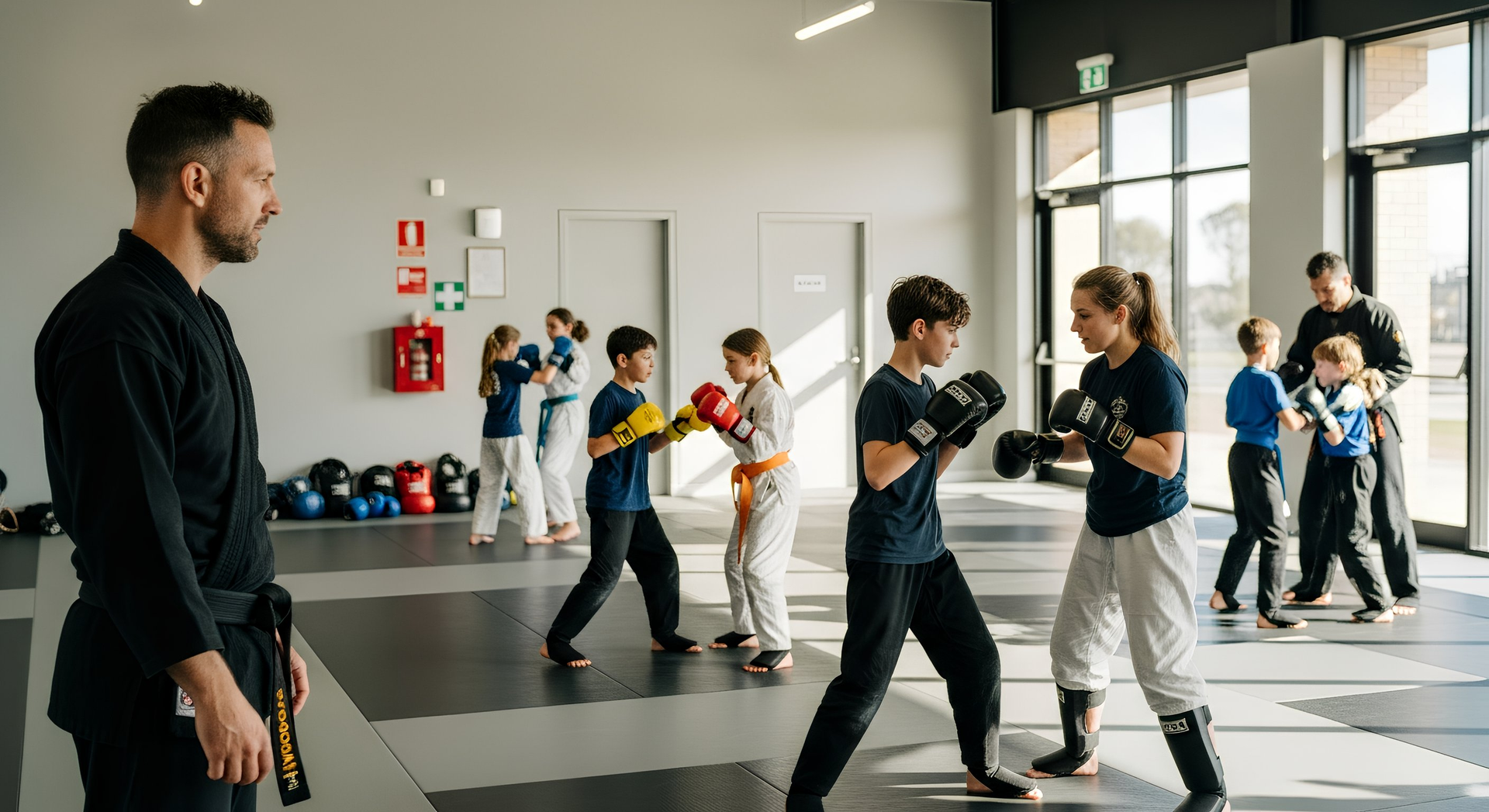
Children’s martial arts programs require a particularly high level of supervision during contact activities. Younger students may have limited coordination, impulse control, and physical awareness compared to adults.
Important considerations in children’s contact training include:
- Strictly controlled contact levels
- Age-appropriate drills
- Close instructor monitoring
- Clear behavioural rules
- Immediate intervention when safety rules are breached
Parents and guardians also expect visible supervision and structured class management, which reinforces the academy’s professionalism and commitment to student welfare.
Instructor Positioning and Situational Awareness
Instructor positioning within the training space plays a critical role in maintaining safety during contact sessions. Standing in a fixed position while multiple pairs train can reduce visibility and delay intervention when needed.
Best practices often include:
- Moving actively across the training floor
- Maintaining clear sightlines of all training pairs
- Positioning strategically during sparring rounds
- Monitoring high-intensity drills more closely
Situational awareness allows instructors to detect unsafe patterns early and respond before minor issues escalate.
Protective Equipment and Safety Protocols
Protective equipment is an important component of risk management in contact training. While equipment does not eliminate injury risk, it helps reduce the severity of impacts during drills and sparring.
Common protective gear may include:
- Gloves and shin guards
- Mouthguards
- Headgear (where applicable)
- Chest protectors
- Mat flooring and padding
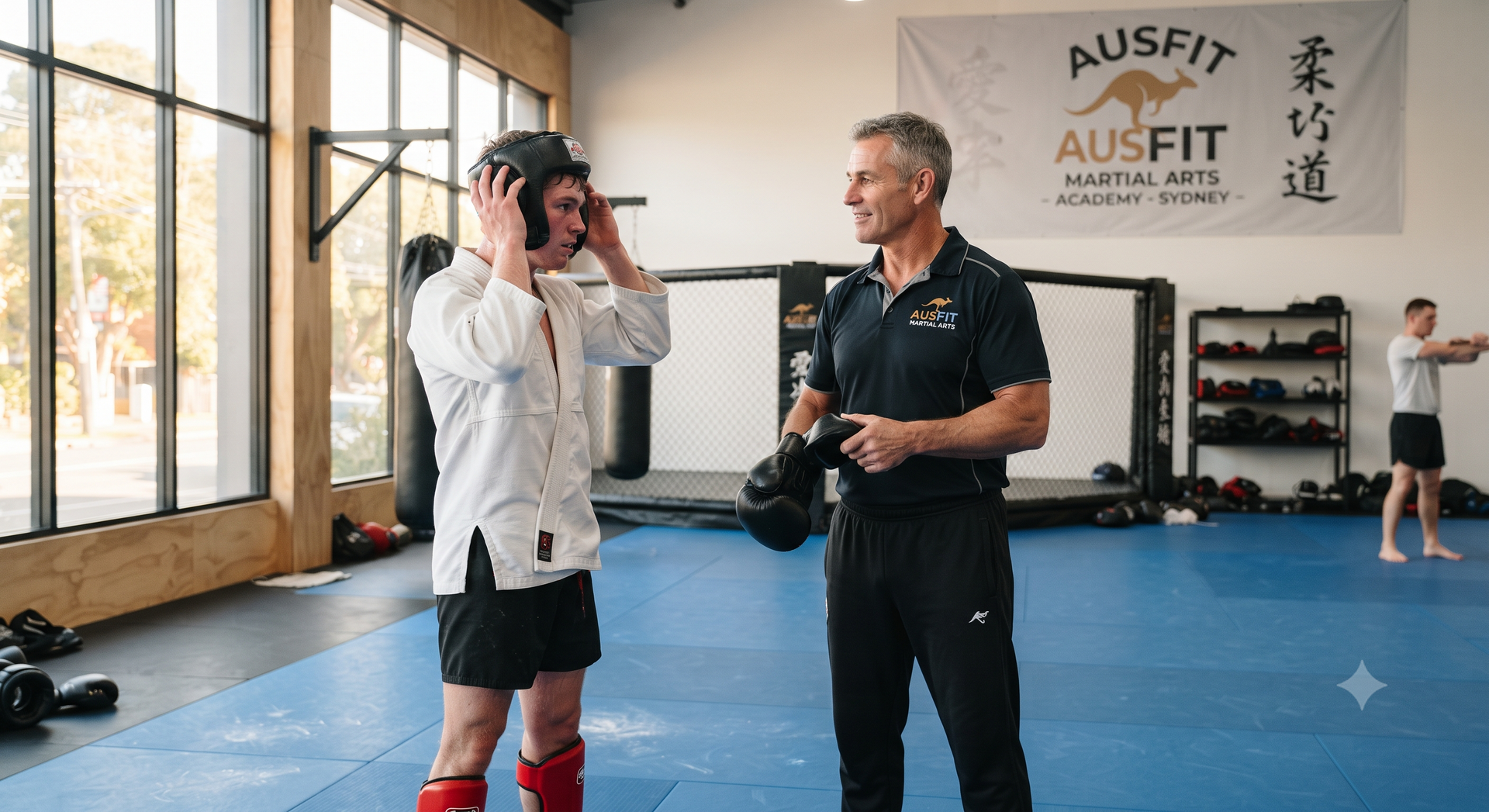
Instructors are responsible for ensuring that equipment is appropriate, properly fitted, and used consistently during applicable training sessions.
Q: Does protective equipment remove liability concerns?
No. Protective equipment reduces impact risk but does not replace the need for supervision, structured drills, and proper instruction.
Behavioural Management and Discipline in Contact Classes
Martial arts culture emphasises respect, discipline, and control. These values are not only philosophical but also essential for maintaining safety in contact training environments.
Behavioural risks may arise when:
- Students ignore safety instructions
- Competitive intensity becomes excessive
- Beginners attempt advanced techniques
- Horseplay occurs during drills
Clear behavioural expectations and consistent enforcement of dojo rules help create a safer training atmosphere for all participants.
Documentation, Policies, and Operational Consistency
Professional martial arts academies often implement structured policies to support duty of care and operational consistency. These policies reinforce safety expectations and guide instructors in managing classes responsibly.
Key operational policies may include:
- Sparring guidelines
- Instructor supervision protocols
- Incident reporting procedures
- Equipment usage rules
- Student progression frameworks
Documented policies demonstrate a proactive approach to safety and responsible instruction.
Incident Management in Contact Training Environments
Even in well-supervised classes, incidents can occur. Preparedness is an important aspect of duty of care and reflects professional academy management.
Effective incident management includes:
- Immediate response to injuries
- Accurate documentation of incidents
- Clear communication with students or parents
- Reviewing training procedures if necessary
- Maintaining first aid readiness
Having structured procedures in place helps academies respond calmly and professionally when unexpected situations arise.
The Role of Experience and Instructor Judgment
Experienced instructors develop strong judgment in managing contact training environments. This includes recognising when to adjust class intensity, modify drills, or temporarily restrict certain activities based on student readiness.
Instructor judgment is particularly important when:
- New students join contact classes
- Students return after injury
- High-intensity competition training is introduced
- Fatigue affects student performance
Professional judgment, combined with structured safety systems, forms the foundation of responsible martial arts instruction.
Professional Credibility and Long-Term Risk Awareness
Duty of care is closely tied to the reputation and credibility of a martial arts academy. Schools that prioritise supervision, structured instruction, and safety awareness are often viewed as more professional by students, parents, and the broader industry.
Maintaining high standards in contact training supports:
- Student trust and retention
- Parental confidence
- Instructor professionalism
- Sustainable academy growth
- Industry alignment within the martial arts sector
- Responsible contact training is not about limiting martial arts practice but about delivering it in a controlled, disciplined, and professionally managed manner.