Martial arts schools operate in structured yet physically active environments where movement, contact training, and progressive skill development are part of daily instruction. While discipline, supervision, and safety protocols significantly reduce preventable incidents, no training environment is entirely risk-free. This is why incident preparedness is a critical component of professional martial arts school management.
Preparedness is not about expecting problems. It is about having clear systems, documented procedures, and operational awareness that allow instructors and school owners to respond calmly and professionally when incidents occur. For academies across Australia, structured incident planning supports student safety, operational continuity, and long-term credibility within the martial arts industry.
The Reality of Incidents in Martial Arts Training Environments
Even in well-supervised classes, minor injuries and unexpected incidents can occur due to the physical nature of martial arts training. Activities such as sparring, partner drills, grappling, and demonstrations require coordination, control, and situational awareness from both students and instructors.
Common training-related incidents may include:
- Minor sprains or strains during drills
- Accidental collisions between students
- Slips or falls on training mats
- Impact-related injuries during controlled sparring
- Fatigue-related performance errors
These incidents do not necessarily indicate poor instruction. Rather, they reflect the active and physical nature of martial arts training, which requires proactive safety management.
Why Incident Preparedness Matters for Martial Arts Schools
Prepared academies are better equipped to manage unexpected situations without disrupting operations or compromising professionalism. Having clear procedures in place allows instructors to respond efficiently while maintaining a safe and structured training environment.
Incident preparedness supports:
- Student welfare and safety
- Professional class management
- Clear communication with parents and students
- Accurate documentation of events
- Reduced operational disruption
Schools that demonstrate preparedness often build stronger trust with students, parents, and the broader martial arts community.
Q: Does incident preparedness mean expecting frequent injuries?
No. It means being professionally ready to respond appropriately if an incident occurs, even in a well-managed and disciplined training environment.
Establishing Clear Incident Reporting Procedures
One of the most important components of preparedness is a structured incident reporting system. Documentation ensures that events are recorded accurately and consistently, which supports transparency and operational accountability.
A typical reporting process may include:
- Recording the date, time, and location of the incident
- Documenting how the incident occurred
- Noting supervision conditions at the time
- Recording any first aid provided
- Maintaining internal records for future reference
Consistent documentation helps academies review procedures, identify patterns, and improve training safety over time.
Instructor Response During Training Incidents
Instructor response plays a significant role in how incidents are managed within martial arts classes. Calm, professional handling of situations reinforces safety culture and student confidence.
Effective instructor response often involves:
- Immediately stopping unsafe activity
- Assessing the student’s condition
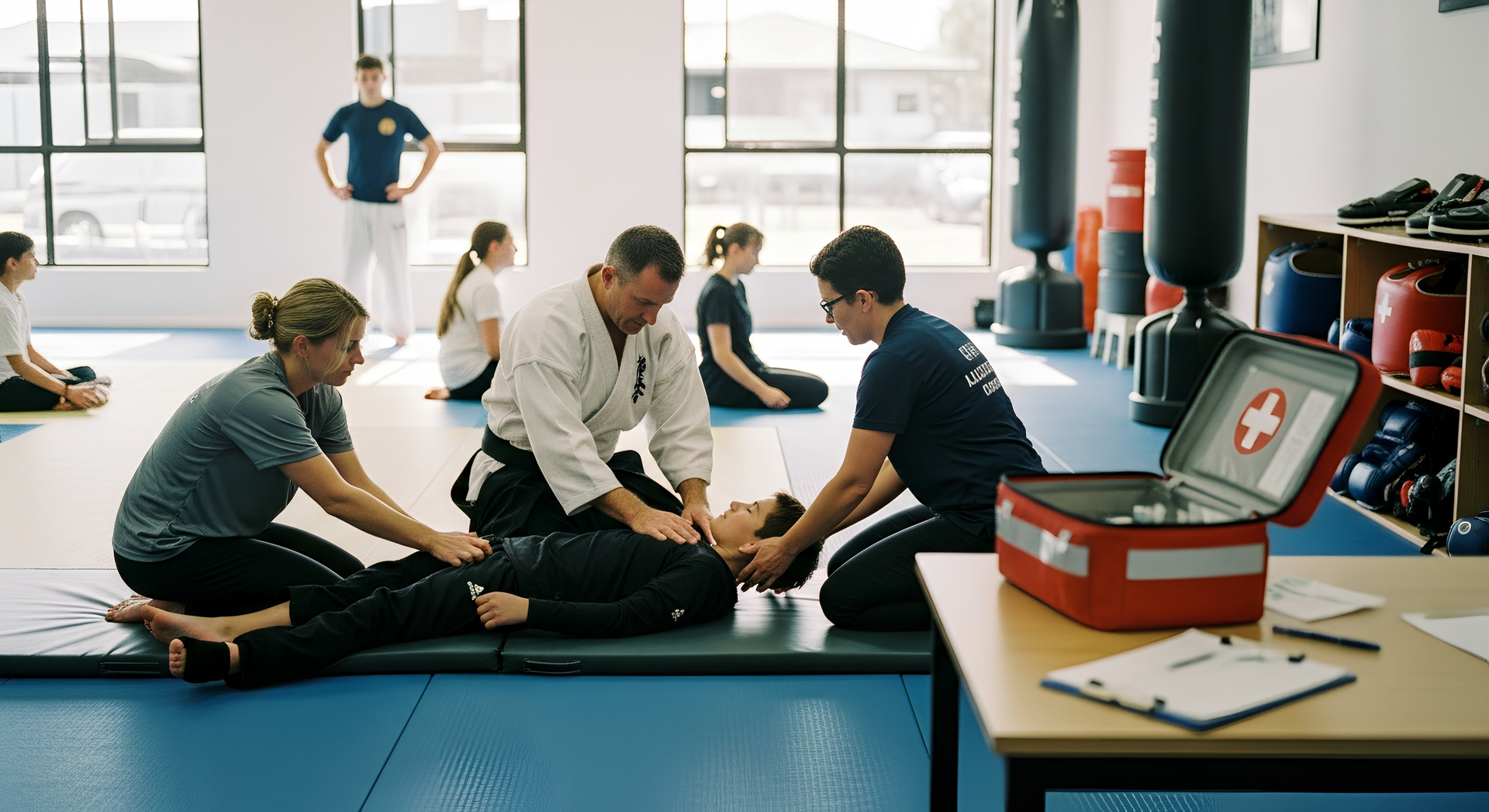
- Providing appropriate first aid if required
- Ensuring the rest of the class remains supervised
- Communicating clearly with the affected student or parent
Maintaining composure and professionalism during incidents reflects strong leadership and responsible instruction.
First Aid Readiness in Martial Arts Facilities
First aid preparedness is a fundamental aspect of responsible academy operations. Given the physical nature of martial arts, instructors and staff should be aware of basic response procedures for minor injuries.
Important first aid considerations include:
- Accessible first aid kits
- Staff awareness of emergency procedures
- Clear communication protocols
- Safe recovery areas for injured students
- Immediate escalation if medical attention is required
While most incidents in martial arts settings are minor, readiness ensures that appropriate action can be taken quickly when needed.
Communication with Parents and Adult Students
Transparent communication is essential following any incident, particularly in academies that run children’s programs. Parents and guardians expect clear, professional updates regarding student welfare.
Best communication practices include:
- Informing parents promptly and calmly
- Providing factual details without speculation
- Explaining the supervision and safety measures in place
- Documenting communication for internal records
For adult students, respectful and clear communication supports trust and reinforces the academy’s professionalism.
Q: Should all incidents be formally communicated?
Minor incidents may only require internal documentation, but any injury involving student welfare should be communicated appropriately and professionally.
Risk Factors That Increase the Likelihood of Incidents
Understanding operational risk factors allows martial arts schools to proactively reduce preventable incidents. Certain conditions may increase the likelihood of training-related issues if not managed carefully.
These factors include:
- Overcrowded classes
- Mixed skill levels without structured pairing
- High-intensity training without adequate progression
- Fatigue during extended sessions
- Poor mat or facility maintenance
By identifying these risks early, academies can adjust class structures, supervision levels, and training intensity accordingly.
Facility Safety and Environmental Preparedness
Incident preparedness extends beyond instruction and includes the physical training environment. A well-maintained facility significantly reduces the risk of avoidable accidents.
Key facility safety practices include:
- Regular mat inspections
- Safe equipment storage
- Clear walkways and viewing areas
- Adequate lighting and ventilation
- Routine maintenance checks
Schools operating from community centres, shared venues, or permanent facilities should tailor safety checks based on how the space is used during classes.
Managing Incidents During Contact Training
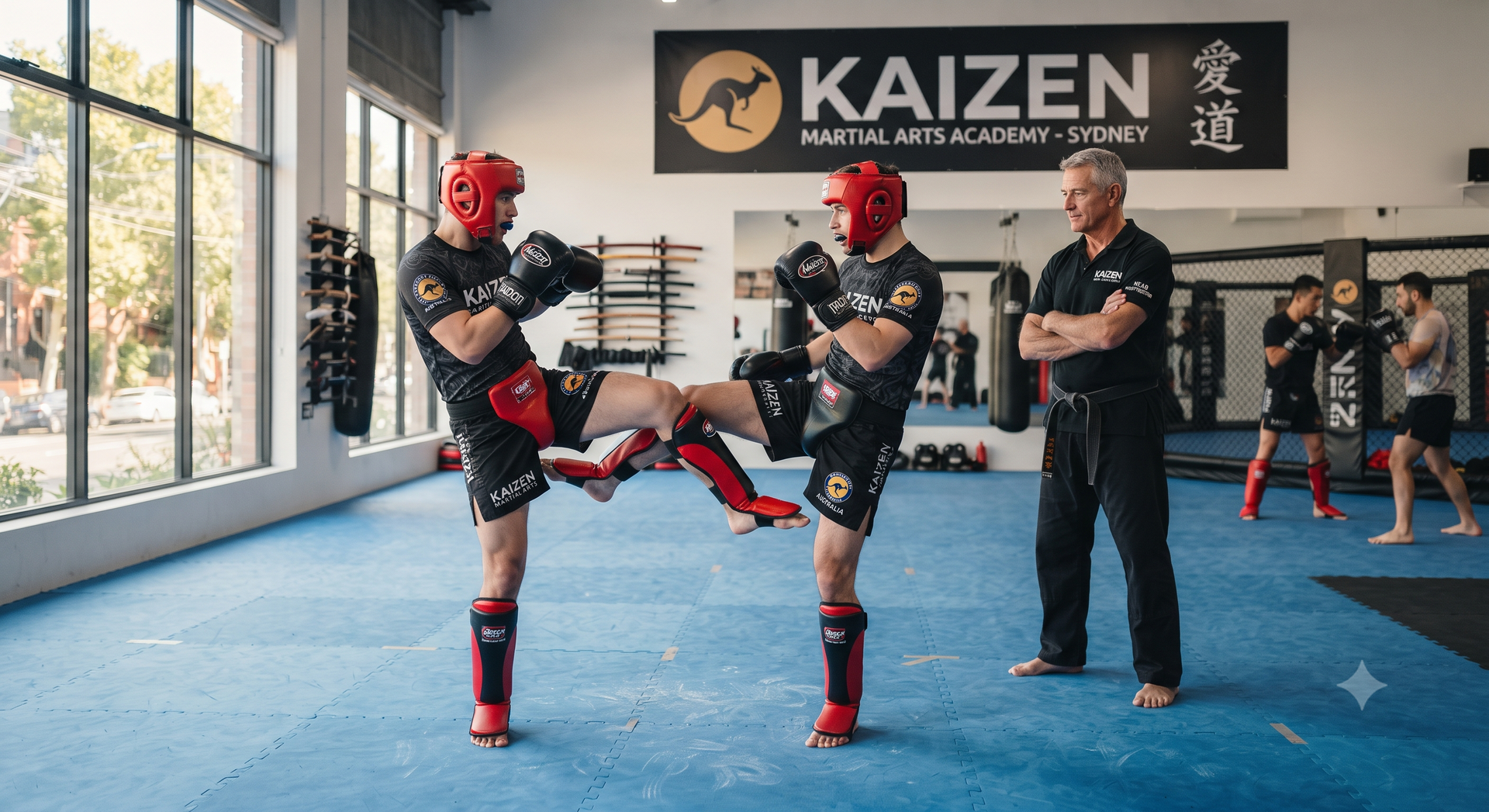
Contact training requires heightened awareness due to physical interaction between students. Structured sparring, grappling, and partner drills must be supervised closely to ensure safety protocols are followed.
Prepared academies often:
- Match students appropriately by size and experience
- Monitor intensity levels during sparring
- Reinforce control and discipline
- Intervene immediately when techniques become unsafe
These practices reduce the likelihood of escalation and support a controlled training environment.
Afterhours Considerations and Operational Continuity
Many martial arts schools operate during evenings and weekends, when access to immediate administrative support may be limited. This makes structured procedures even more important for incident management outside standard business hours.
Operational continuity may involve:
- Clear afterhours reporting processes
- Accessible contact procedures for urgent situations
- Staff awareness of escalation protocols
- Secure record-keeping systems
Prepared academies ensure that incidents can be documented and addressed even when administrative teams are not present on-site.
Claims Awareness and Professional Documentation
While most incidents in martial arts settings are minor, some situations may progress into formal complaints or claims. Accurate documentation and professional handling are essential in such circumstances.
Proper documentation demonstrates:
- Active supervision during training
- Clear safety protocols
- Responsible instructor response
- Transparent communication
Maintaining detailed records helps protect the academy’s operational integrity and supports professional review if required.
Q: Does documentation help during claims situations?
Yes. Accurate records provide factual clarity regarding how an incident occurred and how it was managed within the training environment.
Staff Training and Internal Preparedness Systems
As academies grow and hire assistant instructors or administrative staff, internal training becomes increasingly important. All team members should understand incident response expectations and safety procedures.
Internal preparedness may include:
- Staff induction on safety protocols
- Incident reporting training
- First aid awareness
- Clear supervision roles
- Consistent communication standards
Operational consistency across staff members strengthens overall risk management and reinforces a professional academy culture.
Long-Term Benefits of Structured Incident Planning
Incident preparedness is not only about immediate response but also about long-term operational improvement. Schools that regularly review incidents, training structures, and safety procedures often enhance both student safety and instructional quality over time.
Long-term benefits include:
- Stronger safety culture
- Improved class structure
- Enhanced professional credibility
- Greater parent and student confidence
- Sustainable academy growth
Preparedness ultimately reflects a proactive leadership mindset within the martial arts industry.