
Fitness Insurance Essentials for Wellness Centres, Pilates & Yoga Studios
Why “Low-Impact” Fitness Businesses Require High-Quality Insurance Alignment
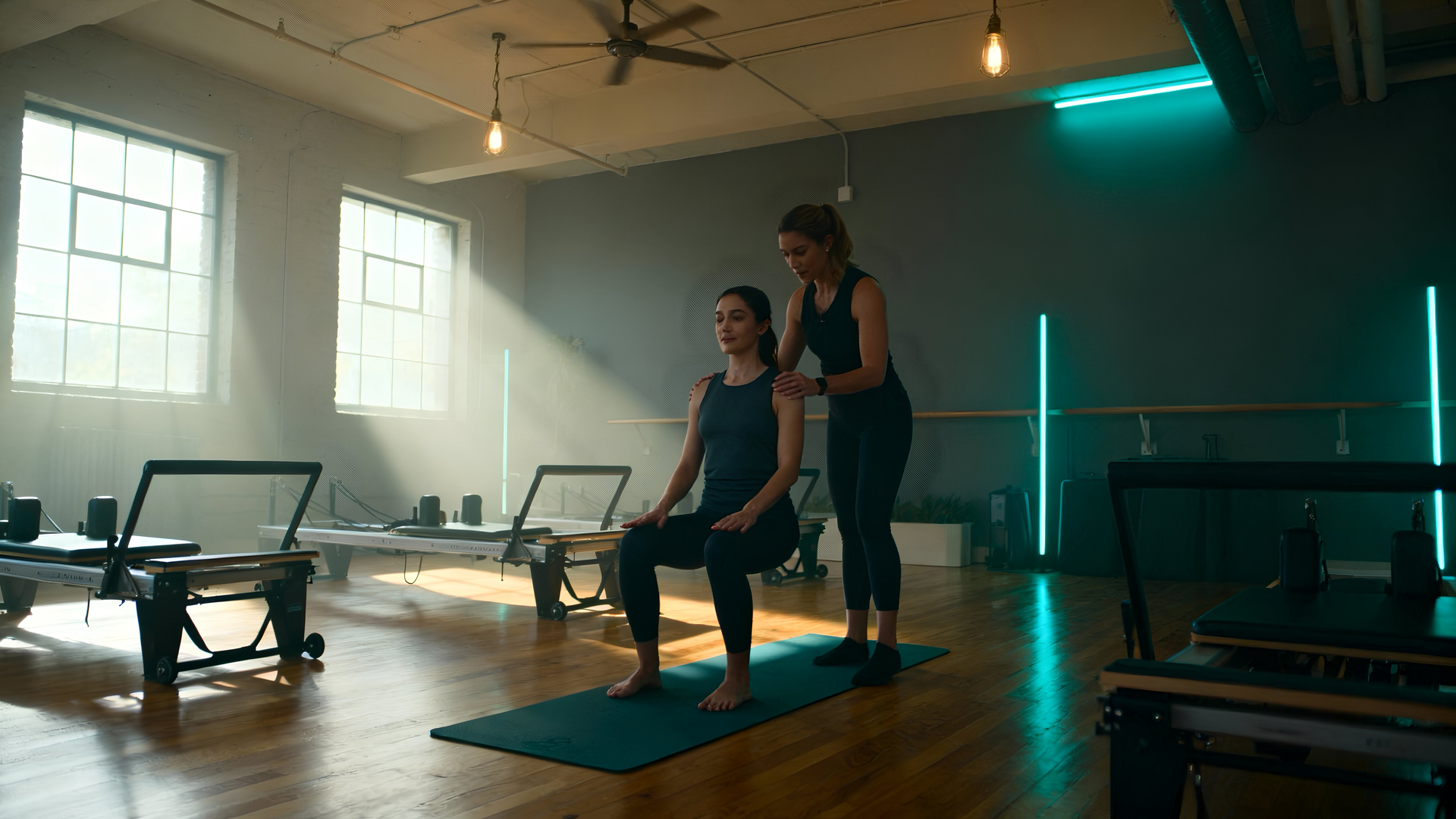
Wellness centres, Pilates studios, and yoga studios are often perceived as low risk fitness environments. Compared to traditional gyms or combat sports facilities, these businesses may appear calmer, slower paced, and less physically intense.
This perception frequently leads studio owners to underestimate their insurance exposure or to assume that a generic fitness insurance policy is sufficient.
In reality, wellness-focused fitness businesses face a distinct set of risks tied to instruction quality, physical adjustment, client health conditions, and professional judgement. These risks are not always addressed adequately by standard fitness insurance policies.
This article outlines the essential insurance considerations for wellness centres, Pilates studios, and yoga businesses, and explains why specialist insurance alignment is just as important in these environments as it is in high-intensity fitness settings.
Why “Low Impact” Does Not Mean Low Risk
Yoga, Pilates, and wellness-based training commonly involve:
- Repetitive movement patterns
- Sustained holds and load-bearing positions
- Hands-on adjustment or physical correction
- Clients with injuries, chronic pain, or medical conditions
- Heavy reliance on instructor guidance, cueing, and judgement
Injury claims in these environments often arise not from accidents, but from allegations of:
- Incorrect instruction
- Inappropriate exercise progression
- Failure to modify movements
- Poor assessment of client readiness
These exposures place wellness businesses firmly within the realm of professional risk, not just premises-based risk.
Public Liability Insurance for Wellness Spaces
Public liability insurance remains a foundational requirement for all wellness businesses. It responds to third-party injury or property damage arising from the premises or business operations.
Common scenarios include:
- Slips or falls on studio floors
- Injuries caused by props or equipment
- Accidents involving visitors or contractors
- Damage to landlord or shared property
Many wellness studios operate in shared or multi-use spaces, making it critical that policies accurately reflect:
- Floor surfaces and coverings
- Entryways and access points
- Communal or shared amenities
- Foot traffic flow and visitor exposure
Public liability insurance must reflect the actual physical environment, not just the activity type.
Professional Indemnity: The Core Exposure for Instructors
For yoga and Pilates studios, professional indemnity insurance is arguably more critical than public liability.
Professional indemnity responds to claims alleging:
- Negligent or inappropriate instruction
- Incorrect hands-on adjustment
- Failure to account for injury or medical history
- Advice that aggravates existing conditions
Because instruction is central to these disciplines, most serious claims arise from coaching decisions, not accidental hazards.
Studios that rely on instructor expertise without adequate professional indemnity coverage expose both the business and individual instructors to significant financial risk.
Hands-On Adjustment and Assisted Movements
Hands-on correction is common in:
- Pilates reformer sessions
- Yoga alignment work
- Rehabilitation-focused classes
- Small-group or private sessions
Key insurance considerations include:
- Whether physical adjustment is declared to the insurer
- Whether instructors hold appropriate qualifications
- Whether client consent protocols are documented
Some generic fitness insurance policies restrict or exclude hands-on techniques unless they are explicitly disclosed and accepted by the insurer.
Client Health Conditions and Duty of Care
Wellness businesses often attract clients managing:
- Chronic pain
- Mobility limitations
- Pre-existing injuries
- Post-rehabilitation recovery
- Pregnancy or postnatal conditions
This significantly increases the duty of care placed on instructors and heightens professional exposure. Insurance must reflect that instruction may involve modification, rehabilitation-adjacent guidance, or condition-specific programming.
Failure to align cover with these realities is a common cause of disputed or denied claims.
Instructor, Contractor, and Studio Liability
Many wellness studios operate with:
- Independent contractor instructors
- Casual or session-based teachers
- Guest facilitators or workshop leaders
Insurance confusion often arises around:
- Who is legally responsible for instructor actions
- Whether contractors hold their own insurance
- Whether the studio’s policy extends to all instructors
Without clear alignment between contracts and insurance, liability often falls back onto the studio owner by default.
Small Group, Private, and Hybrid Sessions
Insurance policies must accurately reflect:
- Class size variations
- One-on-one private sessions
- Semi-private or reformer-based training
- Hybrid offerings combining movement, breathwork, or mindfulness
Some policies apply assumptions based on traditional group classes only. Studios offering personalised or equipment-based sessions should ensure these formats are clearly declared.
Workshops, Retreats, and Special Events
Wellness businesses frequently host:
- Weekend workshops
- Teacher training modules
- Retreats and intensives
- Off-site or interstate events
These activities often fall outside standard annual insurance cover. Event-specific or extended cover may be required depending on:
- Location
- Duration
- Participant numbers
- Accommodation or travel components
Assuming workshops are automatically covered is a common and costly mistake.
Equipment and Studio Fit-Out Insurance
Pilates studios, in particular, rely heavily on specialist equipment such as:
- Reformers
- Cadillacs
- Chairs and barrels
- Props and accessories
Insurance should address:
- Accurate replacement values
- Coverage for damage or breakdown
- Portable equipment used off-site
- Business interruption following insured events
Underinsurance is common when equipment is added incrementally over time.
Why Generic Fitness Insurance Often Falls Short
Generic fitness insurance policies are often built around:
- Open gym environments
- Minimal instruction assumptions
- Limited hands-on interaction
Wellness businesses, by contrast, are instruction-driven and client-specific. This mismatch can result in:
- Narrow professional indemnity definitions
- Exclusions for physical adjustment or corrective guidance
- Ambiguity around instructor and contractor liability
This is where specialist insurance understanding becomes critical.
The Role of Specialist Insurance Guidance
Specialist providers work with wellness businesses to ensure insurance aligns with actual teaching practices, instructor roles, and client profiles.
This alignment reduces uncertainty, improves claim clarity, and supports long-term business confidence.
Final Thoughts
Wellness centres, yoga studios, and Pilates businesses may not resemble traditional gyms—but their insurance needs are no less complex.
Instruction, physical adjustment, and client-specific programming introduce professional risk that must be addressed deliberately.
Appropriate insurance does not limit growth; it enables it. By ensuring public liability, professional indemnity, staffing arrangements, and special activities are properly aligned, wellness businesses can operate with confidence and credibility.
Low-impact training does not equal low exposure. Insurance should reflect reality, not perception.
Disclaimer:
This content is general information only and does not constitute legal or insurance advice. Coverage requirements vary based on each business’s activities and risk profile, and policy terms and exclusions apply.
For fitness and wellness businesses seeking industry-specific guidance, Martial Arts Australia Insurance Services (MAAIS) provides insurance solutions aligned with real-world instruction and operational practices.