
What Happens If a Student Gets Injured During Martial Arts Class?
A General Overview of Injury Incidents and How Insurance Is Commonly Considered in Martial Arts Training
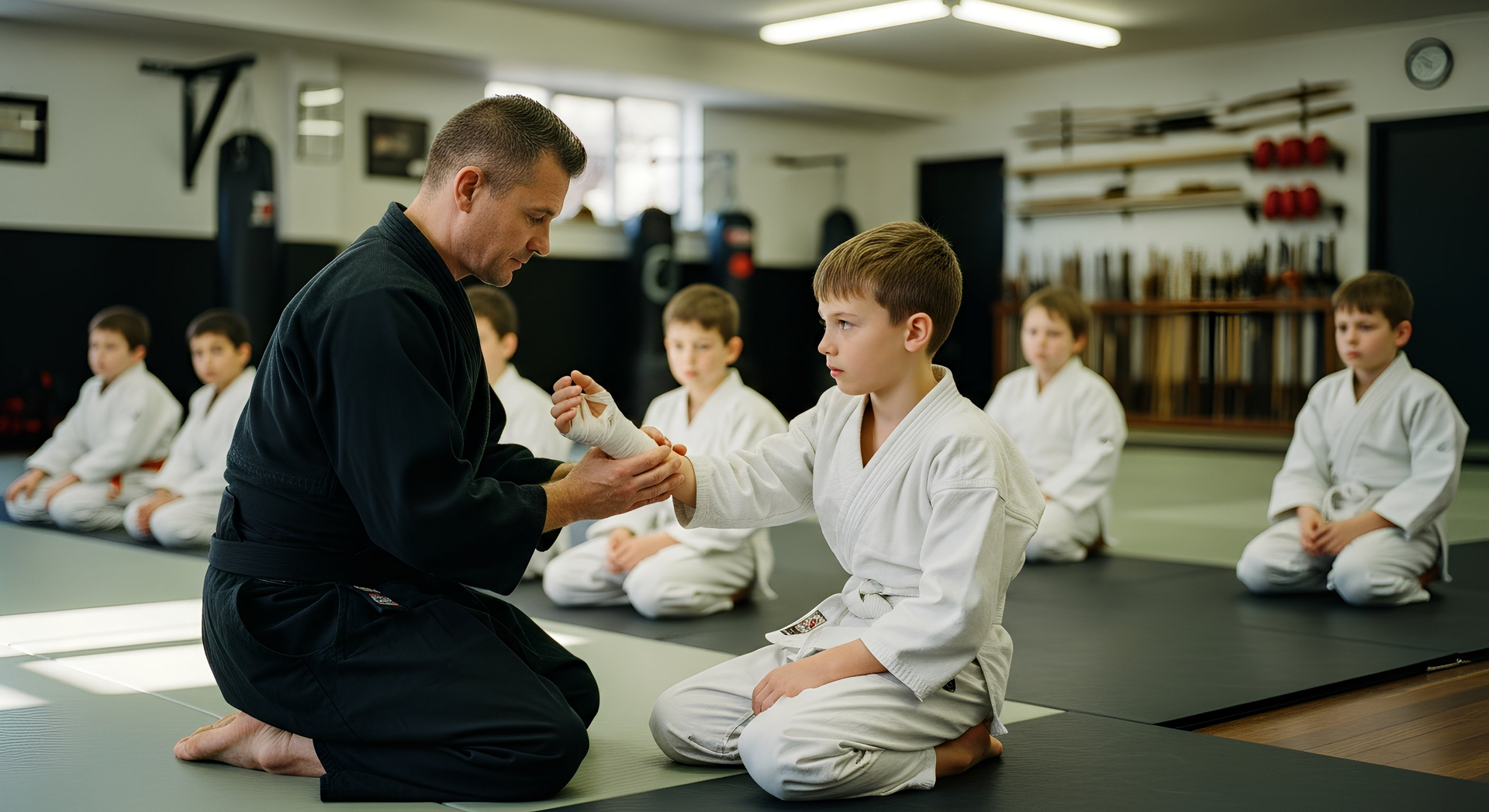
Injuries are a topic that naturally raises concern in martial arts training environments. Classes involve physical movement, controlled contact, and skill progression, all of which can introduce variability in outcomes between participants. When an injury occurs during training, questions often arise about responsibility, process, and how insurance may respond.
This article provides general insurance information about what typically happens from an insurance perspective when a student is injured during a martial arts class. It does not provide personal advice and does not determine claim outcomes.
Injuries and Martial Arts Training
Martial arts training commonly includes activities such as partner drills, grappling, sparring, conditioning, and repetitive movement. Even when training is structured and supervised, injuries can still occur due to factors including:
- Differences in experience or physical capability
- Timing or coordination errors
- Fatigue
- Pre-existing conditions
- Accidental contact
Not every injury results in a claim, and not every injury is relevant from an insurance perspective. Insurance responds to financial exposure arising from certain insured events, not to injuries themselves.
Immediate Response and Incident Management
When an injury occurs during class, schools and instructors typically focus first on immediate care and incident management in line with their internal procedures.
From an insurance perspective, what matters later is not the response itself, but whether:
- The activity was part of declared training
- The class was supervised
- The incident is documented accurately
Insurance does not assess training decisions in real time. It assesses information after an incident is reported, subject to policy terms and conditions.
Incident Reporting and Documentation
Documentation is often relevant when an injury is later reviewed. This may include:
- An incident report
- Date, time, and location of the class
- Activity being performed
- Instructor involvement
- Names of participants
Having documentation does not guarantee coverage, but incomplete or inconsistent records can complicate how an incident is assessed.
How Insurance Claims Are Assessed
If an injury leads to a claim, insurers generally consider:
- Whether the injured person is a third party under the policy
- Whether the activity falls within defined and declared activities
- Whether exclusions apply
- Whether the incident aligns with insured events
Claims are assessed individually. Holding a policy does not mean every injury will result in a covered claim.
Public Liability and Professional Indemnity Considerations
In martial arts environments, injury-related claims may be considered under different sections of a policy, depending on circumstances. This can include:
- Public liability, where a third party alleges injury
- Professional indemnity, where instruction or guidance is alleged to be a contributing factor
Whether either section applies depends on policy wording and the specific details of the incident.
Supervised vs Unsupervised Activity
Insurance policies often distinguish between injuries occurring:
- During supervised classes
- Outside scheduled training times
- During informal or unscheduled activity
An injury occurring before or after class, or outside the scope of instruction, may be assessed differently from one occurring during a structured session.
What Insurance Does Not Determine
It is important to clarify that insurance does not:
- Decide whether training methods were appropriate
- Determine fault automatically
- Provide certainty of outcomes
- Apply to all injuries
Insurance provides a mechanism for assessing financial exposure where a claim is made, subject to policy terms, conditions, and exclusions.
Communication and Expectations
Injury situations can be stressful for students, parents, and instructors. From an insurance perspective, clear and factual communication is important.
Speculation about coverage or outcomes should be avoided, as claims are assessed by insurers, not instructors or schools.
General Information on Industry-Specific Insurance Experience
Some insurance brokers work specifically with martial arts, fitness, and sports-related organisations. For example, MAA Insurance Services works with martial arts schools across Australia and structures insurance arrangements based on declared activities and operating models.
This reference is provided for general awareness only and does not constitute personal advice.
Claims Are Not Automatic
It is essential to understand that:
- Not all injuries lead to claims
- Not all claims result in coverage
- Coverage is subject to policy terms, conditions, and exclusions
Each incident is assessed on its own circumstances.
Closing Thoughts
Injuries can occur in martial arts training environments despite structured classes and supervision. Insurance plays a defined role in addressing financial exposure arising from certain insured events, but it does not remove risk or determine outcomes.
Understanding the general process and limitations of insurance supports realistic expectations for martial arts schools, instructors, and students.
Disclaimer:
This information is general in nature and does not consider your personal circumstances.