
Do I Need Separate Insurance for Martial Arts, Group Fitness, or New Activities?
What Gym Owners Must Know Before Adding New Training Programs
When fitness businesses grow, they rarely grow in a straight line. You add a new class here, expand a program there, trial a different style, or bring in a new instructor. Suddenly, your facility looks very different from the way it started — but many owners forget that insurance needs to expand with them. Adding activities, even small ones, can change the risk profile of your gym or martial arts school, and that’s exactly where a lot of owners get caught out.
Why Adding New Activities Changes Your Coverage Needs
Most gyms start with a simple plan. Maybe it’s pure strength training, traditional martial arts, or basic group fitness. But as members ask for more options, you naturally begin offering:
- Boxing or kickboxing fitness
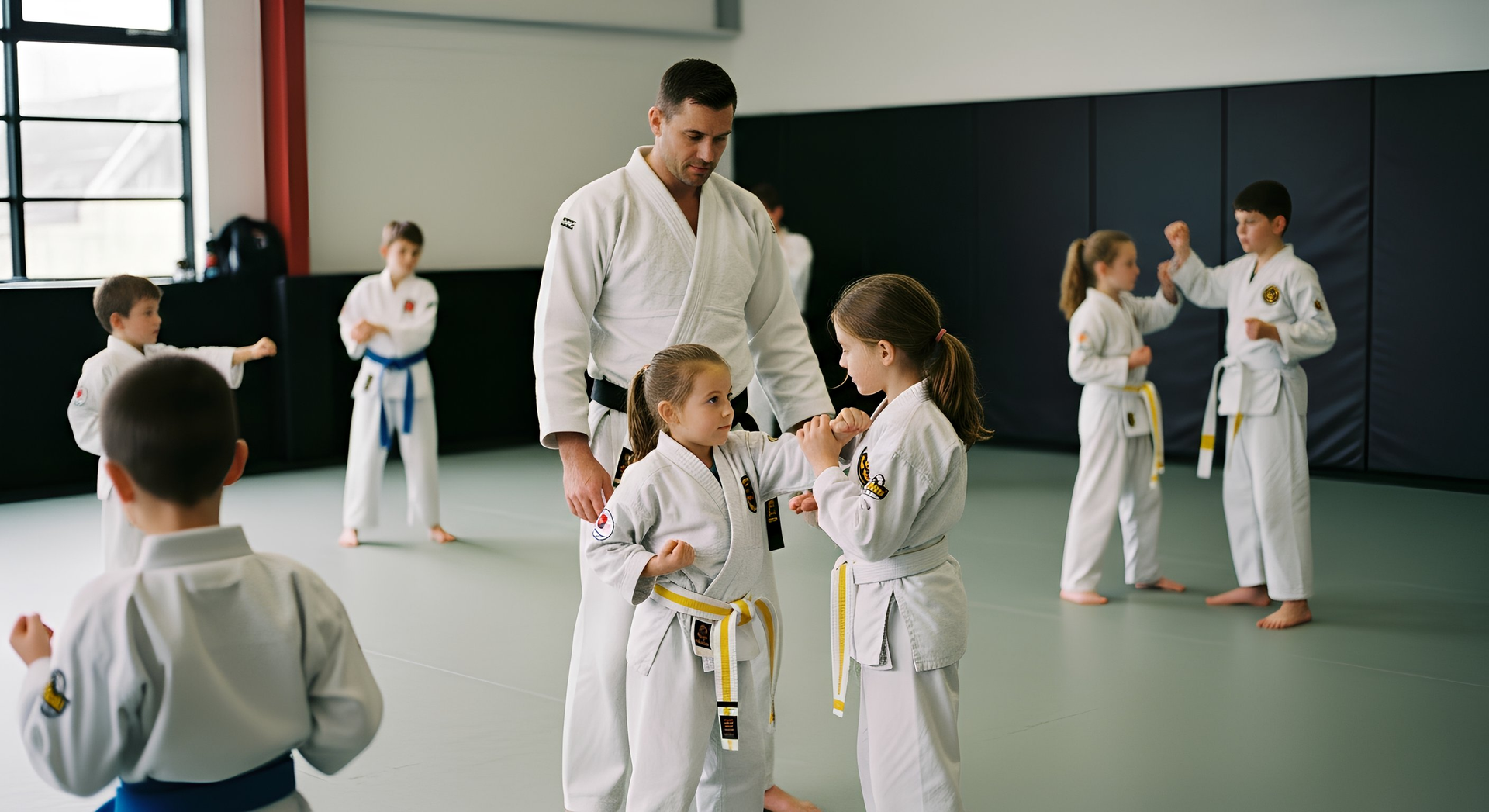
- Kids martial arts
- Pilates and yoga
- High-intensity interval training
- Bootcamps
- Mobility classes
- Rock climbing or bouldering walls
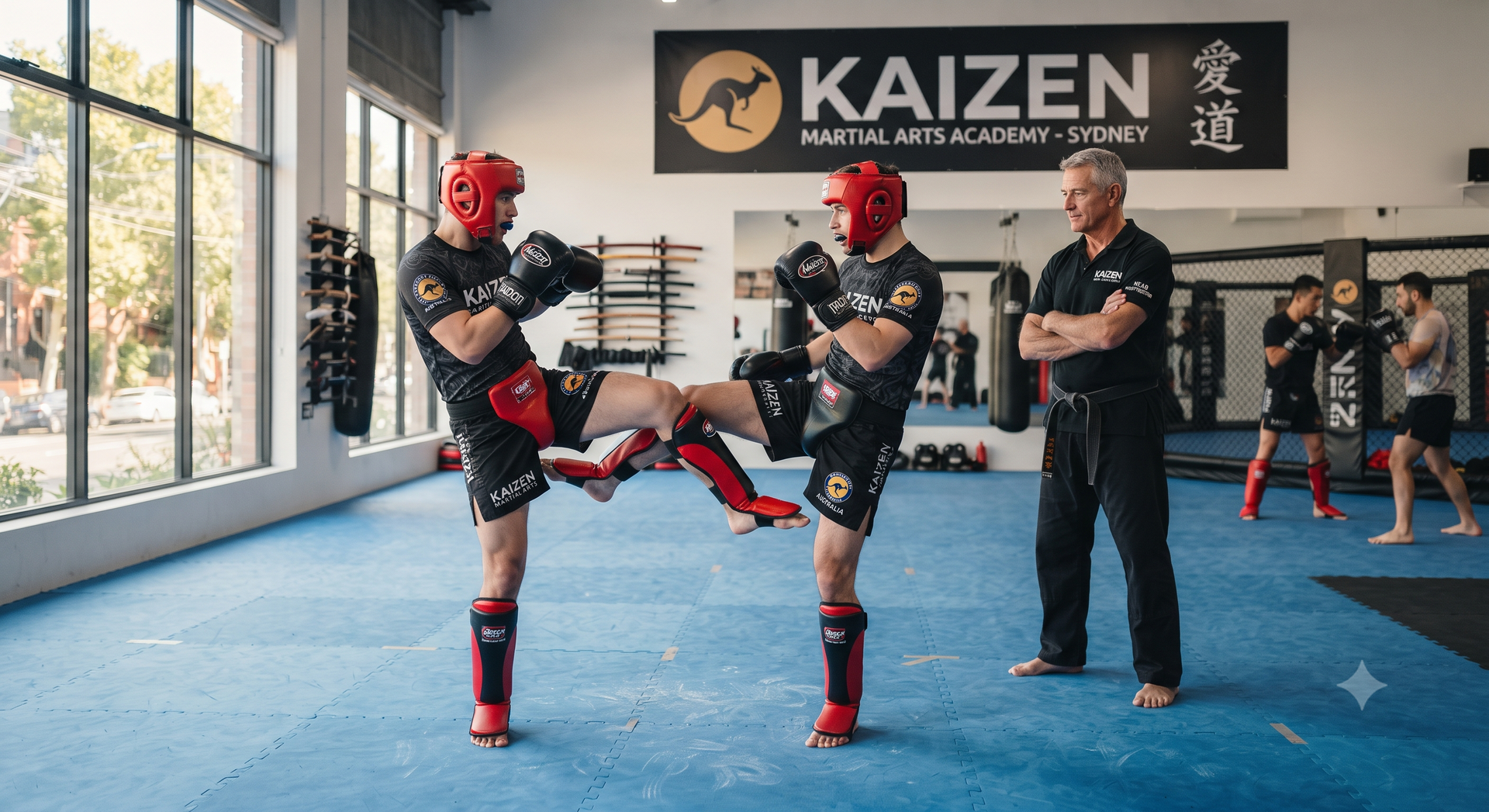
- Combat sports sparring
- Hybrid martial arts/fitness programs
Every activity has a different level of risk attached. While public liability insurance forms the backbone of your protection, it doesn’t automatically extend to everything you add to your business. And that’s where many owners unintentionally leave themselves exposed.
For example, a gym that introduces sparring or self-defence workshops without notifying their insurer may discover they’re not covered if a member is injured during those sessions. The same goes for gyms that add rock climbing, aerial fitness, or contact-style martial arts without updating their policy.
The rule is simple:
If you add a new activity, your insurer must know — even if you think it’s a small change.
Why Fitness and Martial Arts Activities Are Treated Differently
From a distance, “gym activities” might look similar. But insurers look at them as completely different categories because of the type of risk involved.
Traditional Gym Activities (Lower to Medium Risk)
- Strength training
- Cardio
- Stretching
- Basic group fitness
Higher-Risk Activities
- Combat sports sparring
- MMA drills
- Throws, takedowns, grappling
- Rock climbing and bouldering
- Kids martial arts (due to supervision obligations)
- Bootcamps and outdoor programs
Specialist Activities
- Yoga
- Pilates
- Mobility and breathwork
- Personal training
- Rehabilitation coaching
Each activity carries its own potential injury patterns, duty-of-care expectations, and supervision standards. Insurers price and structure cover based on these risks.
This is why a gym that operates both traditional fitness and martial arts requires blended cover, not just a one-size-fits-all plan.
Common Activities That Aren’t Automatically Covered
Most owners are surprised when they realise how many popular classes need additional disclosure. Here are the ones that usually fall outside standard gym cover:
- Boxing/kickboxing fitness classes if pad work transitions into contact
- Sparring sessions (even “light contact”)
- Weapon-based martial arts
- Kids martial arts programs
- Obstacle course or ninja-style training
- Aerial fitness (silks, hoops, hammocks)
- Rock climbing, bouldering, or wall holds
- Outdoor bootcamps run in parks
- Mixed martial arts (MMA)
If you offer any of these, you need insurance that specifically recognises it. Otherwise, a single claim could fall outside your coverage.
Why This Matters More Than Ever
Fitness businesses are diversifying faster than they ever have. Today it’s common to see:
- Gyms offering jiu-jitsu
- Martial arts schools adding strength classes
- PT studios adding kids’ programs
- Fight gyms offering yoga recovery
- 24/7 gyms adding boxing corners
- CrossFit boxes running martial arts nights
While this growth is fantastic, the insurance structure must grow with it. One gap is all it takes to turn a minor accident into a major financial problem.
Real-World Situations Where Coverage Needs Updating
Here are common examples where a claim can be denied simply because the gym didn’t update their activity list:
1. A member gets injured during sparring
If sparring wasn’t disclosed, insurers may decline because the activity wasn’t approved.
2. A child gets hurt in a kids’ program
Children’s activities carry stricter supervision requirements and need explicit coverage.
3. A member falls from a climbing or bouldering wall
Many gym policies exclude climbing unless it’s declared.
4. A new instructor starts teaching full-contact drills
Even if it’s the same martial art, the intensity level changes the risk profile.
5. Outdoor bootcamps in council parks
Some areas require proof of public liability; insurers must note that you operate outdoors.
Every scenario above is preventable with a quick coverage review.
Why Owners Should Never Rely on Assumptions
The biggest mistake fitness business owners make is assuming their insurer “already knows.”
Insurers don’t know what you offer unless you tell them — and the list must be exact.
Two minutes updating your activity list could protect your business from a costly claim.
A single oversight could cost months of lost revenue — or worse.
The Financial Impact of Not Updating Your Policy
When activities are not listed correctly:
- A claim can be denied completely
- Legal costs become your responsibility
- You may have to compensate the injured person out of your own pocket
- The business may be forced to close temporarily
- Your long-term reputation can suffer
Gym and martial arts owners work hard to build trust. One accident handled poorly can undo years of goodwill.
When You Do Update Your Activities, What Happens?
Good news — updating your activities is simple and doesn’t always increase costs. In fact, most adjustments are:
- quick
- straightforward
- affordable
And depending on the insurer, some activities may already fall under your existing category.
A coverage review ensures your business is protected without guesswork.
How to Know If You Need Additional Cover
Ask yourself:
- Have you added a new class in the last 12 months?
- Have you brought in new instructors with different specialties?
- Do you offer sessions outside your usual premises?
- Have you added any type of contact-based martial art?
- Are you training children, teens, or mixed-age groups?
- Have you introduced equipment with higher risk (sleds, rigs, monkey bars, climbing holds)?
If the answer is yes to any of these — your insurance likely needs updating.
Final Thoughts: Protect Your Growth, Don’t Risk It
Expanding your fitness or martial arts business is a sign of success. But every new program, class, or training style comes with responsibilities.
Updating your insurance isn’t just paperwork — it’s about:
- protecting your members
- protecting your instructors
- protecting your livelihood
- protecting your reputation
A quick review today keeps your growth simple, safe, and fully supported.