
The Rise of Muay Thai in Australia: Why the “Art of Eight Limbs” is Dominating Local Combat Sports
From underground gyms to mainstream recognition
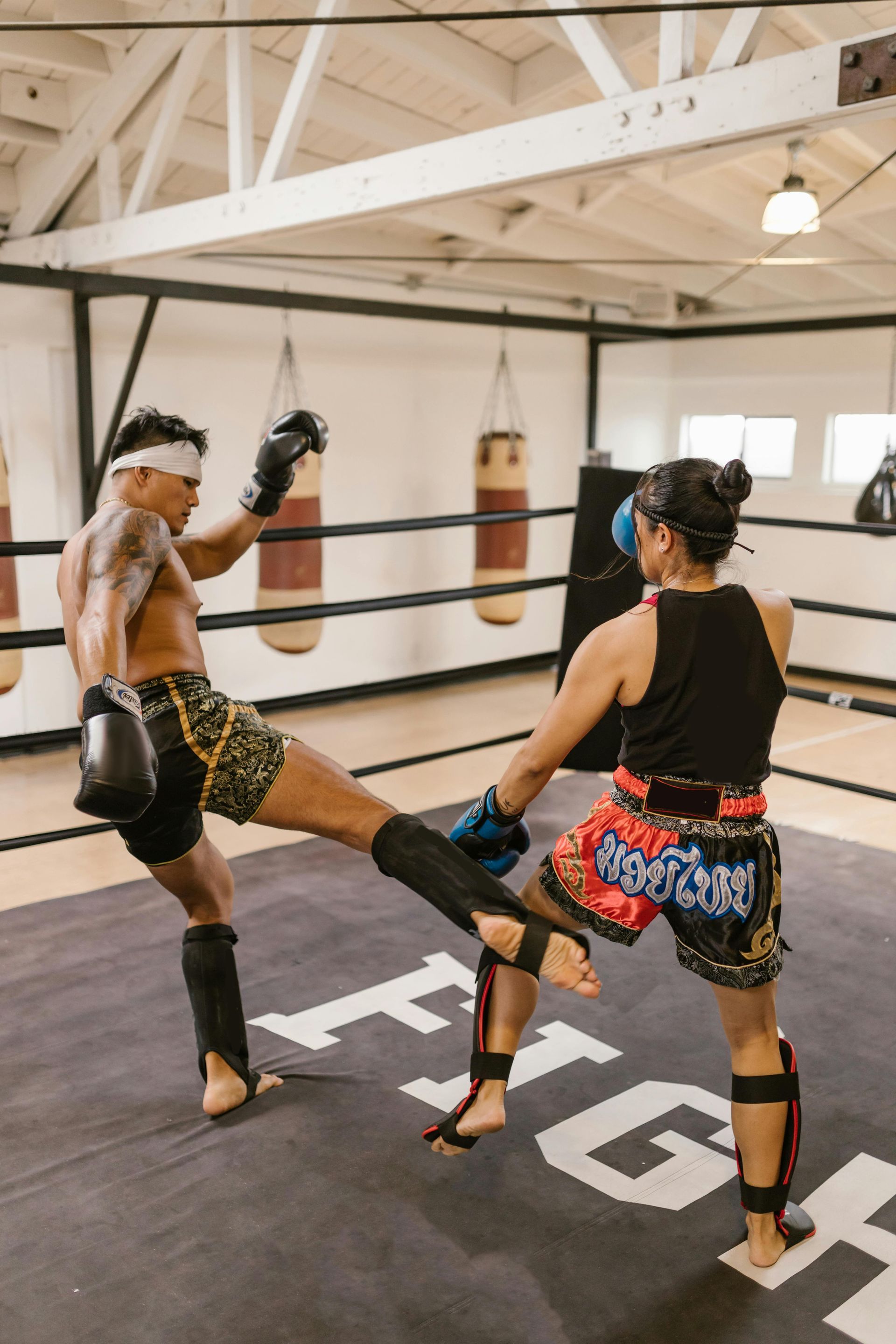
Over the past decade, Muay Thai has undergone a significant transformation across Australia. What was once considered a niche striking discipline has evolved into a dominant force within the country’s combat sports ecosystem. From commercial fitness gyms to elite fight camps, Muay Thai is no longer operating at the fringes—it is now a central pillar of modern striking development.
This rise is not driven by a single factor. It is the result of structural changes in athlete preferences, increased global exposure, improved local infrastructure, and the growing demand for combat systems that deliver both performance and practicality.
A complete striking system built for real-world effectiveness
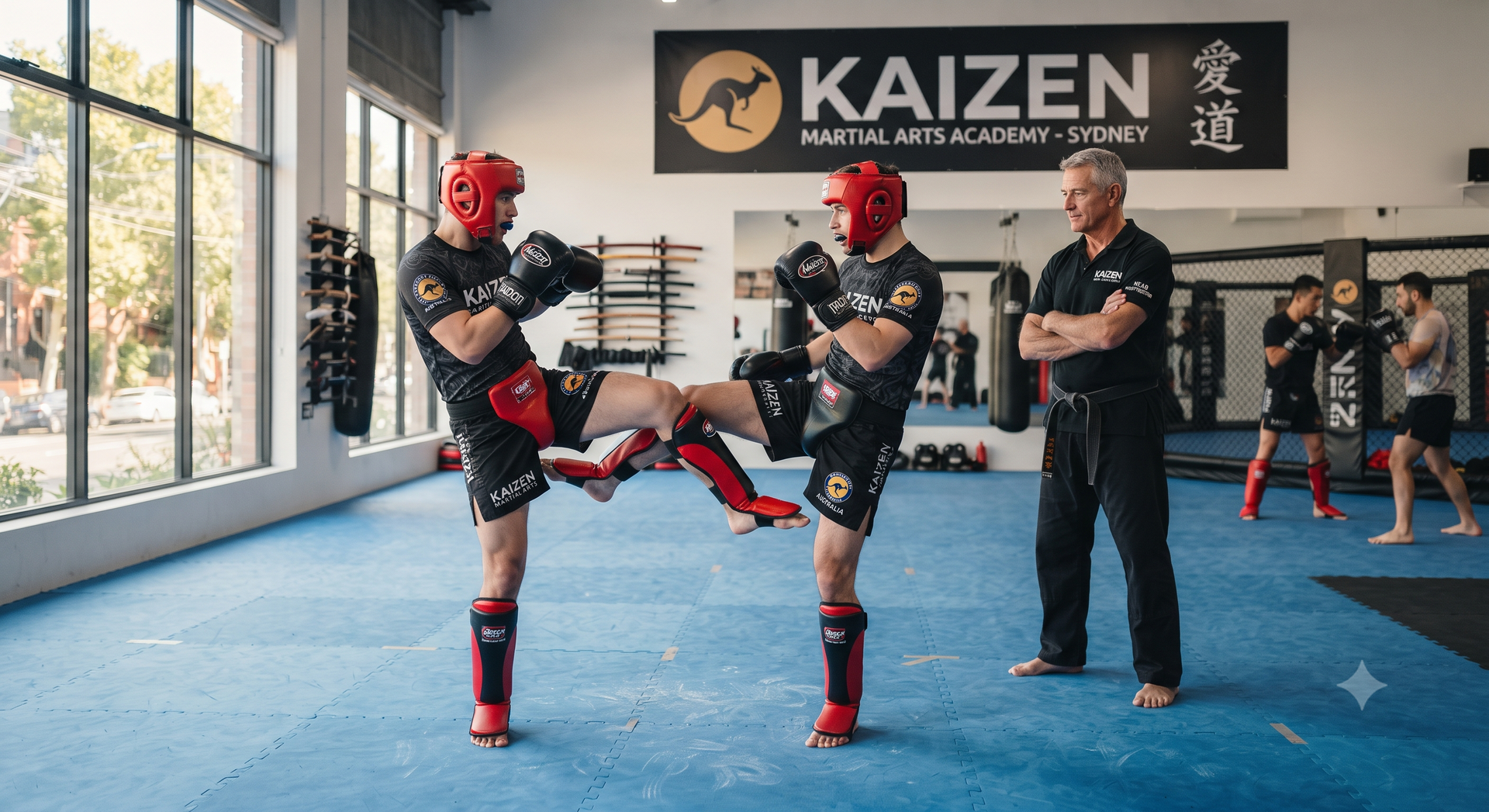
At its core, Muay Thai distinguishes itself through its use of eight points of contact: punches, elbows, knees, and kicks. This expanded striking arsenal provides a level of versatility that few other systems can match.
From a performance standpoint, Muay Thai offers:
- Close-range dominance through clinch control
- High-damage strikes using elbows and knees
- Efficient defensive structures such as checks and frames
- Seamless transitions between striking ranges
Compared to traditional boxing or point-based striking systems, Muay Thai is designed for continuity. There are no artificial resets—fighters are trained to operate fluidly across all ranges of engagement.
For Australian athletes seeking a more complete and adaptable striking base, this makes Muay Thai an obvious choice.
International platforms accelerating local adoption
The rise of Muay Thai in Australia is closely tied to the global expansion of combat sports media. Promotions like ONE Championship have played a critical role in showcasing high-level Muay Thai to international audiences.
Through consistent digital distribution, viewers in Australia now have access to:
- Elite Muay Thai bouts featuring world-class athletes
- High-production fight events that elevate the sport’s image
- Educational content that breaks down techniques and strategies
Additionally, the influence of Ultimate Fighting Championship has reinforced Muay Thai’s effectiveness. Many top-level MMA fighters rely heavily on Muay Thai fundamentals for striking, further validating its relevance.
This visibility has created a feedback loop—greater exposure leads to increased participation, which in turn strengthens the local scene.
From traditional dojos to performance-driven training hubs
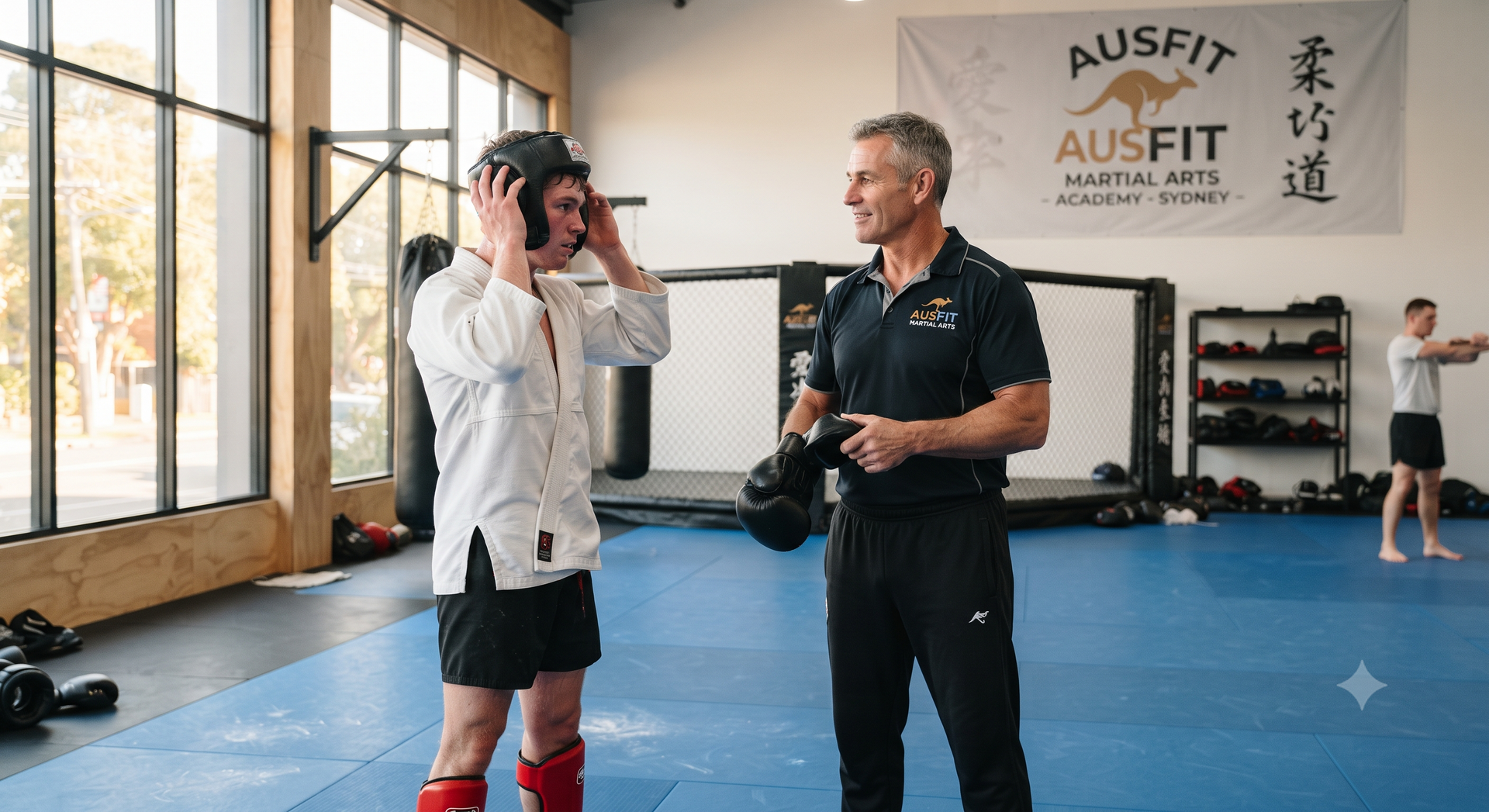
Another major driver behind Muay Thai’s growth is the evolution of gym culture across Australia. Modern training facilities are no longer limited to single-discipline instruction. Instead, they operate as hybrid performance environments.
Muay Thai fits seamlessly into this model because it offers:
- Scalable training for beginners and advanced athletes
- High-intensity sessions that double as conditioning workouts
- Immediate skill application through pad work and sparring
Unlike some traditional martial arts that require extended periods before practical application, Muay Thai provides instant engagement. New practitioners can begin learning functional techniques from their first session.
This accessibility has significantly lowered the barrier to entry.
Why Muay Thai is replacing conventional workouts
Beyond competition, Muay Thai has established a strong presence within the fitness sector. Many Australians are transitioning away from conventional gym routines in favor of more dynamic, skill-based training systems.
Muay Thai delivers a combination of:
- Cardiovascular conditioning
- Muscular endurance
- Coordination and agility
- Mental engagement
Pad work sessions, in particular, have become a popular alternative to traditional cardio. They provide measurable intensity while maintaining high levels of engagement—something that standard treadmill or resistance training often lacks.
This dual-purpose appeal—fitness and skill development—has broadened Muay Thai’s audience significantly.
Clear progression from amateur to professional levels
The competitive landscape for Muay Thai in Australia has matured considerably. Athletes now have access to structured pathways that support long-term development.
These include:
- Amateur fight circuits with regulated safety standards
- Regional and state-level competitions
- Semi-professional and professional promotions
- Access to experienced coaches and fight teams
This level of organization has made it easier for athletes to transition from recreational training to competitive participation.
Importantly, the presence of clear progression pathways increases retention. Athletes are more likely to stay committed when they can see a defined route toward advancement.
Visibility driving participation
Platforms like Instagram and TikTok have significantly amplified the reach of Muay Thai in Australia.
Gyms and fighters regularly share:
- Training highlights
- Pad work combinations
- Sparring clips
- Fight footage
This type of content serves two key functions:
- Education – It introduces techniques and training methods to new audiences
- Inspiration – It showcases the progression and achievements of practitioners
For younger demographics, this digital exposure often acts as the first point of contact with the sport.
Discipline, resilience, and identity
While the physical aspects of Muay Thai are well-documented, its psychological benefits are equally significant.
Training environments are designed to push individuals beyond their comfort zones. Sessions are physically demanding, often requiring sustained effort under fatigue.
This builds:
- Mental resilience
- Emotional control
- Discipline through routine
- Confidence through skill acquisition
Additionally, Muay Thai carries a strong cultural identity rooted in Thailand. Elements such as respect, ritual, and tradition contribute to its appeal, even within a modern Australian context.
Practitioners are not just learning techniques—they are participating in a system with history and meaning.
Muay Thai as a foundation for modern combat sports
In today’s combat sports landscape, specialization alone is no longer sufficient. Athletes are expected to integrate multiple disciplines.
Muay Thai has become a foundational component in:
- Mixed martial arts (MMA)
- Kickboxing
- Self-defense systems
Its emphasis on balance, timing, and striking efficiency makes it highly transferable.
For Australian athletes competing in Mixed Martial Arts, Muay Thai is often the primary striking base. This further reinforces its importance within the broader ecosystem.
Scaling without compromising standards
Despite its growth, Muay Thai in Australia faces several challenges:
- Inconsistent coaching standards across gyms
- Increased risk of injury due to improper training methods
- Commercialization potentially diluting technical quality
- Lack of unified regulation in some areas
As participation increases, maintaining quality control becomes critical. Gym owners and coaches must prioritize proper instruction, athlete safety, and structured development.
From growth phase to industry standard
Looking ahead, the trajectory of Muay Thai in Australia suggests continued expansion.
Key trends likely to shape its future include:
- Increased female participation
- Youth development programs
- Greater integration into mainstream fitness offerings
- Expansion of professional promotions and sponsorships
As the infrastructure continues to mature, Muay Thai is positioned to transition from a rapidly growing sport to an established industry standard.
More than a trend—an evolution in combat sports
The rise of Muay Thai in Australia is not a temporary surge—it reflects a deeper shift in how athletes and fitness enthusiasts approach training.
Its combination of technical completeness, accessibility, and real-world effectiveness makes it uniquely aligned with modern demands.
For competitors, it offers a robust striking system. For everyday practitioners, it provides a high-impact, engaging alternative to traditional fitness routines.
And as more Australians adopt the “Art of Eight Limbs,” one thing becomes clear:
Muay Thai is not just participating in the evolution of combat sports—it is leading it.