
Standard Fitness Insurance vs Industry-Aligned Cover: What the Differences Really Mean
A practical comparison from Martial Arts Australia Insurance Services

Fitness business owners are often presented with insurance options that appear similar at first glance. Quotes list familiar terms such as public liability, professional indemnity, and business insurance, creating the impression that most fitness insurance packages offer broadly the same protection.
In practice, the structure and intent behind a policy can vary significantly. These differences often only become clear when a claim is assessed. This article outlines how standard fitness insurance packages typically differ from industry-aligned insurance arrangements and why those distinctions matter for fitness businesses operating in dynamic training environments.
This information is general in nature and intended to support awareness, not to provide personal advice.
What Is Typically Meant by “Standard” Fitness Insurance
Standard fitness insurance packages are usually designed for broad application across a wide range of businesses. They are commonly marketed to:
- Gyms and studios
- Personal trainers
- General fitness operators
These packages often include:
- Public liability insurance
- Professional indemnity insurance
- Optional contents or equipment cover
While this structure may be suitable for narrowly defined or low-variation operations, it is often built on simplified assumptions about how fitness services are delivered.
Where Generic Assumptions Can Create Limitations
Standard policies frequently assume:
- Low levels of physical contact
- Minimal participant interaction
- Predictable training formats
- Consistent instruction styles
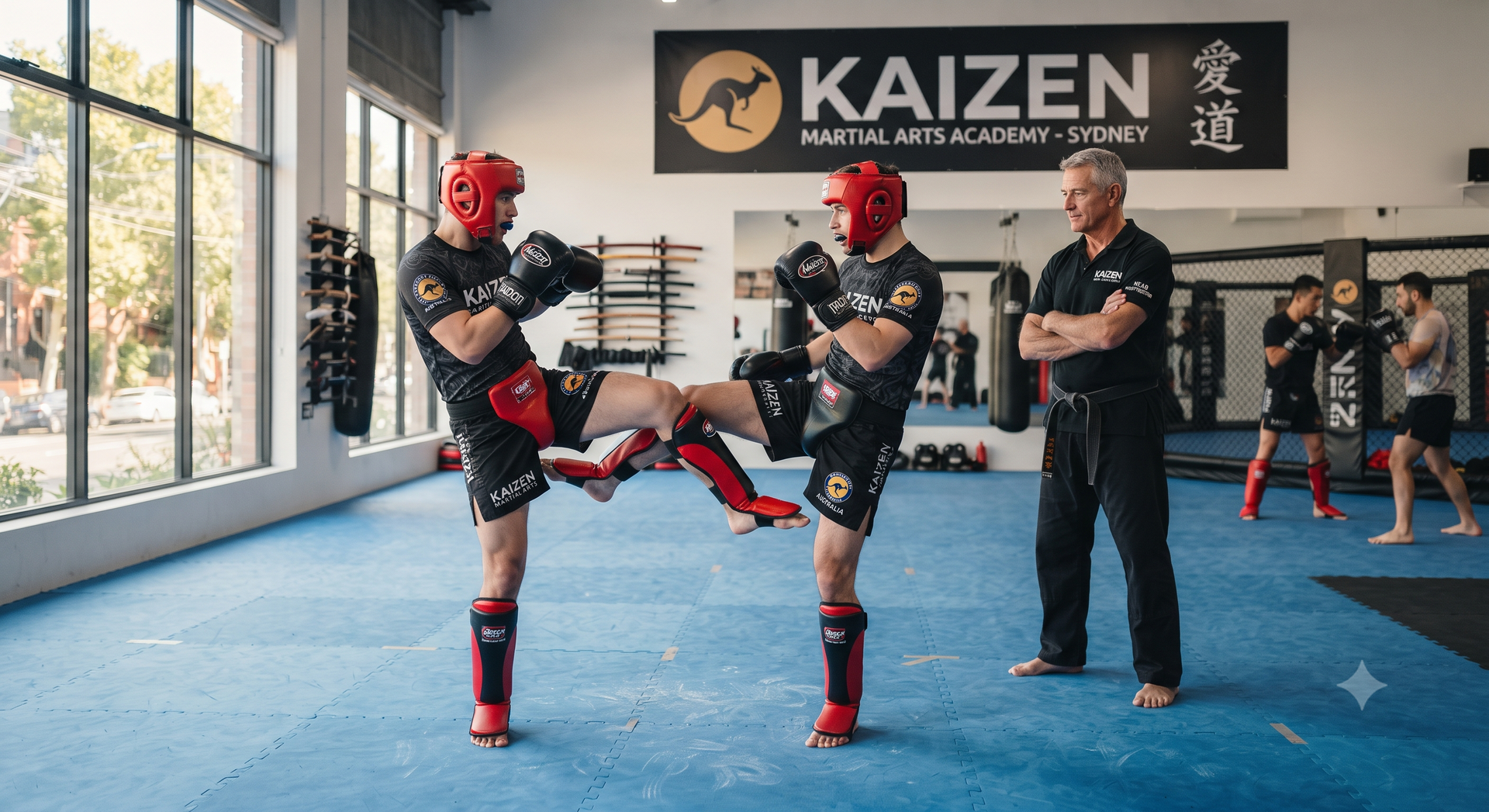
Many fitness businesses operate well beyond these parameters. Functional training, high-intensity formats, martial arts-influenced conditioning, and instructor-led progression introduce variables that generic policies may not fully account for.
When activities are not clearly declared or accurately described, coverage may be restricted or assessed differently than expected.
How Industry-Aligned Insurance Takes a Different Approach
Industry-aligned insurance arrangements are structured around how fitness businesses actually operate, rather than fitting them into broad categories.
This approach typically considers:
- Specific activity types and training disciplines
- Controlled contact and impact where relevant
- Hybrid and multi-service delivery models
- Instructor-led risk and supervision dynamics
At Martial Arts Australia Insurance Services, the focus is on aligning policy structure with real training environments, allowing insurance to reflect what occurs on the floor rather than relying on generic descriptors.
Activity Classification: One of the Biggest Points of Difference
How activities are classified is one of the most significant distinctions between standard and industry-aligned insurance.
Standard packages often:
- Use broad terms such as “fitness instruction”
- Limit or exclude contact-based activity
- Rely on simplified underwriting categories
Industry-aligned arrangements typically:
- Identify specific training disciplines
- Recognise controlled contact or partner-based activity
- Align policy definitions with session structure
Misclassification is a common source of confusion when claims are reviewed and can significantly affect how coverage is assessed.
Covering Multi-Disciplinary and Hybrid Fitness Models
Many fitness businesses combine multiple services, such as:
- Strength and conditioning
- Group training
- Martial arts-inspired programs
- Open gym or supervised access
Standard policies often require businesses to nominate a single primary activity. Secondary services may be under-declared or not addressed at all.
Industry-aligned insurance is structured to accommodate multi-disciplinary operations, ensuring that all core activities are represented within the policy framework.
Instructor and Contractor Arrangements
Staffing models are another area where policies can differ.
Standard policies may:
- Assume instructors are employees
- Offer limited clarity around contractors
- Exclude visiting or casual trainers
Industry-aligned arrangements consider:
- How instructors are actually engaged
- Contractor and affiliate relationships
- Shared responsibility across operating models
Clear alignment between engagement structures and insurance wording reduces ambiguity when incidents occur.
Public Liability: Similar Headings, Different Interpretation
Most fitness insurance includes public liability cover. However, how that cover is applied can vary.
Industry-aligned policies often take into account:
- Training intensity and supervision levels
- Equipment use and participant variation
- The context in which activities are delivered
This results in clearer expectations during claims assessment and fewer disputes over whether an activity was within scope.
Professional Indemnity: Reflecting Real Instruction
Differences in professional indemnity cover are often most noticeable when instruction-related claims arise.
Standard policies may:
- Apply narrow definitions of instruction
- Limit cover for advanced or corrective training
- Treat coaching as generic advice
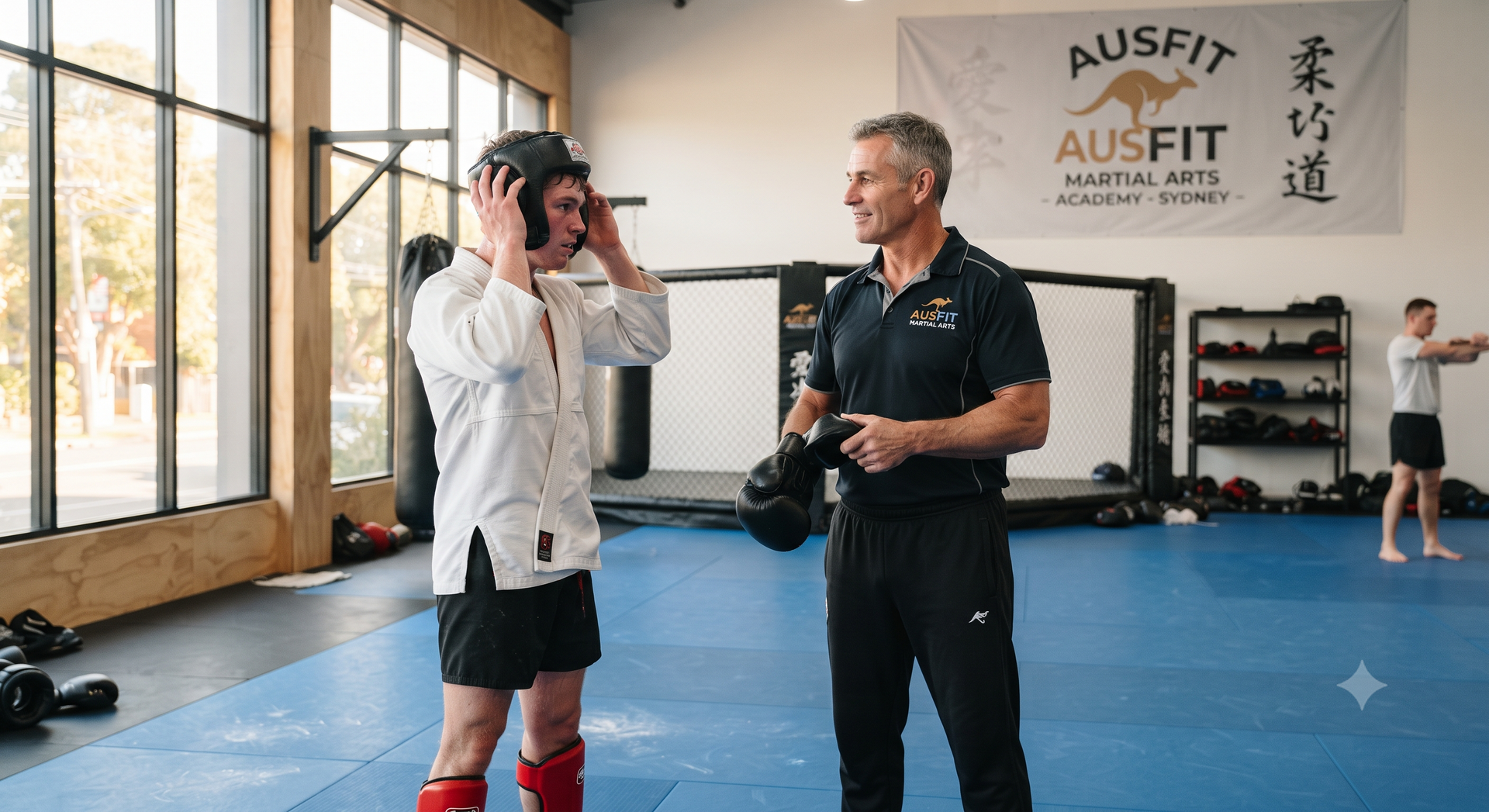
Industry-aligned insurance recognises that fitness professionals provide ongoing guidance, correction, and progression. When policies reflect this reality, instruction-related exposure is more accurately addressed.
Events, Challenges, and Special Activities
Fitness businesses frequently run activities outside routine sessions, such as:
- In-house challenges
- Open days or demonstrations
- Member events or showcases
Standard annual policies may exclude these activities or require separate approval. Identifying these exposures early helps clarify whether extensions or event-specific arrangements are needed, reducing uncertainty.
Claims Assessment and Industry Familiarity
Insurance is ultimately tested when a claim is made. One of the less visible differences between standard and industry-aligned insurance is how claims are assessed.
Insurers familiar with fitness and instructor-led environments are generally more accustomed to:
- Training structures and supervision
- Participant interaction
- Controlled risk activities
While outcomes are never guaranteed, familiarity with the operating environment can reduce friction during the assessment process.
Price Versus Practical Value
Standard fitness insurance often competes heavily on price. While cost matters, it is only one part of the equation.
Lower premiums may reflect:
- Narrower activity scope
- Higher exclusions
- Lower sub-limits
Industry-aligned insurance focuses on practical alignment — ensuring the policy responds in line with how the business actually operates.
When Standard Insurance May Be Appropriate
Standard insurance may be suitable for businesses with:
- Narrow service offerings
- Low-intensity training formats
- Highly controlled environments
As operations expand or diversify, the value of industry-specific structuring becomes more apparent.
Choosing an Insurance Approach That Fits
There is no universal insurance solution. The right approach depends on:
- Activities delivered
- Instruction methods
- Staffing and contractor models
- Growth and scalability plans
The goal is not simply to hold insurance, but to ensure it reflects operational reality.
Final Thoughts
Comparing fitness insurance solely on price or headline inclusions can be misleading. The real difference lies in how closely a policy aligns with day-to-day operations.
Standard insurance may appear sufficient on paper but can struggle to accommodate complex or evolving fitness environments. Industry-aligned arrangements are designed to bridge that gap by prioritising clarity, alignment, and practical understanding.
For fitness business owners, appropriate insurance is less about labels and more about fit.