In the martial arts industry, injuries can occur even in well-supervised, professionally run training environments. Whether it is a minor strain, a fall during drills, or a more serious training-related injury, the physical nature of martial arts means that risk can never be completely eliminated.
One area that is frequently misunderstood by school owners and instructors is the role of personal accident insurance. Many assume that liability insurance alone is sufficient. In reality, personal accident cover serves a very different and highly strategic purpose within a martial arts risk framework.
Below are the most common questions I receive from instructors, dojo owners, and association leaders regarding personal accident insurance.
Q: What is personal accident insurance in a martial arts context?
Personal accident insurance is designed to provide financial benefits to an individual who sustains an injury during insured activities, regardless of fault.
This is a critical distinction.
Unlike liability insurance, which responds when negligence is alleged, personal accident insurance focuses on supporting the injured person directly. In a martial arts setting, this may include injuries sustained during:
- Regular classes
- Sparring sessions
- Gradings
- Seminars and workshops
- Approved training activities
The objective is to provide structured financial assistance without the need to establish legal liability.
Q: How is personal accident insurance different from public liability insurance?
Public liability insurance protects the martial arts school or instructor against third-party claims alleging negligence that resulted in injury or property damage.
Personal accident insurance, on the other hand, is designed to benefit the injured participant themselves.
For example:
- A student suffers a ligament injury during supervised training
- An instructor sustains an injury while demonstrating techniques
- A member experiences an accidental injury during class drills
Even where no negligence is involved, the injured individual may still face medical costs, rehabilitation expenses, or temporary loss of income. Personal accident insurance helps address these financial impacts.
The two forms of insurance are complementary, not interchangeable.
Q: Why should martial arts schools consider offering personal accident cover?
From a professional risk management perspective, personal accident insurance strengthens the overall protection structure of a martial arts organisation.
It demonstrates a proactive duty of care towards:
- Students
- Instructors
- Assistant coaches
- Members participating in structured activities
When individuals know there is a support mechanism in place in the event of injury, it can foster trust and confidence within the training environment.
Additionally, access to defined benefits may reduce the likelihood of disputes escalating into liability claims, as injured parties are supported without needing to pursue legal action to recover costs.
Q: What types of benefits are typically included?
While policy structures vary, personal accident insurance for martial arts participants may include benefits such as:
- Medical expense reimbursement (subject to policy terms)
- Weekly income support for temporary disability
- Lump sum benefits for permanent impairment
- Accidental death benefits
- Rehabilitation support depending on policy design
These benefits are particularly valuable for instructors and full-time coaches who rely on their physical capability to earn an income.
Q: Does personal accident insurance cover routine training injuries?
In many cases, yes — provided the injury occurs during approved and insured activities and falls within policy definitions.
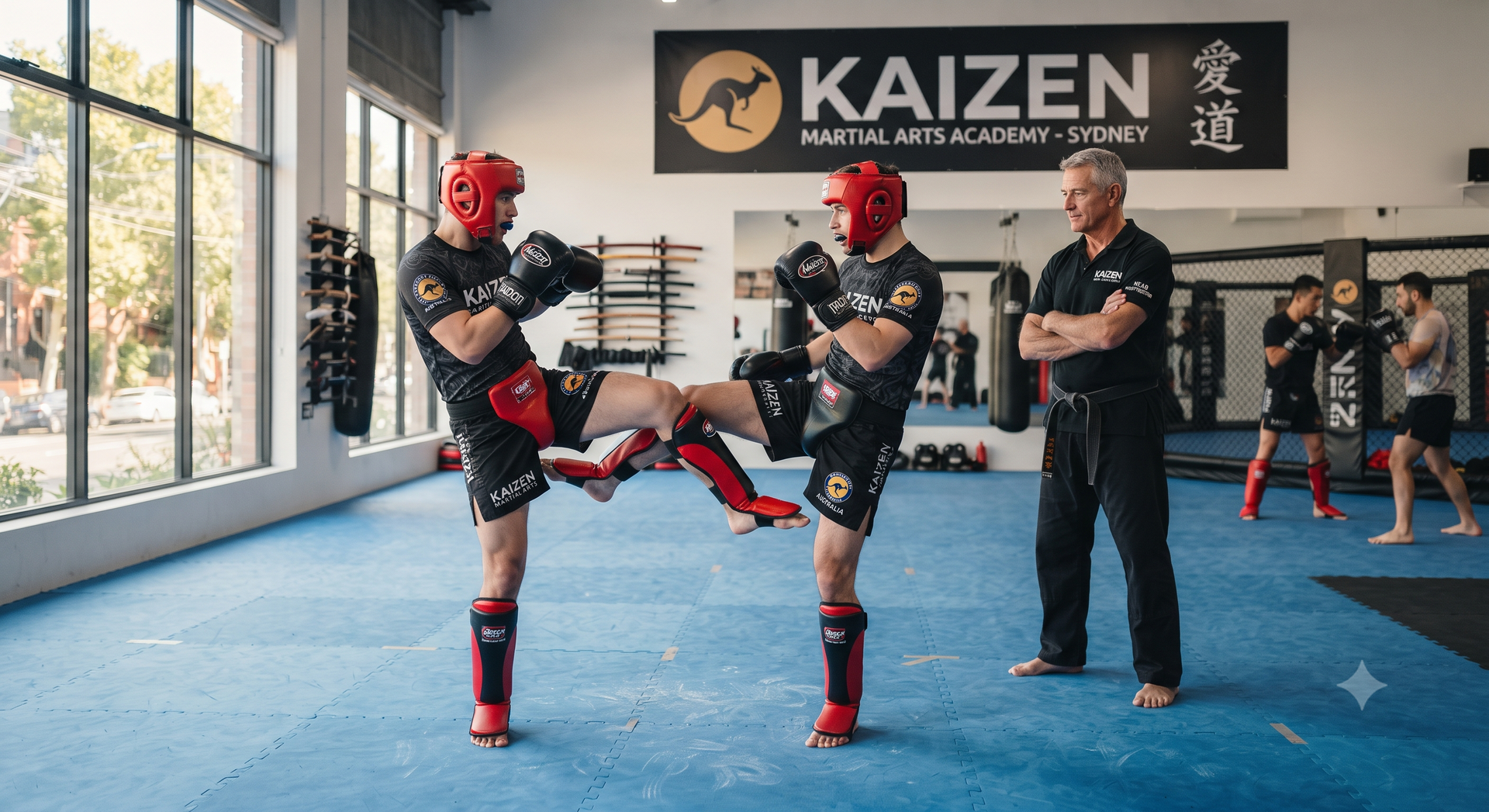
Martial arts training is dynamic. Even in controlled environments with qualified supervision, common injuries such as sprains, strains, or impact-related incidents can occur. Personal accident insurance acknowledges the inherent physical nature of training and provides a structured financial response.
However, it is important that the policy is specifically aligned with martial arts activities and not a generic recreational cover that excludes contact training.
Q: Is this cover more important for instructors than students?
Both groups benefit, but instructors face a unique exposure.
Instructors and professional coaches often demonstrate techniques, supervise multiple students simultaneously, and engage in high-frequency training sessions. An injury to an instructor can result in:
- Loss of teaching income
- Class cancellations
- Operational disruption for the school
Personal accident insurance can provide income replacement benefits during recovery periods, which is particularly important for self-employed instructors or school owners.
For students, the cover offers reassurance that participation in structured training environments includes an additional safety net.
Q: Does having waivers eliminate the need for personal accident insurance?
No.
Waivers are a legal risk management tool designed to inform participants of inherent risks and obtain acknowledgment of those risks. However, waivers do not provide financial assistance to an injured individual.
Even when a waiver is properly executed, an injured participant may still face medical expenses and recovery costs. Personal accident insurance addresses this practical reality.
It supports people — not legal positions.
Q: How does personal accident insurance influence liability exposure?
While it does not replace liability insurance, personal accident cover can play a supportive role in reducing the escalation of disputes.
When injured individuals receive defined benefits quickly and fairly, it may reduce the likelihood of adversarial claims driven purely by financial hardship. This contributes to a more balanced and professional claims environment.
From an organisational standpoint, this aligns with responsible risk management and member welfare.
Q: What should martial arts school owners consider before arranging cover?
School owners should assess:
- The structure of their classes and training intensity
- Whether instructors are employees, contractors, or volunteers
- The frequency of contact training and sparring
- Membership size and participation levels
- Whether existing insurance already includes any personal accident component
It is also important to ensure the policy wording clearly recognises martial arts activities, rather than relying on broad “sports” classifications that may not adequately reflect training realities.
Q: Is personal accident insurance mandatory?
It is not always legally mandatory, but from a professional and ethical standpoint, it is highly advisable within martial arts environments where physical training is central to operations.
Many associations, federations, and structured organisations incorporate personal accident cover as part of their broader insurance framework to support members and instructors consistently.
Final Thoughts
Martial arts training builds resilience, discipline, and physical capability. However, it also involves controlled physical risk that cannot be entirely removed, even with the highest standards of supervision and instruction.
Personal accident insurance should not be viewed as an optional add-on, but rather as a strategic layer of protection that supports the people at the core of the martial arts community — instructors and students.
Public liability protects the organisation.
Professional indemnity protects instructional responsibility.
Personal accident insurance protects the individual.
When these elements are structured together under a specialist insurance framework, martial arts schools are better positioned to operate responsibly, sustainably, and with genuine duty of care.