
Martial Arts Insurance Australia: What Every School Owner Needs to Know in 2026
The Reality of Running a Martial Arts School in 2026

Running a martial arts school today goes far beyond teaching techniques, discipline, and tradition. It now involves operating a structured business within a high-risk, physical environment. Whether you run a karate dojo, Brazilian jiu-jitsu academy, Muay Thai gym, or a mixed martial arts facility, your responsibility extends beyond instruction—it includes safety, compliance, and risk management.
Across Australia, expectations for professionalism in the martial arts and fitness industry have increased. Students, parents, landlords, and even local councils expect schools to operate responsibly, with proper safeguards in place. One of the most critical elements of that structure is having the right insurance coverage.
Why Martial Arts Insurance is Essential
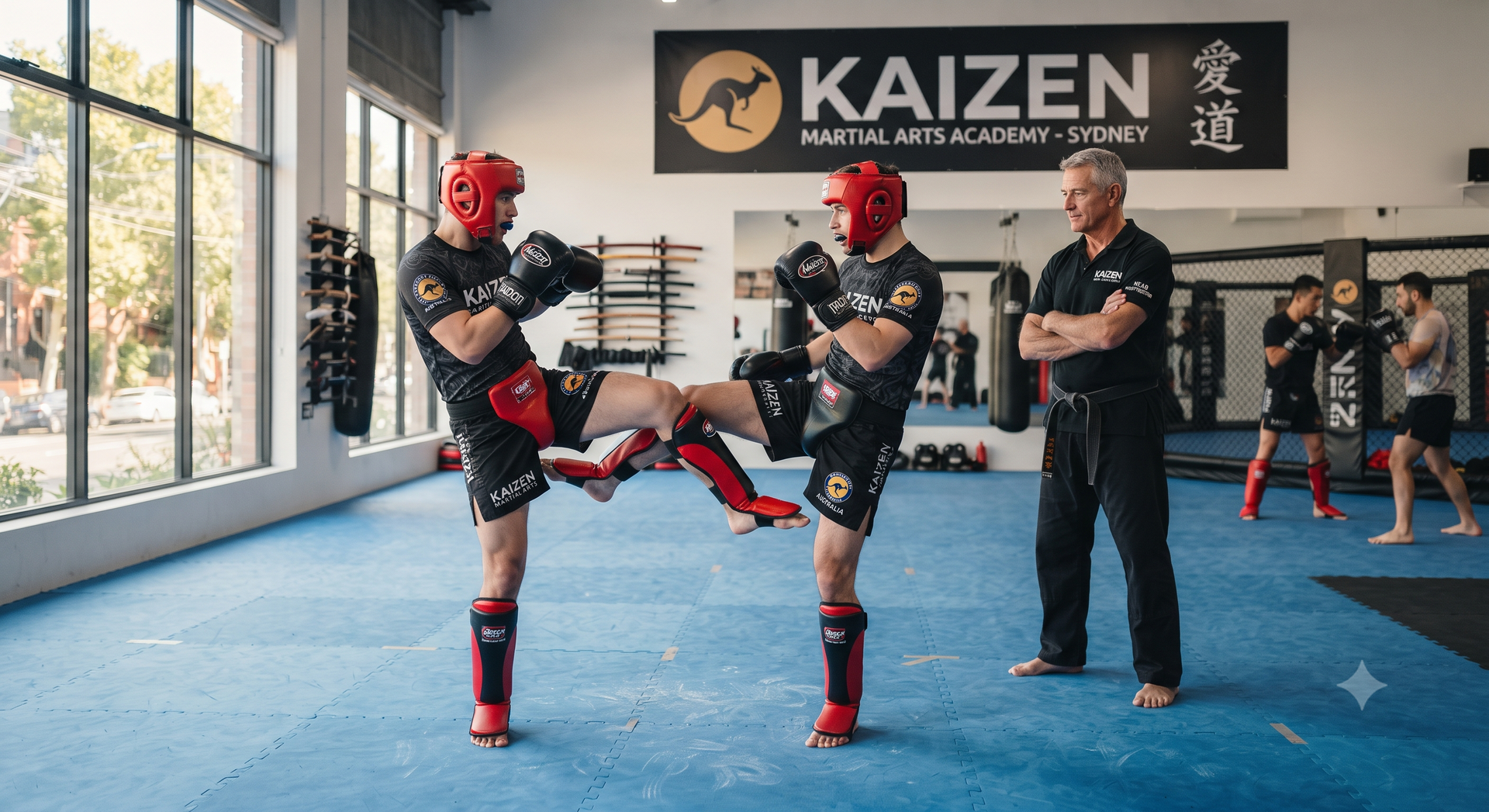
Martial arts is inherently physical. Even with experienced instructors and well-structured classes, there is always a level of risk involved. Sparring sessions, grappling drills, striking exercises, and conditioning routines all carry the potential for injury.
Without proper insurance, a single incident could result in legal claims, financial strain, or even the closure of your school. Insurance is not just a safety measure—it is a core part of maintaining long-term business stability.
Common Risks Faced by Martial Arts Schools
Martial arts schools deal with risks daily, including:
- Student injuries during sparring or drills
- Slips, trips, and falls inside the training area
- Equipment-related accidents
- Allegations of negligence or improper instruction
- Damage to rented facilities
These are not rare scenarios—they are part of the operational reality. The goal is not to eliminate all risk, but to manage it effectively.
Key Types of Insurance Coverage
Public Liability Insurance
This is the foundation of any martial arts insurance setup. It covers claims made by third parties for injury or property damage occurring during your business operations.
For example, if a student is injured during training and claims negligence, public liability insurance can help cover legal and compensation costs.
Professional Indemnity Insurance
This protects instructors against claims related to their professional advice or instruction. In martial arts, training methods and guidance can sometimes be questioned if an injury occurs.
Professional indemnity insurance ensures that instructors are protected against such claims.
Personal Accident Insurance
As an instructor, your ability to earn income depends on your physical condition. If you are injured and unable to teach, personal accident insurance can provide financial support during recovery.
Property and Equipment Insurance
Your mats, pads, gloves, and other equipment are essential to your operations. This type of coverage protects against theft, damage, or loss, helping you avoid costly disruptions.
Legal and Operational Expectations in Australia
While not all insurance policies are legally required, many stakeholders will expect proof of coverage. Landlords often require public liability insurance before leasing space. Event organizers may also require insurance documentation before allowing participation in competitions or demonstrations.
Having proper insurance also strengthens your credibility. It shows that you take responsibility seriously, which builds trust with students and parents.
Choosing the Right Insurance Provider
Not all insurance providers fully understand the nature of martial arts businesses. Generic policies may overlook critical risks specific to combat sports.
Working with a specialist provider ensures that your coverage is tailored to real-world scenarios—such as sparring-related injuries, instructor liability, and structured class environments.
Choosing an industry-specific provider gives you confidence that your policy is designed around how martial arts schools actually operate.
How Much Does Martial Arts Insurance Cost?
The cost of martial arts insurance in Australia varies depending on several factors:
- Number of active students
- Type of martial art taught
- Size of the business
- Coverage limits and inclusions
While pricing differs, insurance is generally affordable compared to the potential cost of an uninsured claim. It should be treated as a necessary business investment, not an optional expense.
Risk Management Beyond Insurance
Insurance is only one part of a strong risk management strategy. Successful martial arts schools also implement:
- Structured safety protocols
- Signed waivers and consent forms
- Regular equipment inspections
- Ongoing instructor training and certification
These measures reduce risk and support a safer training environment for everyone involved.
Final Thoughts
Martial arts schools are built on discipline, structure, and responsibility. Insurance aligns with these values by protecting your students, your instructors, and your business.
In 2026, operating without proper insurance is a risk that no serious school owner should take. With the right coverage in place, you can focus on what truly matters—developing your students and growing your school with confidence.
This content is general information only and does not constitute legal or insurance advice. Coverage requirements vary based on each business’s activities and risk profile, and policy terms and exclusions apply.
For fitness and wellness businesses seeking industry-specific guidance, Martial Arts Australia Insurance Services (MAAIS) provides insurance solutions aligned with real-world instruction and operational practices.