
How Does Insurance Respond to a Sparring Injury Claim?
A General Overview for Martial Arts Schools and Instructors
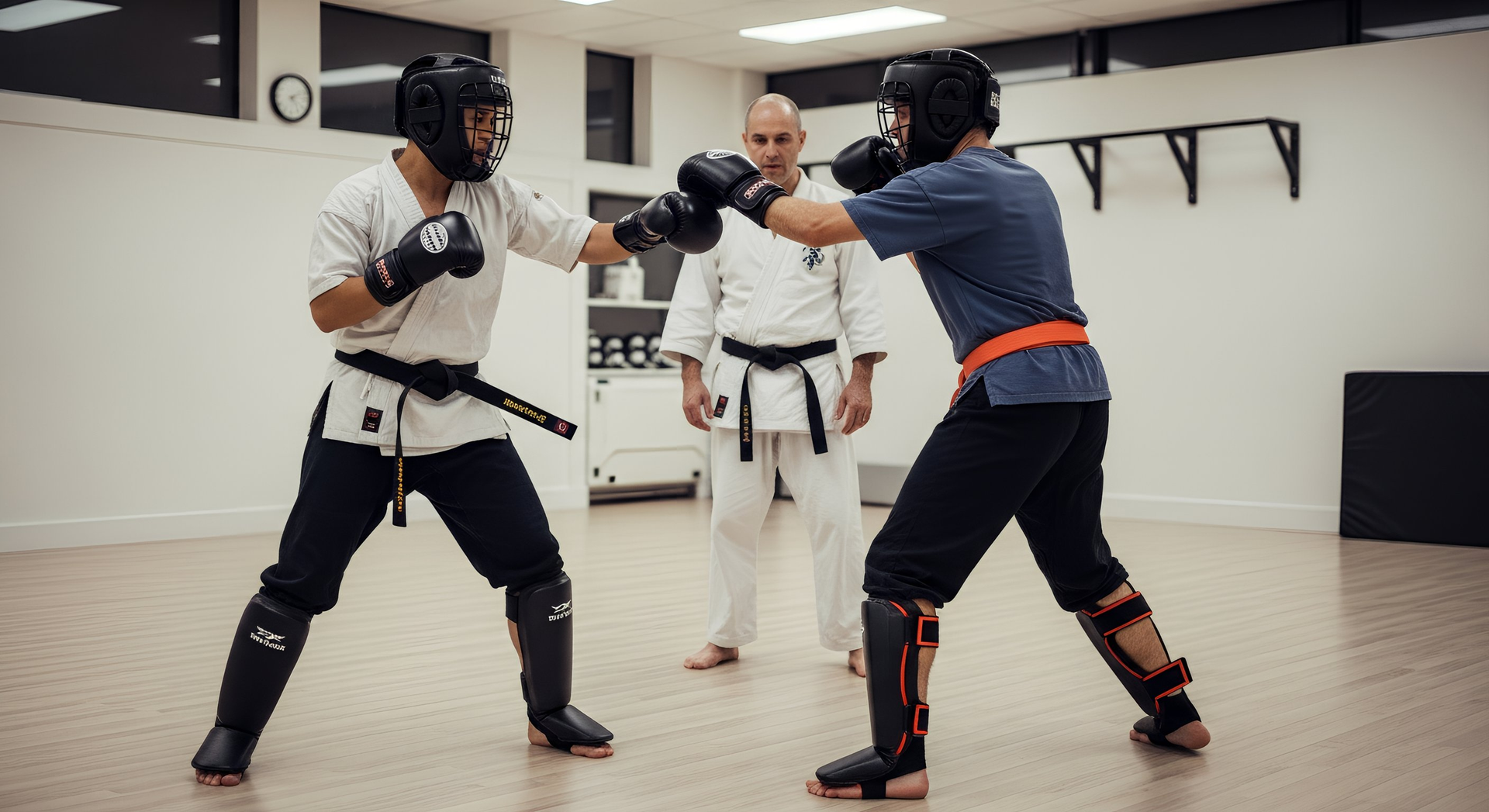
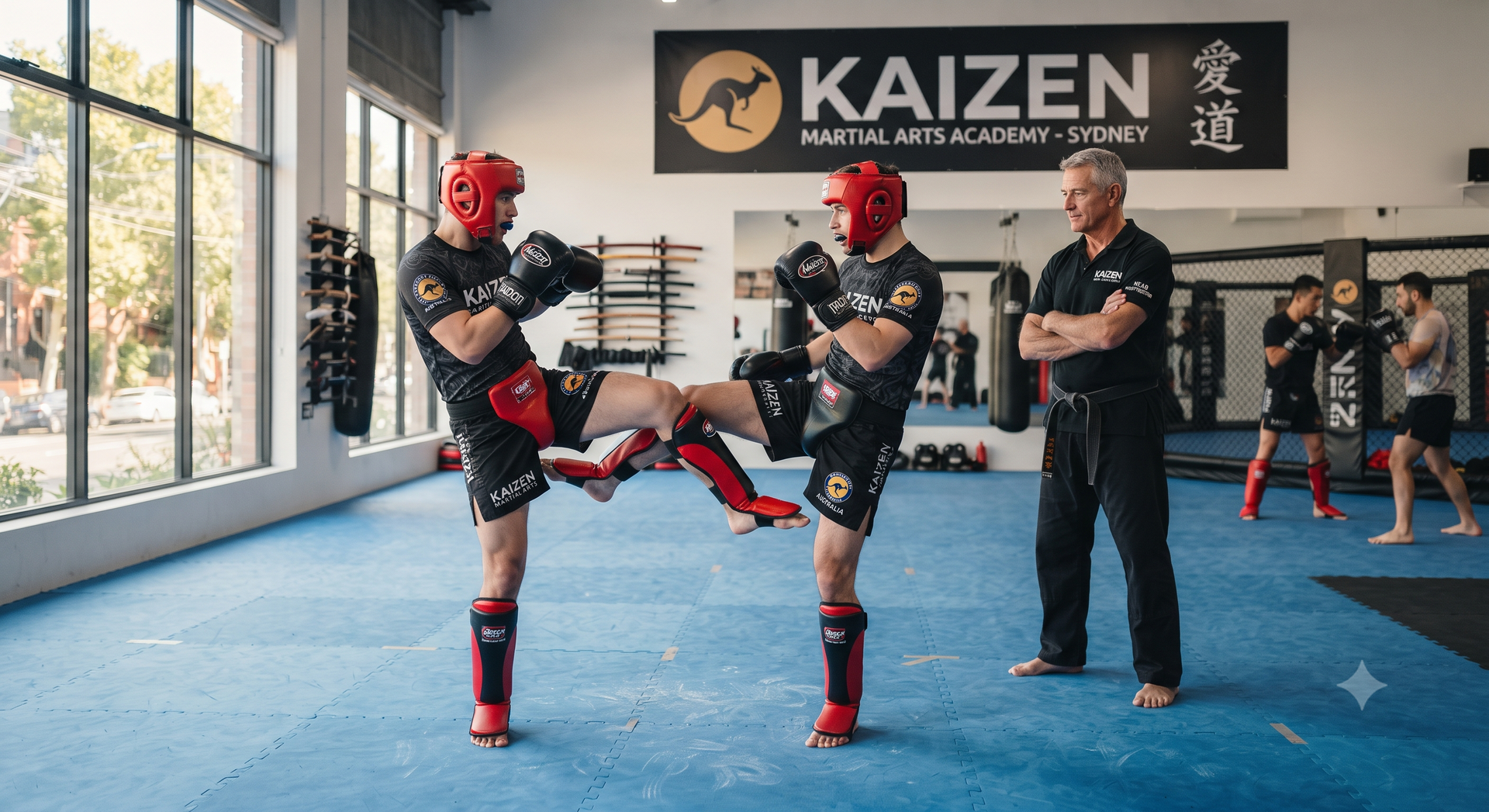
Sparring is a common and often essential component of martial arts training. Whether conducted as light contact, controlled technical sparring, or more intensive preparation for competition, sparring introduces participant interaction that differs from many other forms of physical training.
When an injury occurs during sparring, questions frequently arise about how insurance may respond. These questions are often shaped by assumptions rather than a clear understanding of how insurance policies operate.
This article provides general insurance information to explain, at a high level, how insurance claims connected to sparring injuries are typically assessed. It is intended for educational purposes only and does not provide personal advice or determine claim outcomes.
What Triggers an Insurance Claim
It is important to clarify from the outset that injury alone does not trigger insurance coverage.
Insurance responds to:
- Claims or allegations
- Financial exposure arising from certain insured events
- Circumstances that fall within policy definitions
A sparring injury may or may not result in:
- A claim being made
- A claim being assessed under a policy
- Coverage applying
Each situation is assessed individually, subject to policy terms, conditions, and exclusions.
What Makes Sparring Different From Other Training Activities
Sparring differs from many other training activities because it involves:
- Intentional participant-to-participant interaction
- Timing, reaction, and movement from both parties
- Varying experience levels
- Physical contact as part of the training objective
From an insurance perspective, sparring is not evaluated based on training philosophy or intent. Instead, assessment focuses on:
- How the activity is defined in the policy
- Whether the activity was declared
- Whether any exclusions apply
- The specific circumstances of the incident
Common Questions About Sparring Injury Claims
Does insurance automatically cover injuries that occur during sparring?
No.
Insurance does not automatically apply simply because an injury occurs. Coverage depends on whether:
- Sparring is a declared and defined activity under the policy
- The incident aligns with an insured event
- No relevant exclusions apply
Even when sparring is part of regular training, coverage is not assumed.
Does the intensity of sparring affect how a claim is assessed?
Policies may distinguish between different forms of contact depending on how activities are defined, such as:
- Non-contact training
- Controlled contact sparring
- Full-contact or competition-style activity
The terminology used in policy documentation is more important than how intensity is described informally within a school. Claims are assessed based on policy definitions, not training labels.
Does supervision matter in a sparring-related claim?
Supervision does not determine whether coverage applies, but it may form part of the information reviewed during claim assessment.
Insurers may consider:
- Whether the activity occurred during a supervised class
- Whether the instructor was acting within declared activities
- Whether the incident occurred during scheduled training
Lack of supervision does not automatically exclude coverage, and supervision does not guarantee it.
How Insurers Typically Assess a Sparring Injury Claim
When a claim related to a sparring injury is made, insurers generally review:
- The nature of the activity being performed
- Whether sparring was included in declared activities
- The role of the insured party
- The circumstances of the incident
- Policy conditions and exclusions
Insurers do not assess:
- Whether sparring should have occurred
- Whether the training method was appropriate
- Whether martial arts training is inherently risky
Their focus is alignment between the incident and the policy wording.
The Role of Activity Definitions
Activity definitions are central to how sparring-related claims are assessed.
Policies may:
- Refer broadly to “martial arts training”
- Specify “non-contact training only”
- Distinguish between training and competition
- Exclude certain forms of contact unless declared
If sparring is not clearly included within the scope of insured activities, this may affect how a claim is assessed. This is one of the most common sources of confusion during claim reviews.
Public Liability and Professional Indemnity Considerations
Depending on the circumstances, a sparring injury claim may be considered under different policy sections, such as:
- Public liability, where a participant alleges injury
- Professional indemnity, where instruction or supervision is alleged to be a contributing factor
Whether either section applies depends entirely on the policy wording and the specific details of the claim. The presence of these covers does not imply automatic application to all sparring incidents.
What Insurance Does Not Determine
Insurance does not:
- Decide fault at the time of injury
- Determine training standards
- Eliminate the risks associated with sparring
- Guarantee claim outcomes
Insurance provides a framework for assessing financial exposure where a claim is made and falls within policy terms.
Documentation and Incident Reporting
Documentation may be relevant during claim assessment and can include:
- Incident reports
- Class schedules
- Instructor involvement
- Descriptions of the activity being performed
Documentation does not determine coverage, but unclear or inconsistent records can complicate claim assessment.
Common Misunderstandings About Sparring and Insurance
Some frequent misunderstandings include:
- Assuming sparring is covered because “martial arts” appears on the policy
- Believing controlled sparring is treated the same as all training activities
- Thinking injury severity determines coverage
- Assuming supervision guarantees claim acceptance
Insurance outcomes are based on definitions and circumstances, not assumptions.
Why Industry-Specific Insurance Knowledge Is Often Referenced
Sparring is one area where general insurance products may not align neatly with how martial arts training is delivered in practice. For this reason, discussions often refer to industry-specific insurance knowledge, including understanding:
- How sparring is structured in training environments
- How contact activities are disclosed
- How insurers typically interpret these activities
Some brokers specialise in this space. For example, Martial Arts Australia Insurance Services works with martial arts schools, instructors, gyms, and fitness businesses across Australia, arranging insurance based on declared activities and operating models.
This reference is provided for general awareness only and does not constitute personal advice or a recommendation.
Claims Are Assessed Individually
It is important to reiterate that:
- Not all sparring injuries lead to claims
- Not all claims result in coverage
- Coverage is subject to policy terms, conditions, and exclusions
Each claim is assessed individually based on the available information.
Closing Thoughts
Sparring is a valuable and common part of martial arts training, but it introduces considerations that differ from non-contact or individual activities. When an injury occurs during sparring, insurance response depends on how activities are defined, disclosed, and assessed under the policy.
Insurance does not remove risk from sparring or guarantee outcomes. It provides financial protection for certain insured events, subject to policy terms and conditions. Understanding these distinctions supports realistic expectations and informed awareness for martial arts schools and instructors.