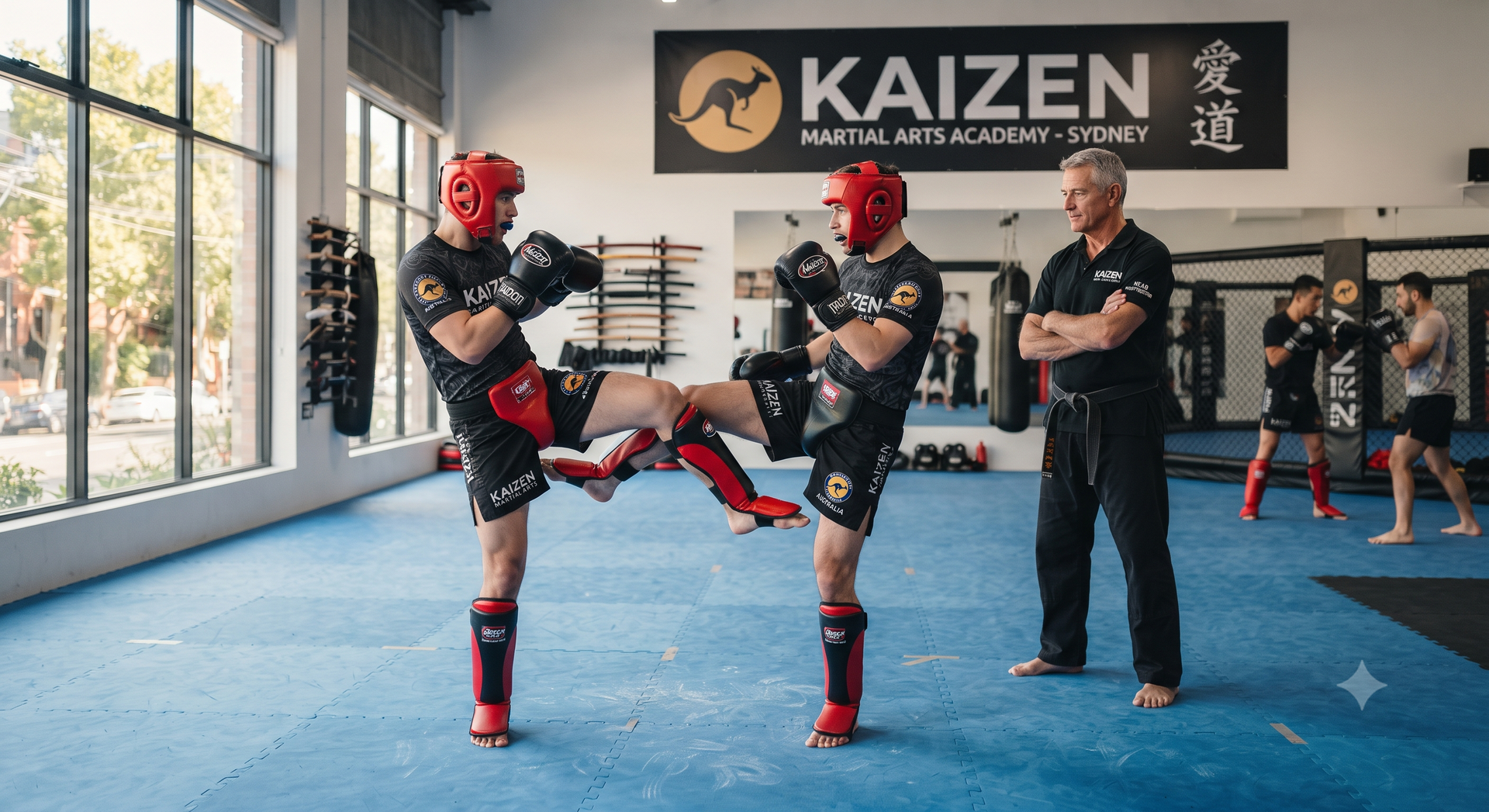

Grading Events, Seminars, and In-Dojo Functions: Are Your Martial Arts Events Properly Insured?
Why Your Regular Policy May Not Automatically Cover Your Next Event
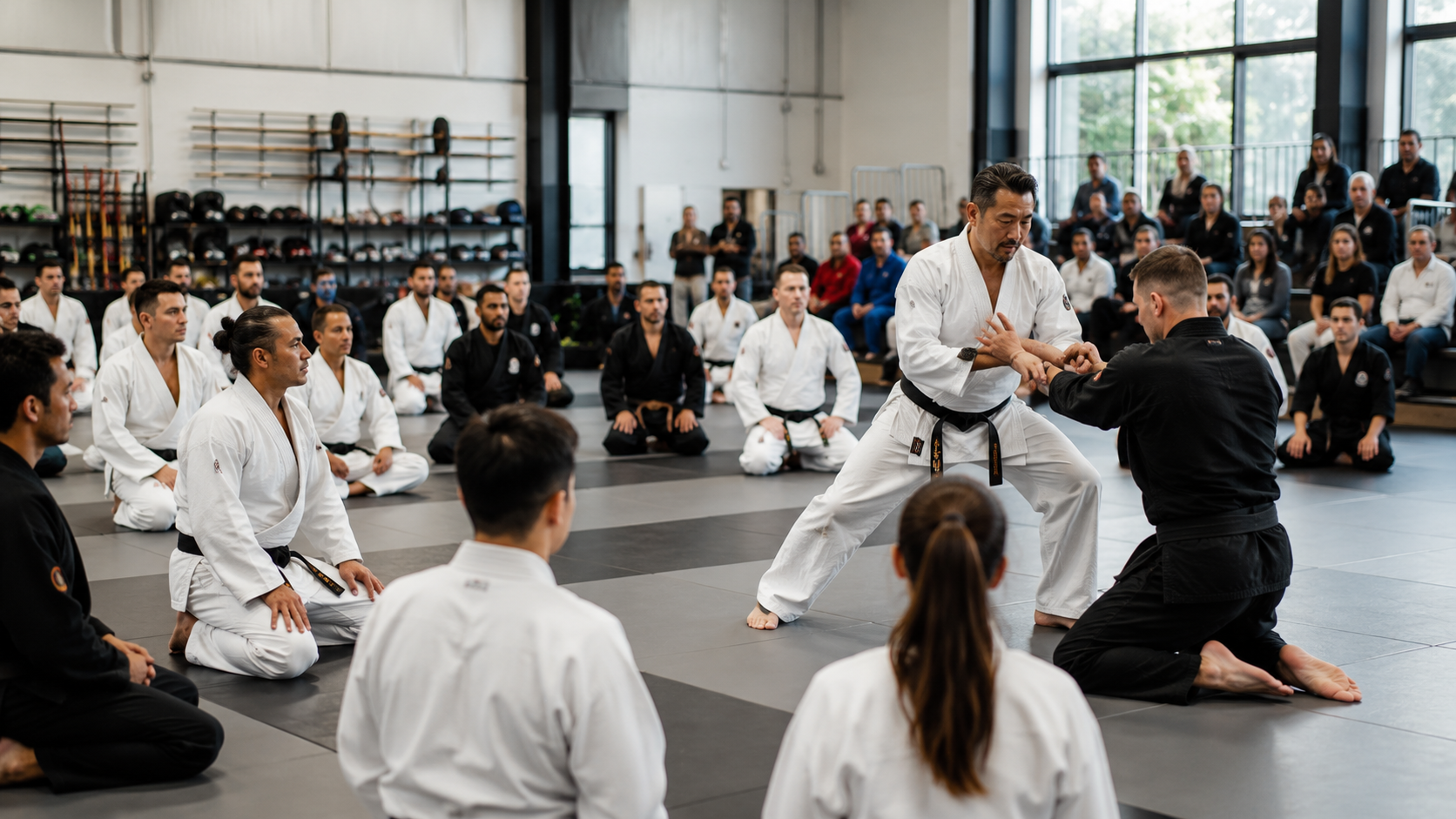
Running a martial arts school means more than delivering weekly classes. It means hosting grading days, organising seminars with visiting instructors, running open days for prospective students, and occasionally putting on demonstrations and exhibitions for the broader community. These events are essential to the life and growth of your school — but each one also represents a moment when your usual insurance arrangements may need specific attention.
At MAA Insurance Services, we regularly speak with school operators who are surprised to learn that their standard Public Liability policy may not automatically extend to every event they run. The structure of your cover matters, and understanding which activities fall within your policy's scope — and which might sit outside it — is genuinely important before you send out your next event invitation.
This article covers the key insurance considerations for events hosted by martial arts schools and clubs, from internal grading days through to public-facing seminars and community demonstrations.
Your Standard Policy and What It Covers
A standard martial arts school Public Liability policy is typically structured around your regular, ongoing operations: weekly classes, training sessions, and the day-to-day activities of running a school. The policy is rated — that is, the premium is calculated — based on the size of your student body, the nature of the disciplines taught, and the risk profile of your regular activities.
What this means in practice is that one-off events, particularly those that differ from your regular operations in meaningful ways, may or may not fall within the scope of that policy. The key variables are: how many people will attend, whether attendees are your regular students or members of the public who are not part of your school, what activities will be conducted during the event, and whether the event is held at your usual premises or at a different location.
When all of these variables are consistent with your regular operations — for example, a grading held at your usual venue with your existing students participating in their regular training activities — the event is likely captured within your existing cover. But when any of these factors change significantly, it is worth confirming with your broker before the event proceeds.
Grading Days: What Makes Them Different
Grading days are a fundamental part of the martial arts calendar. They are structured assessment events where students demonstrate their competency in a range of techniques, kata, forms, or sparring activities in order to progress to the next level of their training.
From an insurance perspective, grading days share many characteristics with regular classes — but there are some important differences worth being aware of.
Elevated intensity. Students at grading events are often performing at or near the limits of their current capability, which can increase the injury risk compared to a standard training session. In many disciplines, grading also involves performing techniques under observation and under pressure, which can affect execution quality.
Visitors and family members. Grading days frequently attract an audience: parents, family members, friends, and occasionally prospective students or visitors from other schools. When members of the public are present at your premises — even as spectators — your Public Liability cover needs to respond to injuries they might sustain, not just those of your students.
Guest assessors. Many gradings involve senior practitioners or assessors from outside your school — interstate or international visitors, masters, or governing body representatives. If these individuals are participating in any instructional or assessment capacity at your premises, it is worth confirming how your policy treats their involvement.
Multi-venue gradings. Association-level or regional gradings sometimes take place at neutral venues — community halls, school facilities, or sports centres — rather than at any individual instructor's premises. If your students are attending a grading at a location you don't normally operate from, the insurance arrangements for that event may need to be considered separately from your school policy.
In most cases, well-structured school policies do accommodate standard grading events. The key is to be aware of the variables above and to confirm with your broker if any of them apply.
Seminars With Visiting Instructors
Bringing in a visiting instructor — a senior practitioner, an international master, or a specialist in a related discipline — is one of the highlights of the martial arts year. It is also a scenario with some specific insurance considerations that are easy to overlook in the excitement of organising the visit.
Who is liable if someone is injured? When a visiting instructor delivers a session at your premises, the question of who bears responsibility for injury to a participant is not always straightforward. As the host, you maintain a duty of care as the occupier of the premises. The visiting instructor also has professional responsibilities as the person delivering the instruction. Depending on the circumstances, a claim could potentially be directed at either or both of you.
This is why it is important that visiting instructors carry their own Civil Liability / Professional Indemnity cover. When you invite a practitioner to teach at your school, you should ask to see evidence of their current insurance before the session proceeds. If they cannot produce it, you are exposed to risk that your own policy may not be designed to cover.
Public access seminars. If your seminar is open to the public — not just your existing students but anyone who registers or walks in — the participant profile is broader and potentially more unpredictable. Public seminars involving physical contact, technique practice, or sparring create a specific liability exposure that your standard school policy may not automatically address. Discuss this with your broker in advance.
Seminar venues. If the seminar is held at a venue other than your usual premises — a hired hall, a community centre, a university gymnasium — confirm that your cover extends to activities at that location. Some policies are premises-specific.
Open Days and Demonstration Events
Open days — where prospective students come in to try a class, watch a demonstration, or learn more about your school — are excellent marketing tools and a genuine service to the community. But they also involve people who are not your regular students, who may have no martial arts experience, and who may be invited to participate in physical activities without a formal enrolment or membership arrangement.
If an adult or child tries a technique during an open day session and is injured, your Public Liability policy needs to respond to that scenario. In most cases it will — but make sure that your policy doesn't contain language that restricts cover to enrolled students or registered members only.
Participant waivers are particularly important for open day events. Even though a waiver does not eliminate your liability, it demonstrates informed consent, reduces the likelihood of speculative claims, and is an important component of your overall risk management framework. We can discuss appropriate waiver language with our clients.
Demonstrations at external events. Some schools participate in community fairs, cultural festivals, school expos, or other public events where they deliver martial arts demonstrations to a general audience. If your students are performing demonstrations in a public space — particularly demonstrations involving throws, weapons, or contact — confirm with your broker that this type of activity is covered. External demonstration events may require a separate event liability extension or notification to your insurer.
Fight Shows and Tournament Events: A Different Scale of Risk
If your association or school promotes combat sports events — fight nights, open tournaments, grading exhibitions with a competitive component — the insurance requirements move into a distinct category.
Event Public Liability for fight shows and martial arts tournaments involves a much larger participant and spectator base than a regular school event, and the nature of the activity — full-contact competition — carries a substantially higher injury risk profile. Insurers treat these events differently from ongoing school operations, and they typically require a separate event insurance arrangement rather than relying on a school's standard policy.
We have specific experience in arranging cover for combat sports events and martial arts tournaments. The key information we need includes: the anticipated number of participants and spectators, the disciplines and competition formats involved, the venue and its capacity, any sanctioning body requirements, and whether medical personnel will be present at the event.
If you are planning a fight show or tournament and you haven't yet spoken to us about event cover, please do so well in advance of the event date. Last-minute event insurance arrangements are possible but can be more complex than those organised with adequate lead time.
Cancellation Cover for Events
One aspect of event insurance that is often overlooked until it is too late is event cancellation cover. If your grading, seminar, or tournament is cancelled, postponed, or significantly disrupted due to circumstances outside your control — severe weather, venue unavailability, the sudden illness of a key participant, or other unforeseen events — you may be facing non-refundable costs that represent a significant financial loss.
Event cancellation cover reimburses you for those costs, up to the policy limit, when the event is cancelled for a covered reason. For larger events with significant pre-committed costs — venue hire, travel arrangements for visiting instructors, catering, printing, and equipment — this cover can represent meaningful financial protection.
It is worth noting that cancellation cover needs to be in place before the event is at risk of cancellation — not after the issue that causes the cancellation has already arisen. If you're running a major event, arrange your cancellation cover at the same time you are making your other event commitments.
Practical Checklist for Event Insurance
Before your next school event, work through these questions with your broker or policy documents:
Does your standard policy cover the event, or does it require a separate arrangement or notification to the insurer? Who will be attending — existing students only, or members of the public? Is the event at your usual venue, or at a different location? Are there visiting instructors, and do they carry their own cover? Have participant waivers been prepared and collected? Is the activity level at the event consistent with your regular operations, or more intensive? What is the estimated number of attendees? Is cancellation cover appropriate given the costs committed to the event?
If any of these questions raise uncertainty, contact us before the event rather than after.
How We Support Events
We support our clients not just with their ongoing school and gym cover but with the events that make the martial arts community what it is. Whether you are running a small internal grading, a public-facing seminar with an international guest instructor, or a full-scale combat sports tournament, we can help you understand your insurance position and arrange appropriate cover.
We also support promoters and associations who run regular events, providing event liability cover that reflects the actual scale and risk profile of what they are delivering.
Visit maainsuranceservices.com.au or call our office to discuss your upcoming event and how best to ensure it is properly covered.
This article contains general information only and does not take into account your individual circumstances, objectives, or needs. Please review the relevant Product Disclosure Statement and speak with a qualified adviser before making any insurance decision.